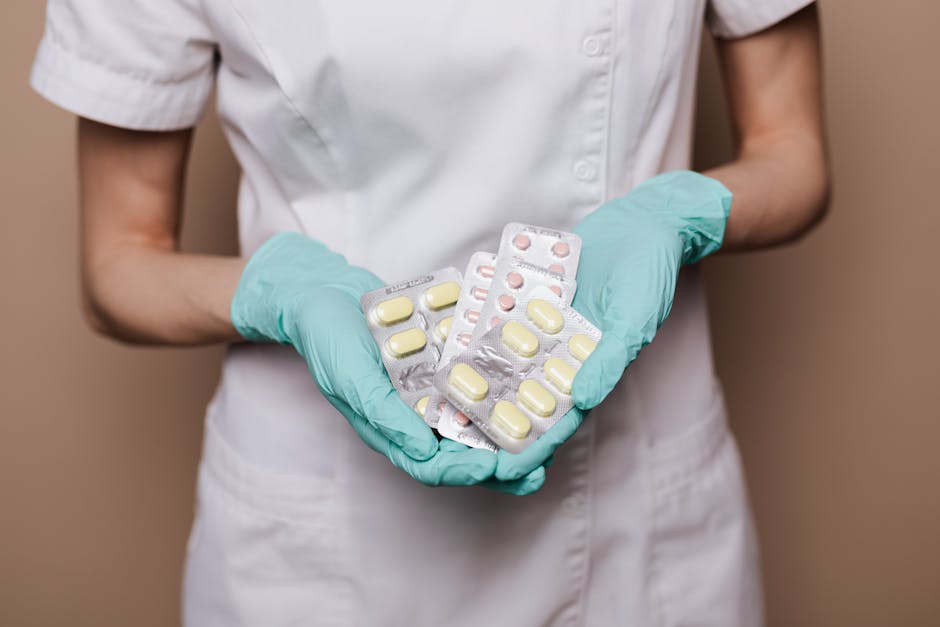
- Artificial intelligence, immunotherapy, and synthetic biology are being used to tackle antibiotic resistance.
- New treatments are entering clinical pipelines and reshaping how infections are prevented, diagnosed, and treated.
- Antibiotic resistance is responsible for over 1.2 million deaths annually worldwide.
- A post-antibiotic reality is looming, with rising resistance to last-resort drugs.
- The overuse of antibiotics in humans and livestock has accelerated the evolution of resistant bacteria.
Every 45 seconds, someone dies from an infection that no longer responds to antibiotics. Antimicrobial resistance (AMR) is now responsible for over 1.2 million deaths annually worldwide—more than malaria or HIV/AIDS—and could claim 10 million lives per year by 2050 if left unchecked, according to a 2022 report by the World Health Organization. But 2026 has brought unprecedented momentum in the fight against superbugs. Scientists are deploying artificial intelligence, immunotherapy, and synthetic biology to outmaneuver resistant pathogens. These advances are not just laboratory curiosities—they are entering clinical pipelines and reshaping how we prevent, diagnose, and treat infections once deemed untreatable.
The Urgency of a Post-Antibiotic Era

For decades, antibiotics have been the cornerstone of modern medicine, enabling surgeries, chemotherapy, and organ transplants by preventing life-threatening infections. But their overuse in humans and livestock has accelerated the evolution of resistant bacteria. Traditional drug discovery has stalled; only a handful of new antibiotics have reached the market in the past 20 years, and most are variations of existing classes. This innovation gap has left clinicians with dwindling options. Now, rising resistance to last-resort drugs like carbapenems and colistin signals a dangerous shift toward a post-antibiotic reality. The economic toll is staggering: AMR could cost the global economy $100 trillion by 2050, per the O’Neill Review. With public health systems under strain, the need for transformative solutions has never been more urgent.
AI Unlocks Novel Antibiotic Candidates

In a landmark study published in Nature in May 2026, researchers at MIT and Harvard used deep learning models to screen over 100 million chemical compounds in silico, identifying six potent new antibiotic candidates capable of killing methicillin-resistant Staphylococcus aureus (MRSA) and multidrug-resistant Acinetobacter baumannii. One compound, named halicin2.0, was originally flagged by an AI trained on bacterial growth inhibition data and later optimized using generative chemistry models. Unlike traditional antibiotics, halicin2.0 disrupts bacterial membrane potential without harming human cells. The team also developed a second AI system, AMR-Predict, which forecasts resistance evolution, allowing researchers to pre-emptively modify drug structures. This dual approach—discovery and resistance forecasting—marks a paradigm shift from reactive to anticipatory drug development.
Immunotherapy Joins the AMR Arsenal

Beyond new drugs, scientists are turning to the human immune system for solutions. In early 2026, a Phase II clinical trial at the University of California, San Diego tested a monoclonal antibody therapy targeting Pseudomonas aeruginosa, a common cause of hospital-acquired pneumonia in ventilated patients. The antibody, PAb-206, neutralizes a key virulence factor that allows the bacteria to evade immune detection. Results showed a 40% reduction in mortality among treated patients compared to standard care. Meanwhile, researchers at the Karolinska Institute are pioneering a vaccine-like approach using trained immunity: short-term epigenetic reprogramming of innate immune cells to enhance their response to resistant pathogens. These immunotherapies don’t kill bacteria directly but empower the body to do so—offering a sustainable alternative to traditional antibiotics.
Global Surveillance and Phage Therapy Resurgence

Understanding resistance patterns in real time is critical. The Global Antimicrobial Resistance Observatory (GARO), launched in 2025 by WHO and the Wellcome Trust, now integrates genomic data from 80 countries, enabling rapid detection of emerging resistance genes. In parallel, bacteriophage therapy—using viruses that infect bacteria—is gaining regulatory traction. In France and Belgium, compassionate-use programs have expanded, treating over 200 patients with multidrug-resistant infections using personalized phage cocktails. In April 2026, the U.S. FDA granted breakthrough therapy designation to Phagex Bio’s inhalable phage formulation for cystic fibrosis patients with chronic Staphylococcus lung infections. These developments reflect a broader shift toward precision antimicrobial strategies tailored to individual pathogens and patients.
Expert Perspectives
“AI is not replacing microbiologists—it’s giving us a telescope to see what was previously invisible,” says Dr. Elena Rodriguez, infectious disease specialist at Imperial College London. Others urge caution: “Immunotherapies and phages are promising, but scalability and regulatory hurdles remain,” warns Dr. Kenji Tanaka of the National Institute of Infectious Diseases in Japan. While Western nations invest in high-tech solutions, experts stress that access and equity must not be overlooked. “The next halicin must reach a farmer in rural India as fast as it does a patient in Boston,” adds Dr. Amina Jallow, co-chair of the African AMR Network.
Looking ahead, the convergence of AI, genomics, and immunology could redefine infectious disease management. Key questions remain: Can these therapies be manufactured affordably? Will regulatory agencies adapt to fast-track novel modalities? And can global cooperation prevent AMR from becoming a two-tier crisis? With new funding from the Pandemic Fund and increased G7 commitments, the pipeline is no longer dry. The challenge now is ensuring these breakthroughs translate into real-world impact—before the clock runs out.
Source: Nature