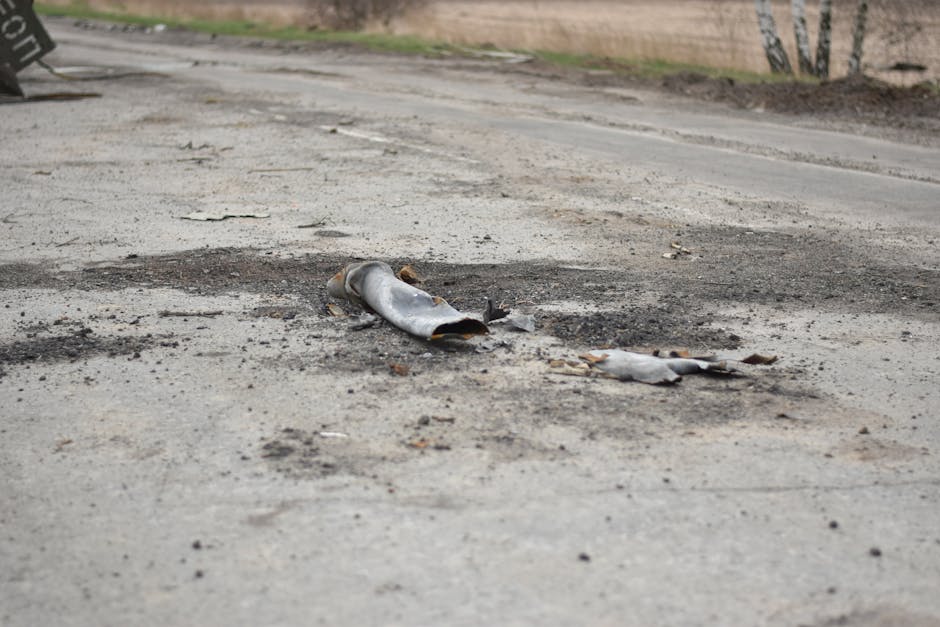
- A devastating airstrike on the Al-Ismailiyah Community Kitchen in Gaza’s Al-Bureij refugee camp killed three cooks and injured others.
- The strike was confirmed by the Israeli Defense Forces (IDF), who claimed it targeted a location used by Hamas operatives for logistical coordination.
- Local witnesses dispute the IDF’s account, asserting that the kitchen operated openly with no military presence.
- The Al-Ismailiyah Community Kitchen had been providing over 1,500 meals daily to orphans, elders, and displaced families.
- The strike has sparked outrage, with humanitarian workers and residents condemning the targeting of civilian infrastructure.
In the dim light of early dawn, the scent of lentils and rice once filled the narrow alleyways of Al-Bureij refugee camp, a fleeting reminder of normalcy amid the rubble. Families displaced by weeks of bombardment lined up each morning for a hot meal at the Al-Ismailiyah Community Kitchen—a modest cinderblock structure that had become a lifeline in a territory starved of food and hope. But on a recent morning, that fragile rhythm was shattered when a deafening explosion ripped through the building. Smoke curled into the ashen sky as rescuers scrambled through the debris, pulling out the lifeless bodies of three cooks and carrying the wounded on makeshift stretchers. The kitchen, which had served more than 1,500 meals daily to orphans, elders, and displaced families, was reduced to twisted metal and dust.
Strike on Civilian Infrastructure Sparks Outrage

The Israeli Defense Forces (IDF) confirmed the airstrike, stating it targeted a location used by Hamas operatives for logistical coordination. According to an IDF statement, intelligence indicated that the kitchen’s upper floor was being used to store weapons and house operatives planning attacks. They claimed the strike was a precision operation aimed at minimizing civilian harm. However, local medics, humanitarian workers, and residents dispute this account, asserting that the kitchen operated openly with no military presence. The United Nations Relief and Works Agency (UNRWA), which had previously inspected the site, confirmed the kitchen was part of its emergency food distribution network and condemned the attack as a violation of international humanitarian law. At least three people were killed, including two brothers and a cousin who had managed the kitchen since the war began, and several others were injured, some critically.
Escalation Amid a Deepening Humanitarian Crisis

The bombing did not occur in isolation but within a broader context of sustained military operations across Gaza that have devastated civilian infrastructure. Since October 2023, Israel has conducted thousands of airstrikes in response to the Hamas-led attacks that killed approximately 1,200 people in southern Israel. In Gaza, Palestinian health authorities report over 25,000 people killed, the majority women and children. Civilian facilities—including hospitals, schools, and aid centers—have been repeatedly struck, with humanitarian access severely restricted by Israeli blockades. The UN and multiple human rights organizations, including Reuters and Amnesty International, have raised alarms about potential war crimes. The destruction of the Al-Ismailiyah kitchen exemplifies a pattern in which vital support systems for survival—food, water, medical care—are systematically undermined, deepening a crisis that aid groups say is unprecedented in scale.
Humanitarian Workers Caught in Crossfire

The three men killed—Ahmed Al-Najjar, 42, his brother Mahmoud, 38, and their cousin Karim Abu al-Haija, 35—were not fighters but local volunteers who had transformed their culinary skills into acts of resistance through sustenance. Neighbors describe them as fixtures in the community, often working 18-hour days to ensure meals reached the most vulnerable. Ahmed, a former bakery owner whose shop was destroyed in an earlier strike, told a local journalist weeks before his death, “We’re not feeding bodies only—we’re feeding dignity.” Their deaths have galvanized grief and anger across Gaza, with vigils held in refugee camps and calls for international accountability. Humanitarian workers, already operating under extreme duress, now face even greater peril. According to the International Committee of the Red Cross, more than 200 aid personnel have been killed since October—a staggering toll that threatens to collapse the already strained relief network.
Legal and Moral Repercussions Mount

The strike has intensified scrutiny on Israel’s adherence to the laws of war, particularly the principles of distinction and proportionality. Under the Geneva Conventions, attacks on civilian objects are prohibited, and even dual-use facilities must meet strict criteria before being deemed legitimate military targets. Legal experts point out that without clear, verifiable evidence of militant activity, destroying a functioning kitchen serving thousands may constitute a war crime. The incident is now under review by UN investigators compiling evidence for potential cases at the International Criminal Court. For Palestinian families already teetering on the edge of starvation, the loss of such a critical food source could have ripple effects for months. With fuel and flour supplies nearly exhausted, alternative kitchens are struggling to absorb the demand, and malnutrition rates—especially among children—are spiking.
The Bigger Picture
This attack is not merely a tragic episode but a symptom of a deeper erosion of the norms designed to protect civilians in war. When humanitarian infrastructure becomes a target—whether directly or through contested intelligence—the threshold for acceptable violence shifts dangerously. The consequences extend beyond Gaza, undermining global mechanisms meant to prevent atrocities. History shows that the normalization of such strikes often precedes wider humanitarian collapse, as seen in Syria and Yemen. The international community’s response—or lack thereof—will signal whether accountability still holds weight in modern conflict.
As investigators sift through the rubble and families bury their dead, questions linger: How many more kitchens, hospitals, and shelters will be erased in the name of security? And when the last meal is served, what remains of humanity’s claim to decency? The path forward demands more than condemnation—it requires leverage, justice, and a recommitment to the inviolability of civilian life, even in the fog of war.
Source: Al Jazeera