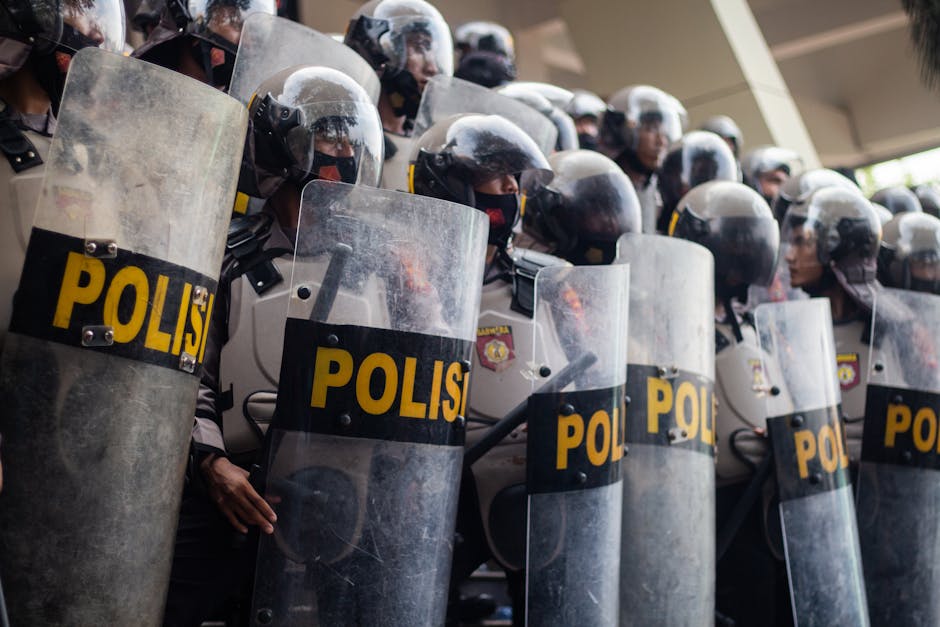
- Fan violence at Celtic Park marred Celtic’s Scottish Premiership title win, sparking debate over fan behavior and stadium security.
- Hearts players and staff faced verbal abuse and objects were thrown as they left the field, prompting a strong response from the club.
- The incident has reignited concerns over the long-term health of Scotland’s top-tier football league.
- Assistant manager Austin MacPhee received medical attention after being struck by debris thrown from the stands.
- Police Scotland and the Scottish Football Association have been contacted to investigate the incident.
Just minutes after Celtic’s last-gasp 2-1 victory over Hearts sealed their 10th Scottish Premiership title in 11 seasons, scenes of chaos unfolded both on and off the pitch at Celtic Park. Hearts players and staff were subjected to sustained verbal abuse and objects were reportedly thrown as they attempted to leave the field, prompting the club to issue a damning public statement. The Edinburgh-based team confirmed it has contacted Police Scotland and the Scottish Football Association (SFA), describing the conduct as “shameful,” “disgraceful,” and a direct threat to the safety of athletes and support personnel. This disturbing end to what had been a tightly contested final day has reignited debate over fan behavior, stadium security, and the long-term health of Scotland’s top-tier football league.
Final Day Drama Turns to Discord

The 2025-26 Scottish Premiership season reached its climax in heart-stopping fashion when Kyogo Furuhashi scored in the 89th minute to hand Celtic a dramatic win over Hearts, overturning a 1-0 deficit and snatching the title by a single point from rivals Rangers. What should have been a moment of sporting triumph quickly descended into controversy. As Hearts players, visibly distraught, made their way toward the tunnel, a section of home supporters hurled insults, plastic bottles, and other debris onto the pitch. Assistant manager Austin MacPhee required brief medical attention after being struck. The club’s statement emphasized that such behavior undermines the values of fair play and respect that are foundational to football. With the outcome of the title race hanging in the balance until the final whistle, tensions were high—but Hearts insisted that no result justifies endangering individuals.
Club Takes Immediate Action

In the 24 hours following the match, Hearts leadership moved swiftly to escalate the matter. Chief Executive Ann Budge released a formal statement confirming the club had filed incident reports with both Police Scotland and the SFA. “The abuse directed at our players, coaches, and backroom staff was not only unacceptable but deeply disturbing,” she said. “These individuals represent our city with pride and professionalism, and they deserve protection, not vitriol.” The club has also launched an internal review of security protocols in collaboration with league officials. A delegation from Hearts is expected to meet with the Scottish Professional Football League (SPFL) next week to demand concrete measures, including enhanced CCTV coverage, stricter stadium bans, and improved stewarding at high-stakes fixtures. The team has urged fans to come forward with any video or photographic evidence to aid investigations.
Roots of Fan Extremism in Scottish Football

While isolated incidents of fan misconduct are not new to Scottish football, the intensity and visibility of this episode have sparked renewed concern among analysts and governing bodies. According to a 2024 report by the BBC Sport, there has been a 34% increase in reported fan-related offenses at Premiership matches over the past three seasons, with derbies and title-deciding fixtures most at risk. Experts point to a combination of tribal loyalty, social media amplification, and inadequate deterrents as contributing factors. “When identity becomes fused with football allegiance, losing can feel existential,” said Dr. Ewan Murray, a sports sociologist at the University of Glasgow. “Without stronger institutional responses, we risk normalizing violence as part of the spectacle.” The SFA has faced criticism for inconsistent disciplinary actions, with past sanctions often perceived as lenient.
Broader Implications for Player Welfare

The targeting of Hearts’ personnel raises urgent questions about player safety and mental health in professional football. Athletes are increasingly vocal about the psychological toll of abuse, both online and in stadiums. Hearts captain Craig Gordon, who played his final professional match in the loss, spoke candidly about the aftermath: “To have your career end like that, with hatred instead of respect, leaves a mark.” The incident could accelerate calls for mandatory mental health support and expanded player protection policies across the SPFL. Additionally, clubs may reassess travel and exit procedures for away matches, particularly in high-tension environments. If left unaddressed, such episodes could deter young talent from entering the league and damage commercial partnerships, as sponsors increasingly prioritize brand safety and social responsibility.
Expert Perspectives
Opinions are divided on how best to respond. While most agree the abuse must be condemned, some caution against over-policing fan culture. “We need proportionate consequences, not blanket crackdowns that alienate loyal supporters,” argued Isla MacGregor, a sports policy analyst at STV. Others, like former referee Steve Dunn, believe tougher sanctions are overdue: “Stadium bans, stadium closures, financial penalties—until clubs feel the pain, nothing changes.” The SFA has announced it will review all available footage and consult with both clubs before deciding on disciplinary steps, but no timeline has been provided.
As the fallout continues, all eyes are on how Scottish football’s governing bodies will respond. Will this incident serve as a catalyst for systemic reform, or will it fade into a pattern of unheeded warnings? With player safety and the sport’s reputation at stake, the coming weeks could define the future of fan engagement in Scotland. The outcome may set a precedent not just for Hearts and Celtic, but for the entire league’s approach to accountability and respect.
Source: The Guardian