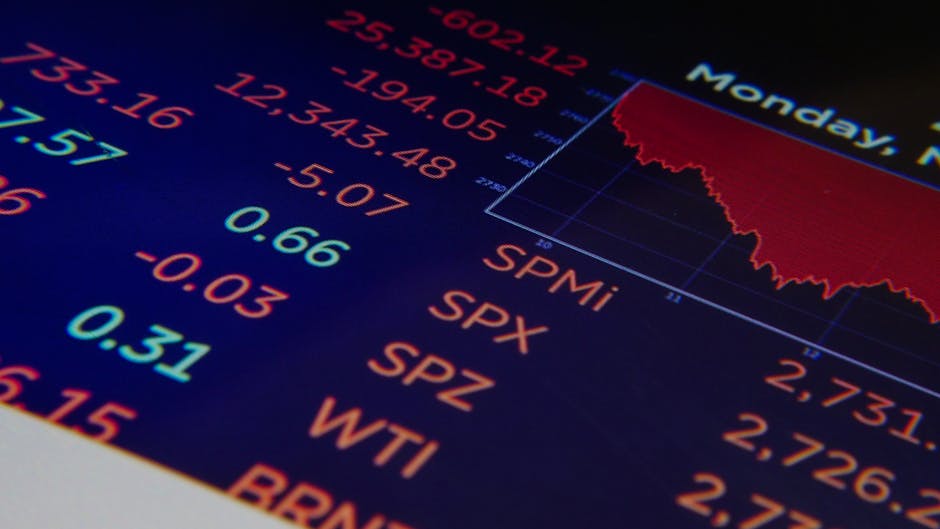
- Financial markets now expect a Fed rate hike due to rising inflation, reversing previous expectations of a rate cut.
- The April Consumer Price Index rose 0.5% month-over-month and 3.8% annually, exceeding the Fed’s 2% target and forecasts.
- Futures markets assign a 78% probability to a 25-basis-point rate increase at the July 2026 meeting.
- Inflation pressures are reshaping the economic outlook, delaying hopes for rate relief and a soft landing.
- Shelter costs, food prices, and energy contributed to the monthly CPI increase, with core CPI seeing its fastest pace since mid-2023.
Financial markets have undergone a sharp reversal in expectations for U.S. monetary policy, with traders now anticipating the next Federal Reserve interest rate move to be a hike rather than a cut. This shift follows the release of April’s Consumer Price Index, which rose 0.5% month-over-month and 3.8% annually—well above the Fed’s 2% target and the 3.4% forecast. As a result, futures markets now assign a 78% probability to a 25-basis-point rate increase at the July 2026 meeting, up from just 12% a month earlier. The abrupt turnaround underscores how persistent inflation pressures are reshaping the economic outlook and delaying hopes for rate relief.
Inflation Data Defies Soft Landing Hopes

The latest inflation evidence paints a clear picture of reaccelerating price pressures across key sectors. The Bureau of Labor Statistics reported that shelter costs alone contributed 0.4% to the monthly CPI increase, reflecting a lagging but still potent housing market. Food prices rose 0.6%, while energy jumped 1.8% due to rising oil prices driven by geopolitical tensions in the Middle East. Core CPI, which excludes volatile food and energy, increased 0.4%—its fastest pace since mid-2023. According to Reuters analysis, service-sector inflation remains sticky, with rent and medical care leading gains. These figures have forced traders to recalibrate, as the Fed’s dual mandate of price stability and maximum employment appears increasingly out of balance.
Key Players Adjust Stance Amid Market Shifts

The shift in market expectations has prompted swift reactions from central bankers, financial institutions, and policymakers. Federal Reserve Chair Jerome Powell, speaking at a post-CPI briefing, reiterated that the committee is ‘data-dependent’ and would not rule out further tightening. Several regional Fed presidents, including Mary Daly of San Francisco and Patrick Harker of Philadelphia, have echoed this caution, with Harker stating that ‘we may not be done yet’ with rate hikes. On Wall Street, JPMorgan and Goldman Sachs have revised their rate forecasts, now expecting rates to hold at 5.50%–5.75% through year-end. Meanwhile, the U.S. Treasury has begun signaling potential adjustments to debt issuance strategies to manage higher interest costs, according to a BBC report on fiscal sustainability concerns.
Trade-Offs: Growth vs. Inflation Control

The prospect of another rate hike introduces significant trade-offs between inflation control and economic growth. On one hand, maintaining restrictive policy may finally bring inflation under control, restoring long-term confidence in the dollar and anchoring inflation expectations. On the other, higher rates increase borrowing costs for consumers and businesses, threatening housing demand, auto sales, and small business investment. The housing market, already strained by elevated mortgage rates near 7%, could face renewed pressure. Moreover, the U.S. government’s net interest payments are projected to exceed $1.2 trillion annually by 2027, according to the Congressional Budget Office, raising concerns about fiscal space. While curbing inflation supports financial stability, over-tightening risks tipping the economy into a recession—a risk the Fed narrowly avoided in 2023–2024.
Why the Timing Has Changed

The timing of this policy pivot reflects a broader realization that inflationary forces are more entrenched than previously believed. Early 2026 optimism for rate cuts was based on fading base effects and cooling labor markets, but recent data show wage growth holding above 4% annually, and job openings remain high. Additionally, supply-side constraints in healthcare, education, and housing have proven resistant to monetary policy. Geopolitical supply shocks, including disruptions in semiconductor and energy markets, have further complicated the outlook. Unlike 2024, when disinflation appeared linear, 2026 has revealed a bumpy plateau in price trends. This evolving dynamic has forced both the Fed and markets to abandon assumptions of imminent easing and confront the possibility of prolonged restrictive policy.
Where We Go From Here
Looking ahead, three plausible scenarios could unfold over the next 6 to 12 months. In the first, inflation moderates to 3.2% by year-end, prompting the Fed to hold rates steady without hiking, preserving financial stability while avoiding deeper economic pain. In the second, inflation rebounds above 4%, compelling the Fed to raise rates by 25 basis points in July or September, triggering a market correction and slowing GDP growth to below 1%. In the third, a synchronized global downturn reduces demand pressures, allowing the Fed to pivot unexpectedly to rate cuts despite domestic inflation, in order to prevent financial contagion. Each scenario hinges on upcoming labor, inflation, and consumer spending data, making the next quarter critical for policy direction.
Bottom line — markets have swiftly recalibrated from expecting rate cuts to pricing in hikes, reflecting a sober reassessment of inflation’s persistence and the Federal Reserve’s likely response in a high-uncertainty environment.
Source: Reddit