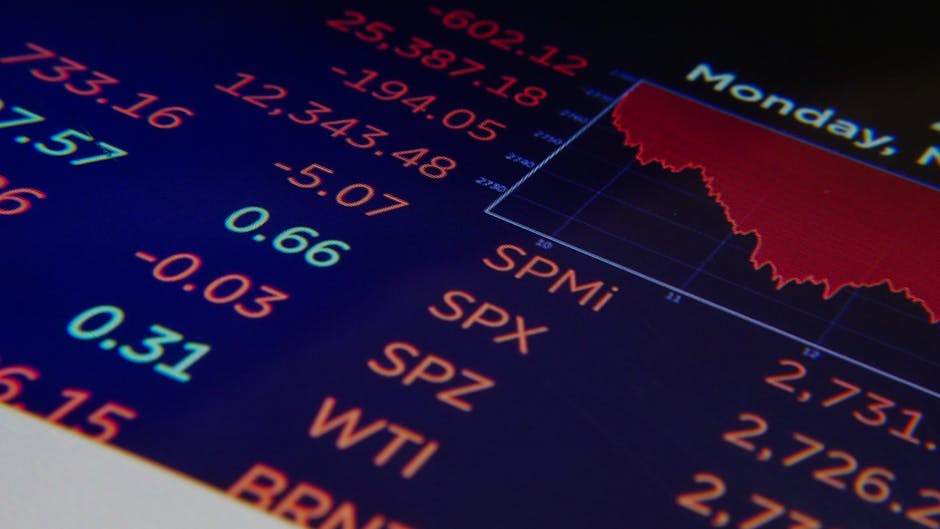
- Global silver markets plummeted 6.5% in a single trading session due to stronger-than-expected inflation data.
- The U.S. Consumer Price Index (CPI) rose 3.5% year-over-year, undermining hopes for near-term Federal Reserve rate cuts.
- Stronger inflation data strengthened the U.S. dollar and pushed Treasury yields higher, harming non-yielding assets like silver.
- Core inflation rose 0.4%, indicating persistent pricing pressures across services and housing.
- Market expectations for a Federal Reserve rate cut in June 2024 fell from 68% to 42% after the inflation report.
Global silver markets were thrown into turmoil as the precious metal tumbled more than 6.5% in a single trading session, marking its sharpest intraday drop in over two years. The sell-off was triggered by the release of stronger-than-expected U.S. Consumer Price Index (CPI) data, which showed inflation rising 3.5% year-over-year—above the 3.4% forecast—undermining hopes for near-term Federal Reserve rate cuts. This shift in monetary policy expectations has strengthened the U.S. dollar and pushed Treasury yields higher, creating a hostile environment for non-yielding assets like silver and gold, which are now facing intense investor rotation toward fixed-income instruments and equities.
Inflation Data Sparks Market Repricing

The immediate catalyst for silver’s slide was the latest CPI report from the U.S. Bureau of Labor Statistics, which revealed a 0.4% month-on-month increase in prices—the largest jump since March. Notably, core inflation, which excludes volatile food and energy components, rose 0.4% as well, indicating persistent pricing pressures across services and housing. This data dashed market expectations that inflation had entered a steady downtrend, prompting traders to revise their outlook for Federal Reserve policy. According to CME Group’s FedWatch Tool, the probability of a rate cut in June 2024 fell from 68% to just 42% within 24 hours of the report’s release. Simultaneously, the 10-year Treasury yield surged past 4.6%, its highest level since late 2023, while the U.S. Dollar Index (DXY) climbed 1.2%, reaching a multi-month peak. Silver, often seen as a hedge against inflation, paradoxically suffers when real yields rise, as holding the metal incurs opportunity costs without generating income.
Key Market Players Adjust Positions

Major financial institutions and commodity traders have rapidly adjusted their exposure in response to the shifting macro backdrop. JPMorgan Chase & Co. revised its silver price forecast downward by 12%, now expecting an average of $22 per ounce in 2024, down from $25. Meanwhile, hedge funds significantly reduced their net long positions in COMEX silver futures, with the latest Commitment of Traders (COT) report showing a 34% week-on-week decline in speculative net longs—the largest drop since October 2022. The move reflects a broader retreat from commodities by institutional investors, who are reallocating capital to short-duration bonds and dividend-paying equities. On the industrial side, companies like Pan American Silver Corp. and First Majestic Silver Corp. saw their stock prices fall over 8% in tandem with the metal, raising concerns about margin pressures if prices remain subdued. Central banks, typically net buyers of precious metals, have not stepped in to support silver, focusing instead on gold reserves as a reserve asset.
Trade-Offs: Hedge Versus Opportunity Cost

The recent price action underscores a fundamental tension in silver’s dual role as both an industrial commodity and an inflation hedge. While rising inflation typically supports precious metals, the speed and magnitude of interest rate repricing can outweigh those benefits. Silver’s industrial applications—accounting for nearly 60% of demand in photovoltaics, electronics, and medical devices—make it more sensitive to economic cycles than gold. As tighter monetary policy slows growth expectations, industrial demand may weaken, further pressuring prices. Conversely, a prolonged inflation surge could reignite safe-haven demand, particularly if real wages erode and public confidence in fiat currencies wanes. However, in the current environment, the opportunity cost of holding silver is rising, especially with U.S. two-year Treasury yields holding above 5%. This dynamic favors yield-bearing assets, making it harder for silver to attract sustained investment inflows despite its long-term strategic value in clean energy and electrification trends.
Why Now? The Shift in Monetary Policy Trajectory

The timing of silver’s slump reflects a broader pivot in market sentiment driven by evolving inflation dynamics and Federal Reserve rhetoric. For much of early 2024, investors anticipated three rate cuts by year-end, supported by declining inflation and softening labor data. However, resilient consumer spending and a tight job market have complicated the outlook. The March CPI report acted as a reality check, confirming that disinflation is not linear. Federal Reserve Chair Jerome Powell, speaking at a recent economic forum, reiterated that “policy decisions will be data-dependent,” signaling reluctance to ease rates prematurely. This shift has recalibrated asset valuations across markets, with commodities among the most vulnerable. Silver, with its high beta to real interest rates and speculative positioning, has borne the brunt of the repricing, exposing its vulnerability in a hawkish policy regime.
Where We Go From Here
Looking ahead, silver prices may face continued volatility over the next six to twelve months, shaped by three plausible scenarios. In a base case, inflation stabilizes around 3%, prompting one or two rate cuts by late 2024, which could stabilize silver around $21–$23 per ounce. A downside scenario could see prices dip below $19 if inflation reignites and the Fed holds rates higher for longer, accelerating the dollar’s strength. Conversely, a dovish pivot due to a sudden economic slowdown could spark a rally toward $28, especially if central banks broaden reserve diversification to include silver. Industrial demand from solar panel manufacturing and electric vehicle production may provide a floor, but only if macro conditions allow.
Bottom line — silver’s sharp decline reflects a recalibration of inflation and rate expectations, exposing its vulnerability in a high-yield environment despite its strategic long-term role in the energy transition.
Source: Reddit