- Modest fashion market is projected to reach $433 billion by 2028, outpacing overall apparel growth.
- Major brands like Dolce & Gabbana, Uniqlo, and Tommy Hilfiger have launched dedicated modest collections.
- The modest fashion market is a global movement, not confined to Muslim-majority regions.
- 30% of showcased brands at the 2023 London Fashion Week featured modest lines, a sharp rise from 8% a decade ago.
- Designers from Istanbul to Jakarta are gaining international acclaim for their modest fashion designs.
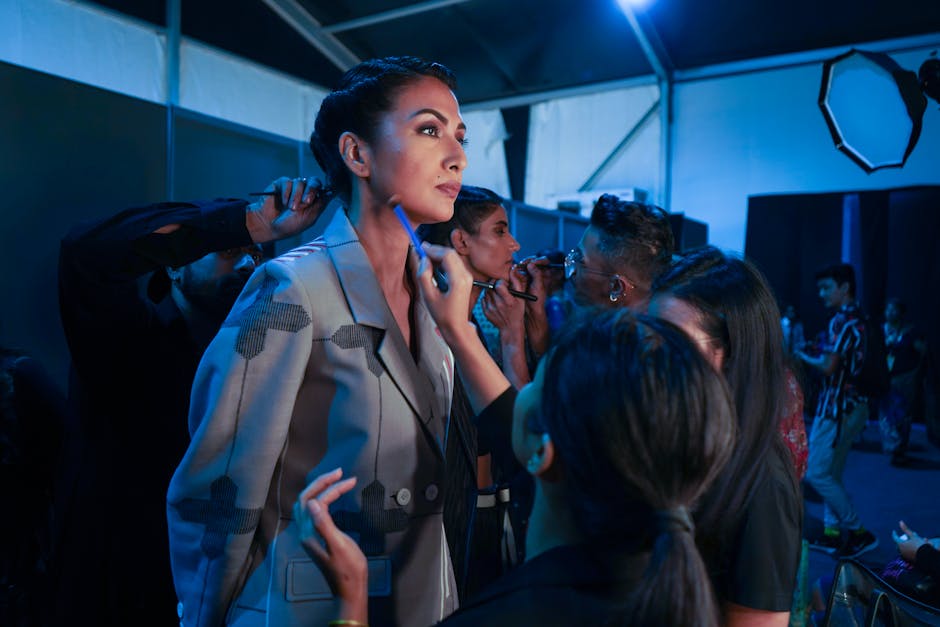
On a crisp autumn morning in Paris, beneath the vaulted glass ceiling of Carreau du Temple, a model glides down the runway in a floor-length, cobalt-blue abaya, its sleeves embroidered with silver thread that catches the light like liquid mercury. The audience, a mosaic of fashion editors, investors, and young Muslim influencers, leans forward in unison. This is not a religious gathering, nor a cultural showcase tucked into the margins of Fashion Week—it is a centerpiece of the season. The air hums with a quiet revolution: modest fashion, once relegated to niche boutiques and online forums, has arrived on the global stage with undeniable force, redefining elegance, identity, and economic power in one seamless stride.
The Runway Reimagined

Today, modest fashion is no longer an afterthought—it is a driving trend in global apparel. Major brands like Dolce & Gabbana, Uniqlo, and Tommy Hilfiger have launched dedicated modest collections, while designers from Istanbul to Jakarta are gaining international acclaim. During the 2023 London Fashion Week, 30% of showcased brands featured modest lines, a sharp rise from just 8% a decade ago. The industry’s pivot is fueled by data: according to the State of the Global Islamic Economy Report, the modest fashion market is projected to reach $433 billion by 2028, outpacing overall apparel growth. This surge is not confined to Muslim-majority regions; it is a global movement anchored in cities like London, Dubai, and Kuala Lumpur, where style and spirituality converge. Social media has been a critical accelerant—Instagram and TikTok have given rise to influencers like Dina Torkia and Ascia Al Faraj, whose millions of followers view modest dressing not as restriction, but as creative liberation.
From Margins to Mainstream

The rise of modest fashion traces its roots to the early 2000s, when Muslim women began asserting their presence in Western fashion spaces. Initially, options were limited: long sleeves meant bulky coats, and headscarves were often improvised from existing fabrics. But as second- and third-generation Muslim diasporas gained visibility, demand grew for clothing that honored religious values without sacrificing aesthetics. Pioneers like Haifa Beseisso, founder of the travel brand Hysteria, used YouTube to document modest street style, catalyzing a digital community. The 2016 launch of Dolce & Gabbana’s hijab and abaya line marked a turning point—though met with skepticism by some as cultural appropriation, it signaled that luxury fashion could no longer ignore this demographic. Since then, modest fashion weeks have launched in Dubai, Jakarta, and Casablanca, while e-commerce platforms like The Modist and East Essence have created global storefronts tailored to conservative dress codes, including gender-segregated browsing and packaging that conceals contents.
Designers, Influencers, and Entrepreneurs

At the heart of the movement are women—designers, stylists, and digital entrepreneurs—who are redefining what it means to be visible. Malaysian designer Jovian Mandagie has dressed Michelle Obama and walked the red carpet at the Met Gala in a full-length, intricately beaded gown. In London, Hana Tajima, whose modest collection for Uniqlo became a global bestseller, speaks of fashion as a bridge between cultures. These figures are not just creating clothing—they are shaping narratives. Many cite personal experiences of exclusion: being told their hijabs clashed with uniforms, or that modesty equated to frumpiness. Now, they are reclaiming agency. Influencers collaborate with brands to ensure designs are both stylish and functional, such as magnetic hijab pins or breathable fabrics for hot climates. Their power lies not only in aesthetics but in data: they represent a consumer base with spending power and digital fluency, making them indispensable to global brands seeking authenticity and reach.
Economic and Cultural Ripples

The modest fashion boom is reshaping industries beyond apparel. Retailers are rethinking store layouts, with some introducing private fitting rooms and female-only shopping hours. Advertising campaigns now feature diverse representations of Muslim women—not as symbols of oppression, but as cosmopolitan, tech-savvy consumers. This shift carries geopolitical weight: countries like Turkey and Indonesia are leveraging modest fashion as soft power, promoting national designers at international trade fairs. Yet challenges remain. Critics argue that commercialization risks diluting religious meaning, turning the hijab into a fashion accessory divorced from its spiritual roots. Others point to the lack of size inclusivity and accessibility in high-end modest lines. Still, the economic impact is undeniable—particularly for women in emerging markets, where modest fashion startups are creating jobs and fostering financial independence.
The Bigger Picture
Modest fashion’s ascent reflects a broader cultural recalibration—one where identity is not erased for assimilation, but celebrated as a source of innovation. In a world often polarized over religion and gender, this movement offers a counter-narrative: that faith and modernity can coexist, that restraint can be radical, and that beauty need not be commodified through exposure. As global demographics shift, with Muslims projected to make up 10% of Europe’s population by 2050, the demand for inclusive fashion will only intensify. The runway, long a symbol of exclusivity, is becoming a site of belonging.
What comes next may be the most transformative phase yet: the integration of modest principles into mainstream design, not as a niche segment but as a default option. As climate-conscious consumers embrace slower fashion and coverage for UV protection, modesty’s appeal is expanding beyond religious lines. The abaya, the maxi dress, the high-neck blouse—they are no longer markers of difference, but emblems of a more inclusive vision of style. The revolution on the runway is not loud, but it is lasting.
Source: Al Jazeera