- The Bureau of Labor Statistics’ latest CPI report shows inflation accelerating to 3.8% year-over-year, surpassing the 3.5% forecast.
- The report’s strong inflation data shattered market expectations of imminent rate cuts, sparking a dramatic reassessment of the economic outlook.
- Core inflation, excluding food and energy prices, rose 0.4% in May, resulting in a 4.0% annual gain, the highest in eight months.
- Shelter costs and services like car insurance and medical care posted significant increases in the latest CPI report.
- Financial markets swiftly revised their expectations, with the CME Group’s FedWatch Tool showing an increased chance of a Fed rate hike by September.
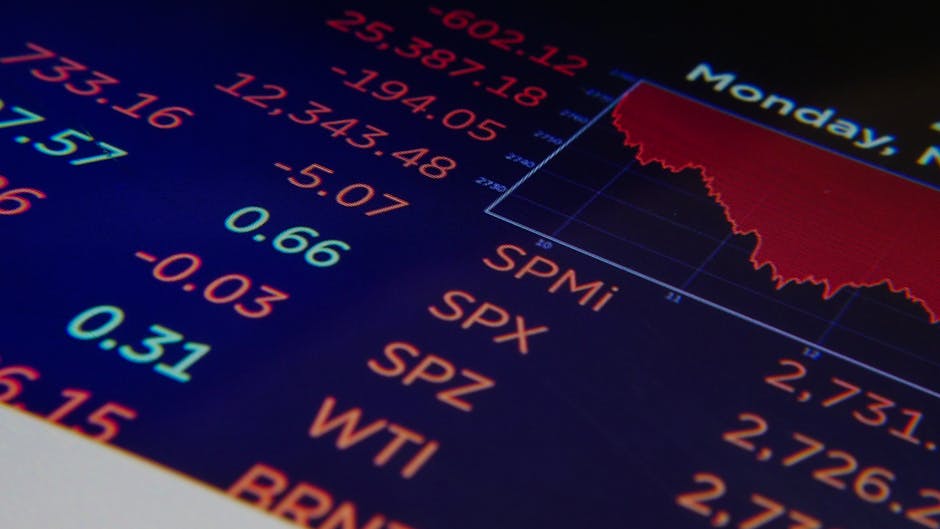
On a quiet Tuesday morning in New York, the hum of trading floors gave way to a sudden jolt. As the Bureau of Labor Statistics released its latest consumer price index report, showing inflation accelerating to 3.8% year-over-year—well above the 3.5% forecast—traders in Lower Manhattan and remote desks across the country recalibrated their assumptions in real time. Screens flashed red, bond yields spiked, and the once-certain expectation of imminent rate cuts evaporated. For months, financial markets had been operating under the assumption that the Federal Reserve was nearing the end of its tightening cycle, possibly pivoting to cuts by summer. But the new data shattered that narrative, igniting a swift and dramatic reassessment of the economic outlook and the Fed’s next move.
Inflation Reaccelerates, Upending Market Forecasts

The latest CPI report revealed that core inflation, which excludes volatile food and energy prices, rose 0.4% in May, translating to a 4.0% annual gain—the highest in eight months. Shelter costs, which account for nearly a third of the index, continued to climb, while services like car insurance and medical care posted sharp increases. The data contradicted the prevailing belief that inflation was on a steady decline toward the Fed’s 2% target. Instead, it signaled persistent price pressures across the economy. In response, financial markets swiftly revised their expectations: as of Wednesday, the CME Group’s FedWatch Tool showed an 82% probability that the Federal Open Market Committee (FOMC) would raise rates by 25 basis points at its July meeting, up from just 30% a week earlier. The odds of a rate cut by September, once priced at over 60%, have now dropped below 20%.
The Path to This Policy Crossroads

For more than two years, the Federal Reserve has pursued an aggressive campaign of rate hikes to tame inflation that peaked at 9.1% in mid-2022. Beginning in March 2022, the central bank raised its benchmark federal funds rate from near zero to 5.25%-5.50%, the highest level in over two decades. By early 2024, a string of softer inflation readings—along with signs of labor market cooling—led officials and analysts alike to anticipate a dovish shift. Chair Jerome Powell, while cautious, acknowledged that the Fed could soon begin cutting rates if inflation continued to moderate. Markets seized on these signals, pricing in as many as six cuts in 2024. But the economy proved more resilient than expected: consumer spending remained strong, the labor market defied gloom, and wage growth outpaced inflation in real terms. This underlying strength, combined with sticky service-sector inflation, has complicated the Fed’s path forward.
Key Players Shaping the Rate Decision

At the center of the debate is Federal Reserve Chair Jerome Powell, whose careful rhetoric has long guided market expectations. Powell has repeatedly emphasized that the Fed will be data-dependent, resisting premature declarations of victory over inflation. His colleagues on the FOMC are divided: some, like Minneapolis Fed President Neel Kashkari, argue for patience and caution, warning that cutting too soon could reignite price pressures. Others, including Atlanta Fed President Raphael Bostic, have expressed growing concern about over-tightening and its risks to employment. Beyond the Fed, Wall Street economists and institutional investors are re-evaluating their models. Firms like Goldman Sachs and JPMorgan have already scaled back their forecasted cuts for 2024. Meanwhile, households and small businesses, still adjusting to high borrowing costs, face renewed uncertainty as credit markets tighten.
Impacts on Markets and Main Street

The shift in rate expectations has immediate consequences across the economy. Mortgage rates, which had begun to ease, have climbed back above 7%, dampening housing market activity. Auto loan and credit card rates—closely tied to the federal funds rate—are likely to follow. For investors, the reversal has triggered volatility in equities and bonds. The S&P 500 dipped 1.2% following the CPI release, while the yield on the 10-year Treasury surged past 4.5%. For savers, higher rates mean better returns on deposits and money market funds. But for governments and corporations carrying large debt loads, the prospect of prolonged high rates increases borrowing costs and could constrain spending. Most critically, low- and middle-income households, who spend a larger share of income on essentials, face continued pressure from elevated prices, particularly in housing and healthcare.
The Bigger Picture
This moment underscores a broader challenge: central banks are navigating an era of structural economic shifts, from aging populations to climate-driven supply disruptions, that make traditional inflation models less reliable. The Fed’s struggle to achieve a soft landing—slowing inflation without triggering recession—reflects how post-pandemic economies defy easy categorization. Moreover, political pressures are mounting, with both parties scrutinizing the economic impact of high rates ahead of the 2024 election. If inflation remains sticky, the Fed may be forced to keep rates higher for longer, testing the resilience of both financial markets and everyday Americans.
What comes next hinges on the next few months of economic data. If inflation resumes its downward trend, the door for rate cuts may reopen. But if price pressures persist, the Fed could surprise markets with another hike—marking a dramatic reversal from the dovish pivot many expected. One thing is clear: the era of certainty is over. As Powell and his colleagues deliberate, markets and Main Street will be watching every word, every number, and every shift in the data.
Source: CNBC