- A healthy lifestyle, including regular physical activity and a nutrient-rich diet, can reduce Alzheimer’s risk by 60%.
- Maintaining a consistent sleep schedule of at least seven hours nightly can help preserve memory function.
- Engaging in cognitively stimulating activities can strengthen neural connectivity and delay Alzheimer’s onset.
- While genetics and aging play a role in neurodegeneration, personal habits may significantly delay Alzheimer’s symptoms.
- Cognitive resilience research suggests that some individuals can withstand Alzheimer’s-related brain changes without memory loss or impaired thinking.
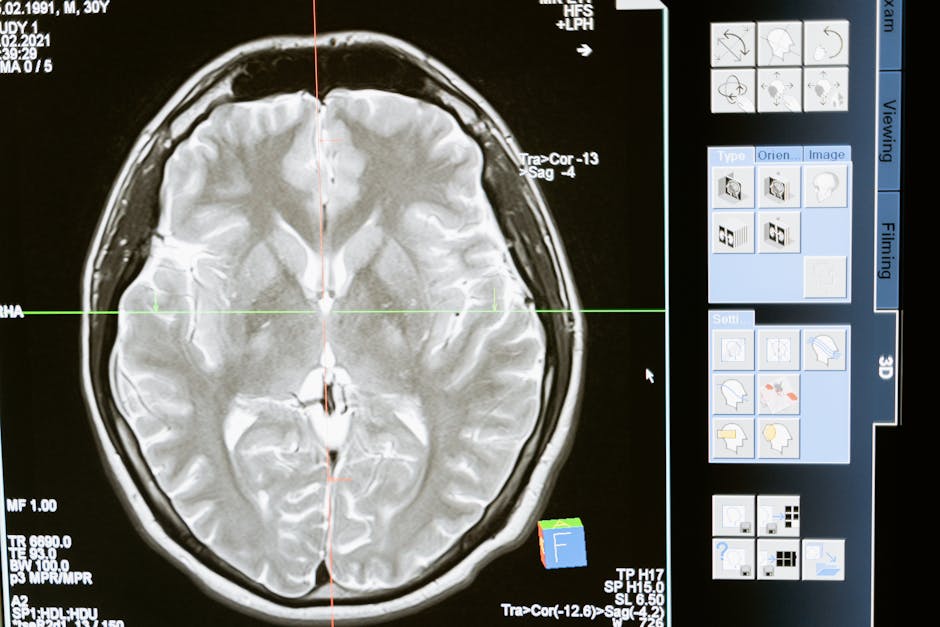
One in nine Americans over the age of 65 has Alzheimer’s disease, and by some estimates, brain changes associated with the condition can begin decades before symptoms appear. Yet a groundbreaking MRI study of 600 middle-aged and older adults reveals a powerful countermeasure: a healthy lifestyle. Researchers found that individuals who maintained regular physical activity, followed a nutrient-rich diet, slept at least seven hours nightly, and engaged in cognitively stimulating activities showed stronger neural connectivity and preserved memory function—even when their brain scans revealed early biomarkers of Alzheimer’s. This cognitive resilience suggests that while genetics and aging play roles in neurodegeneration, personal habits may significantly delay the onset of debilitating symptoms, offering new hope in the fight against dementia.
The Rise of Cognitive Resilience Research

For years, Alzheimer’s research focused on amyloid plaques and tau tangles as the primary drivers of cognitive decline. However, recent studies have highlighted a puzzling phenomenon: some individuals with significant Alzheimer’s-related brain changes show no signs of memory loss or impaired thinking during life. This discrepancy has led scientists to explore the concept of cognitive resilience—the brain’s ability to withstand pathology through structural and functional compensation. The current study, published in Nature Aging, advances this field by linking resilience directly to modifiable lifestyle behaviors. With Alzheimer’s diagnoses expected to rise to nearly 13 million in the U.S. by 2050, understanding how lifestyle fosters brain resilience is no longer academic—it’s urgent public health imperative.
Lifestyle Factors That Strengthen the Brain

The study tracked 600 participants aged 55 to 90 over five years, using detailed lifestyle surveys, cognitive assessments, and high-resolution functional MRI scans. Researchers scored individuals on four key behaviors: moderate-to-vigorous physical activity (at least 150 minutes weekly), adherence to a Mediterranean-style diet rich in vegetables, fish, and healthy fats, consistent sleep of seven to eight hours per night, and regular engagement in novel cognitive tasks such as learning a language or playing a musical instrument. Those who met at least three of the four criteria were classified as having a ‘high-impact’ healthy lifestyle. MRI results showed these individuals had significantly greater functional connectivity in the default mode network—a brain system critical for memory and self-referential thought—that is typically disrupted early in Alzheimer’s progression.
How Healthy Habits Alter Brain Function

The mechanisms behind this protective effect appear to be both structural and metabolic. Exercise increases blood flow and stimulates the release of brain-derived neurotrophic factor (BDNF), a protein that supports neuron growth and synaptic plasticity. Meanwhile, a Mediterranean diet reduces systemic inflammation and oxidative stress, both of which contribute to neuronal damage. Sleep, particularly deep slow-wave sleep, facilitates the glymphatic system’s clearance of amyloid-beta from the brain. Cognitive challenges promote neuroplasticity, effectively building cognitive ‘reserve’ that allows the brain to reroute functions around damaged areas. The MRI data revealed that participants with high lifestyle scores not only had better connectivity but also showed less atrophy in the hippocampus, a region essential for forming new memories and often one of the first affected by Alzheimer’s.
Who Benefits Most—and Who’s at Risk

The protective effects of a healthy lifestyle were most pronounced in individuals with elevated amyloid levels—a sign of early Alzheimer’s pathology—yet normal cognitive test scores. These findings suggest that lifestyle interventions may be most impactful in the preclinical phase, before symptoms emerge. However, disparities in access to healthcare, nutritious food, safe spaces for exercise, and educational opportunities mean that not all populations can equally adopt these behaviors. The study cohort was predominantly white and college-educated, limiting generalizability. Still, the implications are profound: delaying the onset of dementia by even five years could reduce prevalence and associated healthcare costs by nearly half, according to projections from the Alzheimer’s Association.
Expert Perspectives
“This study reinforces that Alzheimer’s is not solely a disease of protein accumulation, but also one of brain resilience,” says Dr. Maria Carrillo, chief science officer at the Alzheimer’s Association. Other experts urge caution, noting that while lifestyle helps, it does not eliminate risk. “Genetics still matter—especially the APOE4 gene variant—and we shouldn’t place undue burden on individuals,” cautions Dr. Zoe Arvanitakis, a neurologist at Rush University Medical Center. Still, consensus is growing that a multi-pronged approach combining early detection, lifestyle modification, and future therapeutics offers the best path forward.
Looking ahead, researchers are launching randomized controlled trials to test whether structured lifestyle programs can slow cognitive decline in at-risk populations. Questions remain about the optimal timing and combination of interventions. Could starting in midlife—or even earlier—amplify benefits? As brain imaging becomes more accessible, the potential to personalize prevention strategies based on both biomarkers and behavior grows. For now, the message is clear: while we await a cure, the power to protect our minds may lie in the choices we make every day.
Source: Murdoch