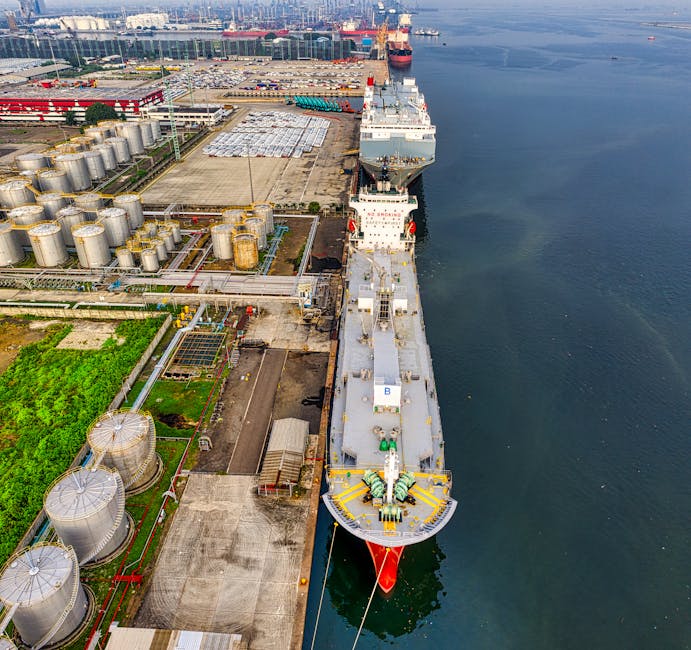
- Global oil stockpiles could reach record lows by the end of May due to the Strait of Hormuz closure.
- The Strait of Hormuz is the world’s most critical energy chokepoint, through which nearly 20% of the world’s oil passes.
- A prolonged shutdown of the Strait of Hormuz threatens to destabilize supply chains and inflate prices at the pump.
- Global oil stockpiles are extremely vulnerable to a Hormuz shutdown, with a projected supply deficit exceeding 10 million barrels per day.
- Coordinated releases from strategic petroleum reserves have only offset about 40% of the shortfall so far.
What happens to the global economy if one of the world’s most critical energy chokepoints remains shut for weeks? That’s the urgent question gripping markets, governments, and consumers as the Strait of Hormuz—a narrow waterway between Iran and Oman through which nearly 20% of the world’s oil passes—has remained effectively closed due to escalating regional tensions. With tanker traffic at a standstill and no clear timeline for reopening, analysts at UBS now project that global oil stockpiles could reach record lows by the end of May. The implications stretch far beyond energy markets, threatening to destabilize supply chains, inflate prices at the pump, and reignite inflation fears in already fragile economies.
How vulnerable are global oil reserves to a Hormuz shutdown?

The answer is: extremely vulnerable. The Strait of Hormuz is the world’s most important maritime oil transit route, with an average of 17 million barrels per day flowing through it before the closure—nearly one-fifth of global oil consumption. According to UBS, the abrupt halt in shipments has created a supply deficit that exceeds 10 million barrels per day, a gap that cannot be quickly filled by alternative sources. While countries maintain strategic petroleum reserves, coordinated releases from the U.S., Europe, and Asia have so far only offset about 40% of the shortfall. With production increases from non-OPEC+ nations like the U.S. and Brazil constrained by infrastructure and investment limitations, the world is now drawing down inventories at an unsustainable pace. If the strait remains closed past mid-May, analysts warn, global commercial and strategic stockpiles could fall to levels not seen since the early 2000s, when demand was far lower.
What evidence supports the forecast of record-low reserves?

Data from the International Energy Agency (IEA) and tanker tracking firms like Kpler confirm a steep decline in floating and onshore oil inventories. In the past six weeks, global onshore crude storage has dropped by over 120 million barrels, with the largest declines in Europe and Northeast Asia—regions heavily reliant on Middle Eastern crude. U.S. Strategic Petroleum Reserve (SPR) inventories, already at their lowest levels since the 1980s, have been further depleted by emergency releases. Meanwhile, shipping data shows that more than 40 oil tankers, carrying over 80 million barrels, remain idled outside the Strait, unable to enter or exit the Persian Gulf. Reuters reported that some vessels are being used as floating storage, but even this stopgap measure has limits. UBS estimates that without a resolution, spare global oil capacity could vanish by late May, leaving markets with no buffer in the event of additional supply disruptions.
Are there alternative viewpoints or mitigating factors?

Some energy analysts caution against worst-case projections, noting that demand destruction could naturally ease the supply crunch. Higher oil prices—Brent crude has surged past $110 per barrel—typically dampen consumption, particularly in transportation and industrial sectors. Additionally, the Organization of the Petroleum Exporting Countries (OPEC) has signaled it could accelerate planned production increases, though spare capacity among key members like Saudi Arabia is limited. Others point to improved energy efficiency and the growing role of renewables in reducing oil dependency, especially in Europe. However, these factors operate on longer timeframes and offer little relief in the immediate crisis. Skeptics also argue that past disruptions, such as the 2019 drone attacks on Saudi facilities, were resolved faster than expected. Yet the current situation is distinct: a sustained chokepoint closure affects volume on a scale those earlier events did not, making historical comparisons only partially relevant.
What are the real-world economic consequences?

The immediate impact is already visible in rising fuel prices and freight costs. In the U.S., the average price of gasoline has climbed above $4.50 per gallon, erasing some of the inflation gains seen in 2023. Airlines are reintroducing fuel surcharges, and shipping companies are rerouting vessels thousands of miles around Africa, increasing delivery times and logistics expenses. Emerging economies reliant on oil imports, such as India, Turkey, and Egypt, face balance-of-payment pressures and potential currency devaluations. Central banks, including the Federal Reserve and European Central Bank, may delay interest rate cuts to contain inflationary pressures reignited by energy costs. Perhaps most concerning, low oil inventories reduce the world’s ability to respond to further shocks—whether from geopolitical flare-ups, hurricanes disrupting Gulf production, or infrastructure failures—leaving the global economy in a precarious position.
What This Means For You
For consumers, this means higher prices at the gas pump, increased costs for goods and travel, and potential ripple effects on household budgets. Businesses may delay investments or pass on rising energy costs to customers. Governments could face political backlash over energy policy and inflation. While individual actions like reducing driving or boosting efficiency offer minor relief, the larger issue hinges on geopolitical resolution and energy resilience. Diversifying energy sources and accelerating clean energy adoption remain long-term imperatives.
Can the world afford another prolonged disruption to global energy flows, and what happens if critical chokepoints like Hormuz become recurring flashpoints in an era of increasing geopolitical instability?
Source: CNBC