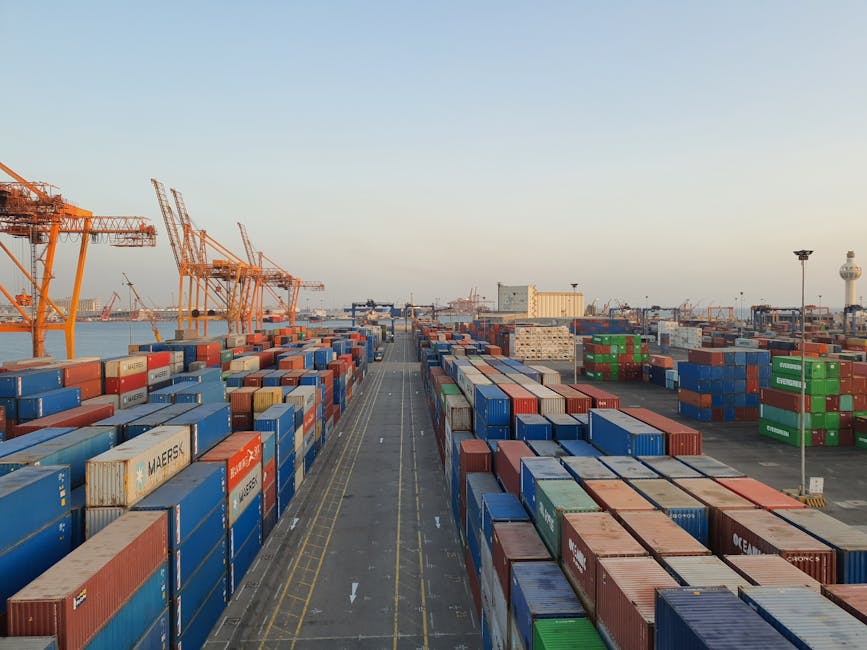
- Freight rates in the Gulf region have surged 300% in six weeks, driven by port congestion and geopolitical tensions.
- Shipping firms are rerouting cargo via land transport, despite trucks carrying less than 5% of a standard container ship’s capacity.
- The inefficient substitution of trucks for ships is inflating logistics costs by tens of thousands of dollars per shipment.
- Labor shortages and customs bottlenecks have slowed cargo offloading, causing backlogs in the supply chain.
- Time-sensitive sectors such as automotive manufacturing and pharmaceutical distribution are under pressure to meet delivery deadlines.
Freight rates in the Gulf region have skyrocketed by as much as 300% over the past six weeks, as persistent port congestion, geopolitical tensions, and limited vessel availability compel shipping firms to reroute cargo via land transport. With container ships delayed by weeks at major hubs like Jebel Ali and Dammam, businesses are turning to trucks to meet urgent delivery deadlines—despite the fact that a single semi-trailer carries less than 5% of a standard 40-foot container ship’s capacity. This inefficient substitution is inflating logistics costs by tens of thousands of dollars per shipment, squeezing profit margins for importers and exporters alike and threatening to disrupt everything from construction projects to retail supply lines across the Middle East.
Why the Gulf’s Shipping Network Is Under Strain

The current disruption stems from a confluence of factors that have tightened capacity across maritime and land-based logistics. Heightened tensions in the Red Sea have rerouted numerous vessels away from traditional Suez Canal pathways, pushing more traffic through the Arabian Gulf’s already congested ports. Simultaneously, labor shortages and customs bottlenecks have slowed cargo offloading, causing backlogs that ripple through the supply chain. With vessel schedules delayed by up to three weeks, shippers are under pressure to deliver goods on time, particularly for time-sensitive sectors such as automotive manufacturing and pharmaceutical distribution. As a result, companies are resorting to trucks to bridge the gap, though this interim solution is both cost-prohibitive and logistically unsustainable at scale.
The Shift to Trucking and Its Hidden Costs

Major freight forwarders including Agility and DHL have reported a 40% increase in overland trucking requests from clients across Saudi Arabia, the UAE, and Kuwait since January. While trucks offer faster turnaround for short-haul deliveries, their limited payload capacity means that moving the equivalent of a single containerized shipment can require over 20 separate truckloads. This inefficiency has driven spot trucking rates from $800 per kilometer to more than $2,500—a surge that is being passed directly to businesses. One Dubai-based electronics distributor revealed to Reuters that a routine shipment from Dubai to Riyadh now costs $28,000 by truck, compared to $6,500 via sea freight. Moreover, the environmental impact is mounting, with diesel consumption and carbon emissions rising sharply across key transport corridors.
Root Causes and Market Reactions

The pivot to trucking reflects deeper structural weaknesses in the Gulf’s logistics infrastructure, where overreliance on maritime transport leaves little resilience during disruptions. According to the International Transport Forum, the region’s road freight sector lacks the scalability to absorb major shifts in cargo volume, with only 18% of commercial trucks operating at full load capacity under normal conditions. Now, with demand spiking, trucking fleets are stretched thin, and driver availability has become a critical constraint. The Gulf Cooperation Council (GCC) has urged member states to coordinate cross-border permits and streamline inspections, but progress has been slow. Meanwhile, container leasing companies report record demand for chassis and refrigerated units, signaling that the crisis could persist well into the third quarter of 2024.
Who Is Feeling the Impact

The ripple effects are being felt most acutely by small and medium enterprises (SMEs), which lack the negotiating power to secure preferential freight rates. Retail chains face delayed inventory restocking, while construction firms report shortages of imported steel and cement. In Kuwait, supermarket operators have warned of potential price hikes on imported food items, as higher transport costs eat into margins. Even e-commerce platforms, which had grown accustomed to reliable next-day delivery, are now experiencing fulfillment delays of up to 10 days. Consumers may soon see the impact at checkout counters, with economists at the Institute of International Finance projecting a 1.2% increase in non-oil import prices across the GCC by June 2024.
Expert Perspectives
Logistics experts are divided on the long-term viability of current stopgap measures. Dr. Nasser Al-Tarabi, supply chain professor at Qatar University, argues that “the Gulf must invest in multimodal infrastructure, including rail and inland dry ports, to reduce dependency on maritime chokepoints.” In contrast, Lina Haddad of the Dubai Chamber of Commerce believes the private sector can adapt quickly, citing recent investments in digital freight platforms that optimize truck routing and load-matching. Still, both agree that without coordinated regional policy, the current patchwork response will remain vulnerable to future shocks.
Looking ahead, industry watchers are monitoring whether new shipping alliances and expanded port capacity in Oman and Bahrain will alleviate pressure. The success of Saudi Arabia’s NEOM logistics hub, set to launch in late 2025, could also reshape regional dynamics. However, with Red Sea instability showing no signs of abating and global supply chains remaining fragile, businesses must prepare for sustained volatility. The key question is not whether trucking can fill the gap, but how long it can bear the weight before the system buckles.
Source: Financial Times