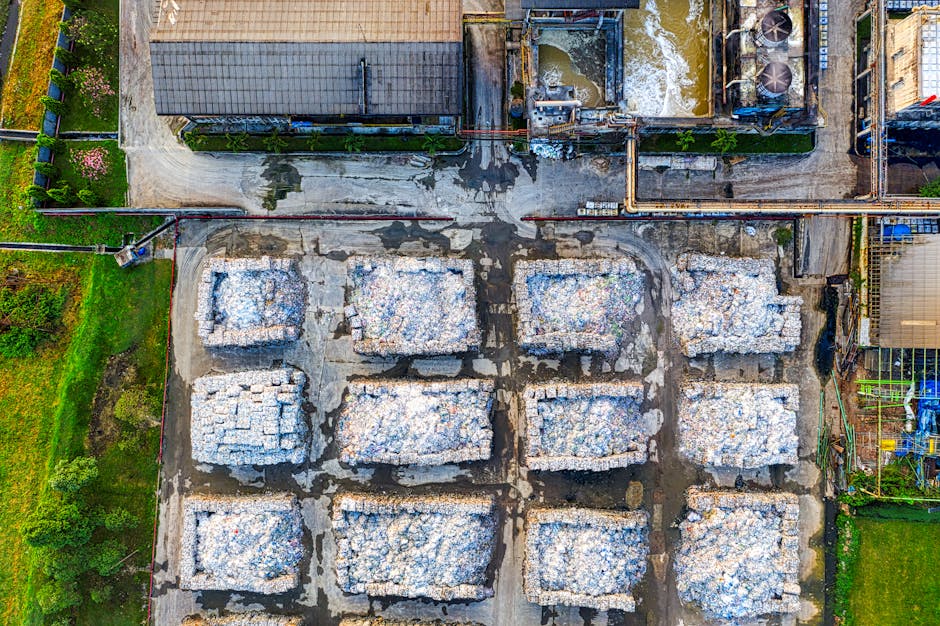
- 6 million disposable vapes are discarded in Britain every month, causing a massive recycling crisis.
- The UK’s waste management system is overwhelmed, with £1 billion spent annually on cleaning and managing discarded vapes.
- Despite a 2025 ban on disposable vapes, the damage is already done, with facilities struggling to cope.
- Lithium-ion batteries in vapes can ignite when crushed or punctured during sorting, causing fires and pollution.
- Improper disposal of vapes is sparking a wave of environmental issues, including landfill pollution and waste management overload.
It is 2pm and Ana, 47, has just started the afternoon shift at the Suez recycling plant near Birmingham city centre, standing beneath a sign reading “Non-ferrous sorting station” with a bucket of vapes in front of her. Sorting and dismantling them is part of her job as a site operative. The air hums with the mechanical groan of conveyor belts, and the scent of burnt plastic lingers from an earlier fire in the waste stream. Each device in her bucket—compact, colorful, deceptively sleek—harbors lithium-ion batteries, heavy metals, and residual nicotine gel. Ana wears thick gloves and a face shield. With a hammer in hand, she carefully cracks open each vape, extracting components that should never have ended up here. This is not recycling as most imagine it; it is triage. Across Britain, facilities like this one are quietly battling a crisis born of convenience: 6 million disposable vapes discarded every month, many improperly disposed of, sparking fires, polluting landfills, and overwhelming a system never designed to handle them.
The Vape Wave Overwhelming Waste Systems

Despite a 2025 UK ban on the sale of disposable vapes set to take effect, waste professionals say the damage is already mounting. The Local Government Association estimates the cleanup and management of discarded vapes costs councils £1 billion annually. These devices, often no larger than a USB stick, contain lithium-ion batteries that can ignite when crushed or punctured in sorting machinery. At the Suez facility, staff report at least one fire every week linked to vapes, forcing emergency shutdowns and endangering workers. Fewer than 1% of used vapes are properly recycled, according to Valpak, the compliance scheme overseeing producer responsibility. The rest end up in general waste, recycling bins, or littered in parks and gutters. The Environment Agency has issued repeated warnings: vapes in landfills can leach toxic chemicals into soil and water, while their batteries contribute to greenhouse gas emissions when incinerated. Even when vapes are dropped into designated e-waste bins, collection infrastructure remains patchy, and public awareness is low.
How We Got Here: The Rise of Disposable Vapes

The disposable vape boom began in the early 2020s, fueled by sleek marketing, fruity flavors, and social media influencers targeting younger users. Brands like Elf Bar and Geek Bar became ubiquitous, offering thousands of puffs per device at low prices—often under £10. Public Health England initially championed vaping as a smoking cessation tool, but the shift toward disposables, which are harder to regulate and reuse, complicated that narrative. Unlike refillable systems, disposable vapes are designed for single use, embedding batteries, coils, and e-liquid in sealed units that resist disassembly. Sales surged, with Mintel reporting over 50 million disposable vapes sold in the UK in 2023 alone. Meanwhile, recycling policy lagged. E-waste regulations were not updated to classify vapes as hazardous, and producer responsibility schemes lacked enforcement. By the time regulators took notice, millions of devices had already entered the waste stream, creating a backlog that recycling plants are still grappling with today.
The People on the Front Lines

Workers like Ana are the unsung face of the vape waste crisis. At the Suez plant, a dedicated team now spends hours each day manually dismantling vapes—a task never envisioned when the facility opened. “We didn’t sign up to be battery technicians,” Ana says, wiping sweat from her brow. “But if we don’t do this, the machines catch fire.” Her team follows strict protocols: batteries must be removed and stored in fireproof containers, plastics sorted by resin type, and nicotine residue carefully handled. Meanwhile, local council waste officers, such as Darren Stanley in Manchester, are fielding growing public confusion. “People think tossing a vape in the recycling bin is enough,” he says. “But unless it’s taken to a designated collection point, it’s likely doing more harm than good.” Environmental campaigners, including those at Hubbub UK, are pushing for clearer labeling and expanded drop-off networks, but progress remains slow.
Consequences for Public Health and the Planet

The environmental toll of unrecycled vapes is steep. Each device contains about 500 milligrams of lithium, a finite resource whose mining carries significant ecological costs. When vapes are incinerated or landfilled, that lithium is lost forever, contributing to resource depletion. Worse, the fires they cause release toxic fumes, including carcinogens like benzene and formaldehyde. For councils, the financial strain is unsustainable—funds that could go toward education or healthcare are diverted to fire suppression and waste sorting. Public health experts also worry about the message this sends: if society treats nicotine delivery devices as disposable, it normalizes a culture of waste and addiction. Children are particularly vulnerable, both to the allure of flavored vapes and the risks of discarded devices ending up in playgrounds.
The Bigger Picture
This crisis is not just about waste—it’s about design, responsibility, and foresight. The vape boom mirrors broader patterns in consumer electronics, where convenience trumps sustainability. As governments push for a circular economy, the vape debacle serves as a cautionary tale: innovation without regulation leads to unintended consequences. The upcoming UK sales ban is a step forward, but without a robust recycling infrastructure and public education campaign, the legacy of 6 million monthly vapes will linger for decades.
What comes next will depend on coordinated action. Producers must be held accountable for end-of-life management, retailers should offer take-back programs, and consumers need clear guidance. At the Suez plant, Ana finishes her shift, her bucket still half-full. Tomorrow, another 10,000 vapes will arrive. The system is strained, but not broken—yet. The window to fix it is closing fast.
Source: The Guardian