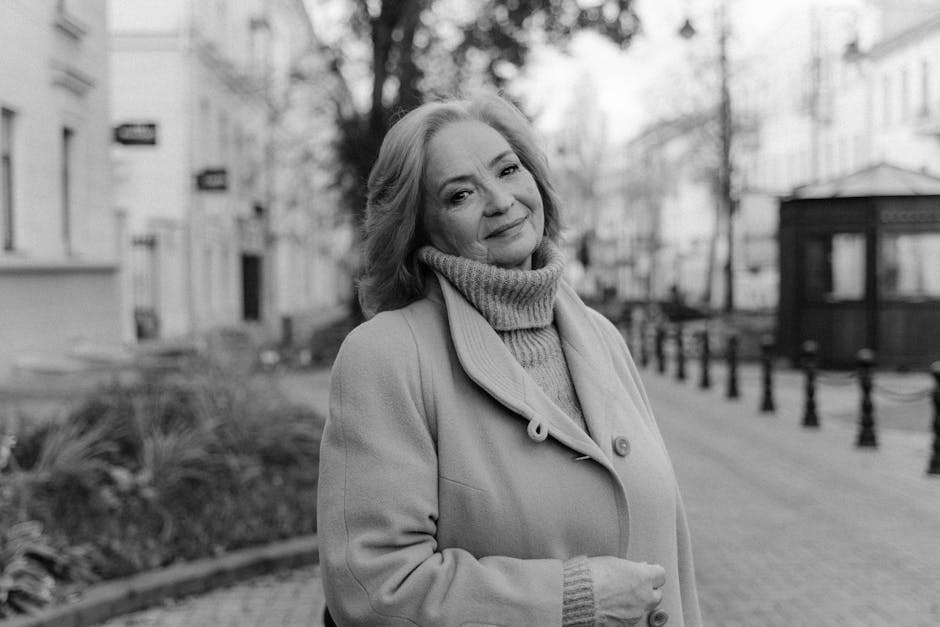
- A 72-year-old woman successfully completed medical school and began her residency at 73 years old, challenging age-related stereotypes in the medical field.
- While medical schools don’t have upper age limits, a medical career typically begins in a person’s mid-20s due to the physically demanding training.
- Dr. Nana Danso’s 10-year journey to medical school included completing pre-med requirements in her 60s, demonstrating dedication and perseverance.
- Danso’s experience highlights the need to reconsider what it means to be ‘too old’ for medicine and the importance of age diversity in the medical profession.
- Her story inspires others to pursue their passions, regardless of age, and proves that it’s never too late to start a medical career.
Can someone truly begin a medical career in their seventies? That’s the question echoing across social media and medical communities after a 72-year-old woman from West Michigan graduated from medical school and began her residency at age 73. At a stage in life when most are settling into retirement, Dr. Nana Danso is suiting up for clinical rotations, mastering patient care, and fulfilling a decades-long dream. Her story isn’t just inspirational—it’s raising fundamental questions about age, capability, and when a medical career can realistically begin. In a field known for its grueling training and youth-centric culture, Danso’s journey forces us to reconsider what it means to be ‘too old’ for medicine.
Can You Start Medical Training in Your 70s?

Yes—though it’s exceptionally rare. Dr. Nana Danso, a Ghana-born woman who settled in Michigan after a career in public health and medical research, graduated from Michigan State University’s College of Human Medicine in 2023 at the age of 72. She began her internal medicine residency at Ascension Providence Hospital in Southfield, Michigan, at 73, believed to be among the oldest new residents in recent U.S. history. While medical schools don’t have upper age limits, the path is physically and mentally demanding, typically beginning in a person’s mid-20s. Danso’s journey took 10 years of preparation after retiring from her previous work, including completing pre-med requirements in her 60s. Her case proves that with determination, support, and resilience, medical training is not bound by age, though systemic and cultural barriers remain.
What Evidence Supports Late-Life Medical Careers?

Danso’s achievement is backed by both personal perseverance and broader trends in non-traditional medical education. According to the Association of American Medical Colleges (AAMC), the average age of entering medical students is around 24, but the number of students over 30 has been slowly increasing. While data on students over 70 is nearly non-existent, the AAMC does not track age beyond broad categories, suggesting such cases are statistical outliers. Still, studies published in Academic Medicine have shown that older students often bring valuable life experience, emotional maturity, and stronger patient rapport. Danso herself noted in interviews with WZZM13 that her decades in public health gave her a unique perspective on patient care, particularly in underserved communities. Her presence in the residency program is not just symbolic—it’s a test case for inclusivity in medical training.
What Do Critics and Skeptics Say?

While many celebrate Danso’s accomplishment, some in the medical community have quietly voiced concerns about the physical and cognitive demands of residency, especially for someone in their seventies. Residency programs often require 60-80 hour weeks, overnight shifts, and rapid decision-making under pressure—challenges that increase with age-related fatigue or health issues. Critics aren’t necessarily opposing her participation, but they question whether the system is equipped to support older trainees with potential health limitations or different learning paces. Others worry about return on investment: with a typical career span shortened by late entry, does it make sense for institutions to invest heavily in a physician with fewer working years ahead? These concerns, while valid, also risk ageism—assuming decline without assessing individual capability. Danso has reportedly passed all exams and evaluations, suggesting competence outweighs chronological age.
What Is the Real-World Impact of Her Journey?

Danso’s residency is already having a tangible impact beyond her hospital walls. She has become a symbol of perseverance, particularly for women and minorities considering career changes later in life. At MSU, her presence inspired conversations about flexible training pathways and support for non-traditional students. Her story has been shared widely on social media, with many citing her as proof that dreams don’t expire. In clinical settings, patients have responded positively to her calm demeanor and life experience. One colleague noted that older patients, in particular, feel more at ease with her, seeing a reflection of their own life stages. While her career may be shorter than average, her influence on medical culture and patient trust could be lasting. She’s not just treating patients—she’s reshaping perceptions of who can be a doctor.
What This Means For You
Danso’s journey reminds us that career timelines are not one-size-fits-all. Whether you’re considering a late-life pivot or supporting someone who is, her story underscores the value of persistence, lifelong learning, and redefining personal limits. The medical field may be slow to adapt, but individual actions can push institutions toward greater inclusivity. For aspiring professionals of any age, the message is clear: if you’re capable and committed, it’s never too late to pursue a meaningful career.
Still, questions remain: Should medical schools actively recruit older applicants? And as life expectancy rises, will we see more physicians beginning careers in their sixties and seventies? The answer may depend not just on individual will, but on whether the healthcare system is ready to welcome them.
Source: Reddit