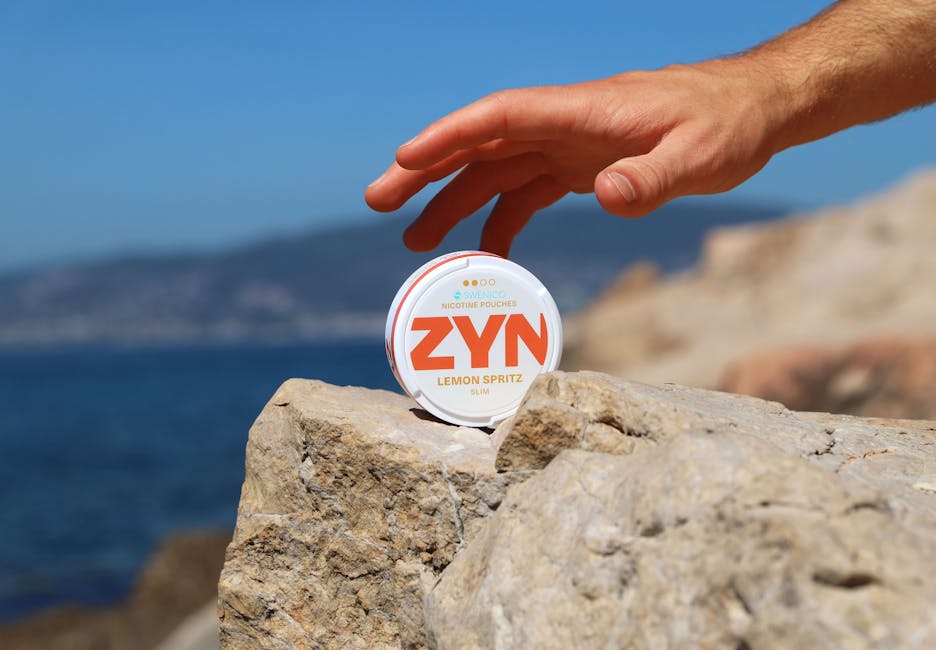
- Nicotine pouch sales have surged by over 300% globally in the past five years, according to WHO data.
- Youth, particularly in high school and college settings, are increasingly using nicotine pouches as a discreet and socially acceptable way to consume nicotine.
- Nicotine pouches are aggressively marketed with flavors appealing to minors, such as watermelon, mango, and bubblegum.
- The World Health Organization (WHO) is sounding the alarm on nicotine pouch brands targeting young people and exploiting regulatory gaps.
- Nicotine pouches deliver a steady dose of synthetic nicotine without smoke or vapor, making them odorless and spit-free.
In a quiet high school courtyard in Malmö, Sweden, a 16-year-old pulls a slim, mint-green pouch from her pocket and tucks it under her lip. She doesn’t smoke, she insists—this is just ‘clean nicotine.’ Miles away in Seattle, a college freshman swears by his citrus-flavored pouches to power through exams. From urban campuses to social media feeds, nicotine pouches have become a discreet, socially acceptable ritual among youth. But behind the sleek packaging and fruit-infused flavors lies a public health alarm. The World Health Organization (WHO) is now sounding the alarm: nicotine pouch brands are aggressively targeting young people, exploiting regulatory gaps, and fueling a new wave of addiction just as traditional cigarette use declines.
Nicotine Pouches on the Rise, Especially Among Youth

Sales of nicotine pouches have surged globally, with the market expanding by over 300% in the past five years, according to WHO data. These small, tobacco-free packets contain synthetic nicotine and are designed to be placed between the gum and lip, delivering a steady dose without smoke or vapor. Unlike cigarettes, they’re odorless, spit-free, and marketed as ‘smokeless’ and ‘tobacco-free’—terms that appeal to health-conscious users. But the real concern lies in their accessibility and appeal to minors. Flavors like watermelon, mango, and bubblegum dominate product lines, while brands leverage social media influencers and targeted ads on platforms like TikTok and Instagram. A 2023 study published in The Lancet Child & Adolescent Health found that adolescents who use nicotine pouches are four times more likely to transition to smoking within two years.
From Harm Reduction to Youth Gateway

Nicotine pouches were initially introduced as a harm reduction tool for adult smokers trying to quit. Companies like Swedish Match and newer entrants such as Zyn, sold by Swedish Match’s parent company Philip Morris International, positioned the products as cleaner alternatives to cigarettes. In Scandinavia, where snus has long been used by adults, the shift seemed logical. But as these products entered markets in the U.S., UK, and Southeast Asia, their marketing narratives shifted. Digital campaigns began emphasizing lifestyle, energy, and focus—messages that resonate more with students than with middle-aged smokers. Regulatory oversight has lagged: while cigarettes face strict advertising bans and age verification, nicotine pouches often slip through legal cracks. In many countries, they’re not classified as tobacco products, allowing them to be sold in convenience stores, gas stations, and online with minimal age checks.
The Players Behind the Pouch

The surge in nicotine pouch popularity is driven by a mix of legacy tobacco giants and agile startups. Philip Morris International, which rebranded itself as a ‘smoke-free future’ company, now heavily invests in Zyn, which accounts for over 60% of the U.S. pouch market. Similarly, British American Tobacco has launched its own line, Velo, across Europe and North America. These companies employ data-driven marketing strategies, using algorithms to target demographics most likely to experiment with nicotine. Public health advocates argue this mirrors tactics used decades ago to hook youth on cigarettes. ‘They’re repackaging addiction in pastel colors and fruit flavors,’ says Dr. Nandini Sarin, a tobacco control expert at the WHO. ‘The goal isn’t cessation—it’s market expansion among a new generation.’
Health Risks and Regulatory Gaps

Despite being tobacco-free, nicotine pouches are far from harmless. Nicotine is a highly addictive substance that affects brain development in adolescents, impairing memory, attention, and impulse control. The CDC warns that sustained use can increase heart rate and blood pressure, raising long-term cardiovascular risks. Moreover, because these products are unregulated in many regions, there’s little oversight on nicotine concentration or chemical additives. In 2022, the U.S. FDA issued warning letters to several manufacturers for illegal marketing to youth, but enforcement remains inconsistent. The WHO is now urging governments to classify nicotine pouches under existing tobacco control frameworks, restrict flavors, ban online sales to minors, and mandate health warnings on packaging.
The Bigger Picture
This isn’t just about one product—it’s about the future of nicotine dependence. As traditional smoking rates decline in high-income countries, the tobacco industry is pivoting to next-generation products that evade regulation and appeal to younger users. The rise of nicotine pouches underscores a recurring pattern: innovation in delivery, not in public health. If left unchecked, this trend could reverse decades of progress in tobacco control. The WHO’s warning is a call for preemptive action, not reactive policy. The tools exist—marketing bans, age verification, and public education—but they require political will and global coordination.
What comes next may depend on how swiftly governments respond. Some countries, like India and Thailand, have already banned nicotine pouches outright. Others are moving toward stricter labeling and advertising rules. But as long as these products remain easily accessible and socially normalized, the risk of a new addiction epidemic looms. The battle over nicotine is evolving—and this time, the front lines are in schools, social media, and convenience store aisles.
Source: WHO