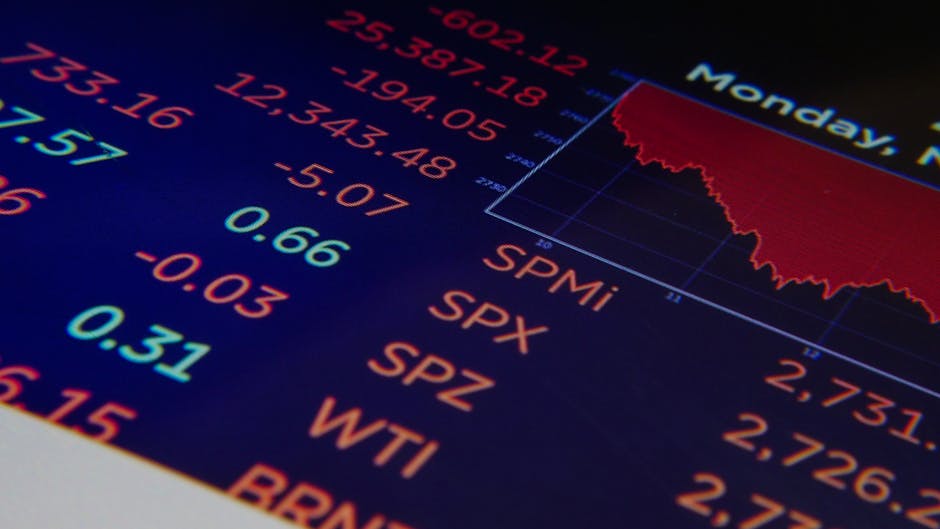
- The Dow Jones Industrial Average soared past 30,000 during Trump’s presidency, a staggering ascent cementing his claim as the ‘stock market president’.
- The stock market experienced wild swings, crashes, and detachment from Main Street due to tax cuts, deregulation, and global health crises.
- Every tweet, tariff, and trial sent markets spiraling, transforming Wall Street into a political battleground.
- The Trump market was marked by a 50% climb in the S&P 500 before the COVID-19 pandemic, outpacing most post-war presidencies.
- Tax cuts and deregulation fueled massive liquidity, but gains were uneven, with large-cap tech stocks leading the charge.
On a crisp January morning in 2017, the Dow Jones Industrial Average hovered just below 20,000 points—a psychological threshold that had taken decades to reach. By the time President Donald J. Trump left office in January 2021, it had soared past 30,000, a staggering ascent that cemented his claim as the ultimate “stock market president.” But behind the triumphant headlines lay a turbulent reality: wild swings, pandemic-driven crashes, and a market increasingly detached from Main Street. Investors danced between euphoria and dread, buoyed by tax cuts and deregulation, then blindsided by trade wars and global health crises. Wall Street became not just a barometer of economic health, but a political battleground—where every tweet, tariff, and trial could send markets spiraling. This was not just a bull market; it was a reflection of an era defined by disruption, populism, and the growing influence of personality over policy.
The Trump Market in Full Swing

Between Trump’s inauguration and the onset of the COVID-19 pandemic in early 2020, the S&P 500 climbed more than 50%, outpacing most post-war presidencies. The Tax Cuts and Jobs Act of 2017, which slashed corporate tax rates from 35% to 21%, injected massive liquidity into equities, fueling buybacks and dividend hikes. Deregulation across energy, finance, and telecommunications sectors further boosted investor confidence. But the gains were uneven—large-cap tech stocks led the charge, while small businesses and manufacturing lagged. The market’s resilience was tested in December 2018, when the Federal Reserve’s rate hikes and escalating U.S.-China trade tensions triggered a 20% correction in the S&P 500. Yet, swift policy pivots, including Fed rate cuts and trade truces, helped markets rebound rapidly. By February 2020, the Dow reached an all-time high—only to plunge 37% in a matter of weeks as the pandemic took hold. The Fed’s unprecedented $2.3 trillion stimulus and direct corporate lending programs stabilized markets, but critics argued the recovery favored asset owners over workers.
How We Got Here: Roots of the Rally

The so-called “Trump rally” didn’t emerge in a vacuum. It built on a decade-long bull market that began under President Barack Obama in the aftermath of the 2008 financial crisis. Low interest rates, quantitative easing, and corporate earnings growth had already laid the foundation for high valuations. Trump’s policies accelerated these trends rather than reversing them. His appointment of Jerome Powell’s predecessor, Janet Yellen, and later Powell himself, ensured continuity at the Federal Reserve—until he began publicly criticizing its leadership. The 2017 tax overhaul was the administration’s centerpiece, projected to add $1.9 trillion to the national debt over ten years, according to the Congressional Budget Office. While proponents hailed it as a growth catalyst, independent analyses from the Congressional Budget Office showed minimal long-term GDP impact. Instead, the benefits flowed disproportionately to shareholders and high-income earners, deepening wealth inequality.
The Architects of the Boom

Behind the market’s trajectory stood a cast of powerful figures. Trump himself treated the Dow as a personal approval meter, frequently touting highs and blaming lows on political enemies. Treasury Secretary Steven Mnuchin championed the tax cuts as a “once-in-a-generation” opportunity. Federal Reserve Chair Jerome Powell, initially praised by Trump, later endured relentless attacks for not cutting rates aggressively enough. Wall Street titans like JPMorgan’s Jamie Dimon and BlackRock’s Larry Fink navigated the volatility, advocating for stability while reaping the benefits of rising asset prices. On the other side, economists like Paul Krugman and Joseph Stiglitz warned of unsustainable deficits and speculative bubbles. Meanwhile, retail investors, empowered by zero-fee trading apps like Robinhood, poured into markets during the pandemic, turning stocks like GameStop into cultural flashpoints. The line between investment and ideology blurred, with Tesla’s Elon Musk and Trump himself becoming symbols of anti-establishment capitalism.
Consequences for Workers and Wealth Holders

The divergence between Wall Street and Main Street became one of the era’s defining features. While the wealthiest 10% of Americans own 89% of stocks, nearly half of U.S. households have no stock market exposure, according to the Federal Reserve. As equities surged, wage growth remained modest, and labor’s share of national income declined. The pandemic laid bare these disparities: mass unemployment coincided with record-breaking IPOs and billionaire wealth accumulation. Small businesses struggled, while Amazon and Walmart thrived. Critics argued that the Fed’s asset purchases inflated financial markets without translating into broad-based prosperity. The political fallout was palpable—rising populist sentiment on both the left and right questioned whether the economy was rigged in favor of the connected and the wealthy.
The Bigger Picture
The Trump market era underscores a broader transformation in capitalism: one where monetary policy, fiscal stimulus, and political spectacle converge to shape economic outcomes. It revealed the limits of stock performance as a measure of national well-being. Markets may reward short-term gains, but long-term resilience depends on inclusive growth, innovation, and institutional trust—none of which are captured in a Dow Jones ticker. As future leaders grapple with inflation, debt, and technological disruption, the lessons of this period remain urgent: economic policy cannot be reduced to market averages, and sustainable prosperity must lift more than just portfolios.
What comes next may depend less on any single president and more on how institutions respond to increasing pressure from inequality, climate risk, and digital transformation. The Trump-driven market surge was a product of its time—fueled by debt, deregulation, and disruption. Whether the next chapter writes a more balanced story will depend on who gets to shape it.
Source: CNBC