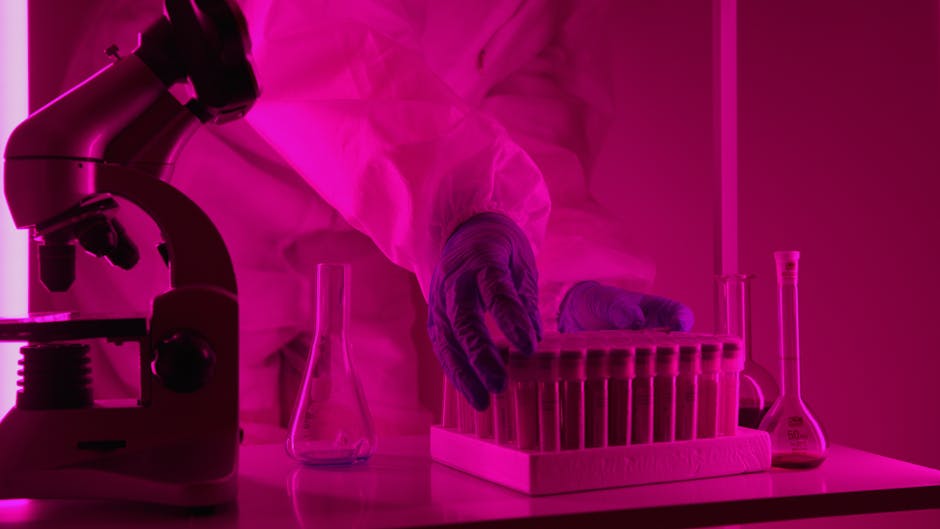
- Psilocybin, a compound found in magic mushrooms, has shown promising results in treating treatment-resistant depression in UK trials.
- Up to 70% of participants in clinical trials experienced clinically significant improvement in symptoms within four weeks of a single psilocybin session.
- Effects of psilocybin have been reported to last up to six months in some cases, providing long-term relief for patients.
- Unlike traditional antidepressants, psilocybin has shown rapid effects, often within a single session, with minimal side effects.
- UK researchers are leading the charge in investigating the potential of psilocybin as a revolutionary new treatment for major depressive disorder.
On a quiet morning in West London, inside a softly lit room at Imperial College’s Centre for Psychedelic Research, a 42-year-old woman named Sarah reclines on a couch, wearing noise-canceling headphones and eyeshades. A trained therapist sits nearby, monitoring her vital signs. She has ingested a carefully measured dose of psilocybin—the psychoactive compound found in magic mushrooms—part of a pioneering trial for treatment-resistant depression. For the first time in over a decade, she reports later, she felt ‘untethered from the weight of her mind.’ Her experience is not unique. Across the UK, a quiet revolution is unfolding in mental health care, as rigorous scientific inquiry breathes new life into once-marginalized psychedelic therapies.
\n\n
Psilocybin Trials Yield Promising Results

\n
Since 2022, the UK has hosted over a dozen clinical trials investigating psilocybin as a treatment for major depressive disorder, particularly in patients who have not responded to conventional antidepressants. These studies, funded by the Medical Research Council and conducted at institutions like Imperial College London and King’s College, have reported striking outcomes: up to 70% of participants showed clinically significant improvement in symptoms within four weeks of a single psilocybin session, with effects lasting up to six months in some cases. Unlike daily SSRIs, which can take weeks to manifest effects and often come with side effects like fatigue and sexual dysfunction, psilocybin therapy involves a single, supervised dosing session combined with intensive psychotherapy before and after. The 2023 study published in Nature Medicine demonstrated that psilocybin increased neural plasticity and disrupted maladaptive thought patterns more effectively than escitalopram, a commonly prescribed SSRI.
\n\n
The Long Road from Prohibition to Prescription

\n
Psilocybin was first isolated in 1958 by Swiss chemist Albert Hofmann, but by the late 1960s, it became entangled in the counterculture movement and was subsequently classified as a Schedule 1 drug in the UK and US, deemed to have ‘no accepted medical use.’ For decades, research stalled under legal and ethical restrictions. The revival began in the 2010s, led by institutions in the US and Switzerland, where early pilot studies showed safety and efficacy in treating depression and end-of-life anxiety. In the UK, the turning point came in 2021, when the Home Office granted special licenses to Imperial College to conduct controlled trials. The momentum built further in 2022 when the NHS announced a £10 million investment in psychedelic research, marking a dramatic shift from skepticism to cautious optimism. This new era is defined by rigorous methodology, ethical oversight, and a focus on integration—ensuring patients process their experiences with professional support.
\n\n
Scientists, Advocates, and the Push for Change

\n
At the heart of this transformation are researchers like Dr. Robin Carhart-Harris, former head of the Centre for Psychedelic Research at Imperial, and Professor David Nutt, a neuropsychopharmacologist and outspoken advocate for evidence-based drug policy reform. Their work has been instrumental in reframing psychedelics not as recreational hazards but as tools for neuroplasticity and emotional breakthrough. Meanwhile, patient advocacy groups such as Drug Science and the Psychedelic Access Fund have amplified the voices of those failed by traditional treatments, pushing for equitable access. Pharmaceutical companies, including Compass Pathways and Small Pharma, are also investing heavily, developing synthetic psilocybin formulations tailored for clinical use. Yet tensions remain: some clinicians worry about the risks of unregulated use, while ethicists caution against commercializing profound psychological experiences.
\n\n
Implications for Patients and the NHS

\n
If psilocybin therapy gains formal approval, it could reshape the landscape of mental health treatment in the UK. For the estimated 3 million Britons with treatment-resistant depression, it offers new hope. But scaling such a model presents challenges. Psilocybin sessions require extensive therapist training, secure environments, and follow-up care—resources the overstretched NHS may struggle to provide. There are also concerns about equity: without public funding, access could be limited to those who can afford private clinics, potentially emerging in cities like London and Manchester. Regulatory bodies, including the MHRA, are evaluating whether to reclassify psilocybin, which would allow prescription use. The NHS has indicated it may pilot limited rollout programs by 2026, pending further data.
\n\n
The Bigger Picture
\n
Beyond depression, the resurgence of psychedelic research signals a broader reevaluation of how society treats mental illness. For too long, psychiatry has prioritized symptom management over healing. Psilocybin therapy, with its emphasis on emotional insight and neurobiological renewal, represents a paradigm shift—one that aligns with growing recognition of the mind’s capacity for transformation. As other countries, including Australia and Canada, move toward legalizing psychedelic-assisted therapy, the UK risks falling behind—or leading the charge. The debate is no longer whether psychedelics work, but how to integrate them responsibly into medicine.
\n\n
What comes next is a delicate balancing act: advancing science without overpromising, expanding access without compromising safety, and honoring the profound psychological journeys these therapies unlock. The NHS stands at a crossroads. If it chooses wisely, a mushroom may indeed become one of the most powerful tools in modern psychiatry.
Source: BBC