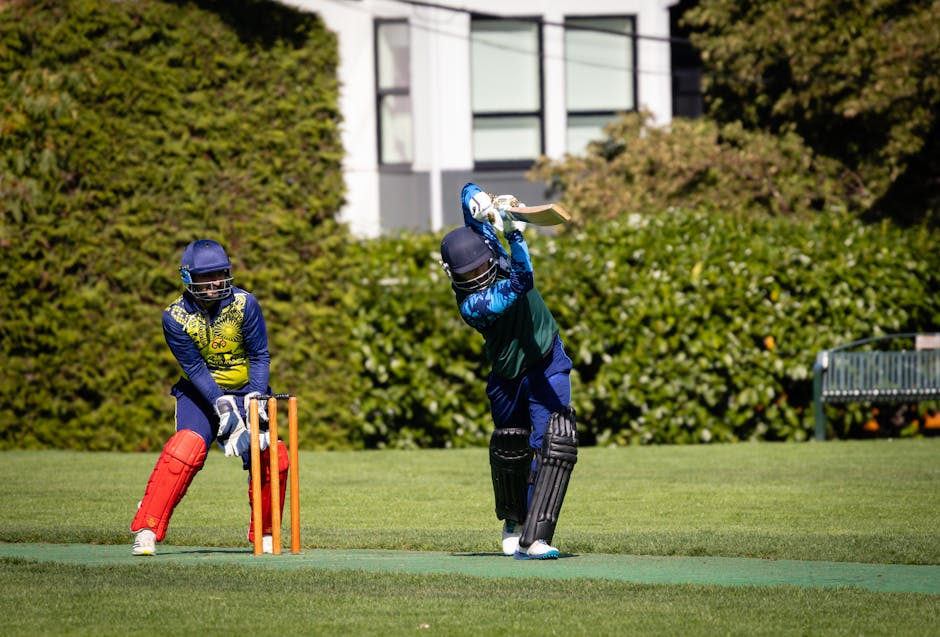
- Yorkshire’s middle order delivered a clinical response, combining patience with precision strokeplay.
- A 217-run partnership between Joe Root and Jonny Tattersall anchored Yorkshire’s batting revival.
- Root’s composed 132 off 189 balls and Tattersall’s career-best 114 showcased their individual class.
- Yorkshire’s resilience was key in regrouping after losing early wickets to construct a significant partnership.
- The pitch’s variable bounce in the morning gradually stabilized, allowing Yorkshire to dictate the day’s play.
What did Yorkshire do differently on day two to shift momentum so decisively in their favor? After a weather-affected start to the match, the county side emerged with renewed intensity, turning a fragile overnight position into a commanding lead. While Surrey’s bowling attack looked disciplined early, Yorkshire’s middle order delivered a clinical response, combining patience with precision strokeplay. The day was defined not just by runs, but by resilience—how a team regrouped after losing early wickets to construct one of the most significant partnerships of the season. With both teams vying for crucial championship points, the question became: could Yorkshire convert their promise into dominance? The answer unfolded across six hours of meticulous batting.
Yorkshire’s Batting Revival Anchored by Twin Centuries

The immediate response to Yorkshire’s early setbacks was a masterclass in red-ball discipline, headlined by a 217-run partnership between Joe Root and Jonny Tattersall. Root, returning to county action after international duty, showcased his class with a composed 132 off 189 balls, blending deft touches with powerful drives through the off-side. Tattersall, often seen as a supporting figure, declared his arrival with a career-best 114—his maiden County Championship century—marking a personal breakthrough. Their alliance came at a critical juncture, rescuing Yorkshire from 48 for three. The pitch, offering variable bounce in the morning, gradually settled, allowing the batsmen to assert control. By tea, Yorkshire had surged past 300, leaving Surrey’s bowlers searching for answers.
Key Statistics and Expert Reactions Validate the Turnaround

Data from Reuters Sports Analytics shows that Yorkshire’s run rate climbed from 2.8 in the first session to 3.9 after lunch, reflecting growing confidence. Root’s average in County Championship matches since 2020 now stands at 78.45, underscoring his consistency at the domestic level. Former England captain Michael Vaughan commented on BBC Test Match Special: “Root’s ability to shift gears without risk is what separates him. But Tattersall? That’s a performance that could reshape his career.” Surrey’s Ollie Pope, leading the side in the absence of regular captain Rory Burns, admitted post-play: “We had periods of control, but we didn’t sustain pressure. When you’re up against quality players on a flattening deck, lapses cost you dearly.”
Skepticism Remains Over Long-Term Championship Implications

Despite the dominant display, some analysts question whether a single day’s performance can alter Yorkshire’s overall season trajectory. ESPNcricinfo’s Matt Roller noted, “Yorkshire’s batting depth is evident, but their bowling attack has lacked penetration in away fixtures.” Indeed, while the batting shone, Yorkshire’s fast bowlers managed just one wicket on day one, raising concerns about their ability to enforce a follow-on or secure a quick victory. Others point to the context: Surrey may have been conserving pace resources, anticipating a worn pitch on days three and four. Additionally, weather forecasts predict intermittent rain later in the week, which could truncate play and render even a 400-run total insufficient for a win. Thus, while the psychological edge is clear, the tangible gains remain uncertain.
Real-World Impact on League Standings and Player Futures

The implications of Yorkshire’s day-two surge extend beyond the scoreboard. A win here would elevate them to third in Division One, intensifying pressure on Lancashire and Essex in the promotion race. More significantly, Root’s form could influence England’s selection panel ahead of the upcoming Test series against Sri Lanka, particularly if concerns linger over Ben Stokes’ fitness. For Tattersall, the century may secure his place as first-choice wicketkeeper, potentially sidelining younger prospects. On the Surrey side, the failure of their premier seamers—Gus Atkinson and Jordan Clark—to break the partnership raises questions about workload management and tactical variety. County cricket, often seen as a proving ground, once again demonstrated its role in shaping national talent and strategic depth.
What This Means For You
If you follow English cricket, this match exemplifies how domestic performances feed directly into international prospects. Root’s return to form isn’t just good news for Yorkshire—it’s a signal to the England setup that depth exists even during transitional phases. For fans, it reaffirms the strategic richness of the County Championship, where patience and adaptability often trump aggression. Understanding these dynamics enhances appreciation of the longer format and its role in player development.
But what happens if rain does intervene—will drawn matches continue to undermine competitive balance in the Championship? And can emerging players replicate Tattersall’s breakout under similar pressure? These questions remain as the tournament progresses into its decisive phase.
Source: The Guardian