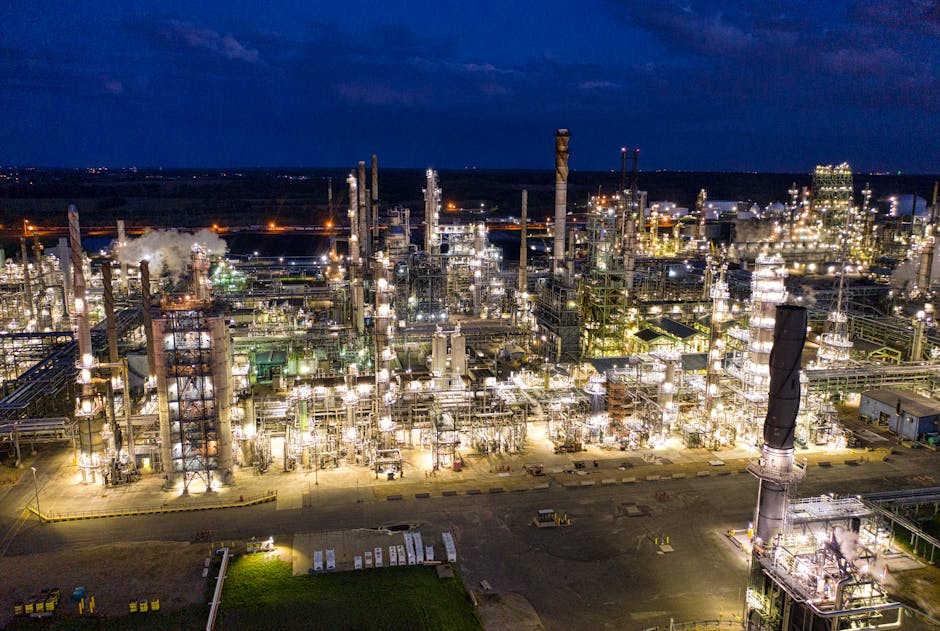
- The UAE is investing in a $20 billion infrastructure project to reduce its reliance on the Strait of Hormuz for oil transportation.
- The Energy Security Corridor will transport crude and containerized cargo via rail, pipeline, and inland ports across the Arabian Peninsula.
- The UAE aims to redirect up to 4 million barrels of oil per day around the Strait, lowering exposure to regional conflict.
- The UAE’s decision to leave OPEC marked a turning point in its energy sovereignty and regional strategy.
- The Energy Security Corridor will link Abu Dhabi’s Ruwais industrial zone to a newly expanded port on the Red Sea coast in Saudi Arabia.
One-third of the world’s seaborne oil passes through the Strait of Hormuz, a 21-mile-wide waterway flanked by Iran and Oman—making it the planet’s most critical energy chokepoint. Now, following its formal exit from OPEC in early 2025, the United Arab Emirates is moving aggressively to reduce its dependence on this volatile artery. The UAE has announced a $20 billion infrastructure initiative—dubbed the ‘Energy Security Corridor’—to transport crude and containerized cargo across the Arabian Peninsula via rail, pipeline, and inland ports. This ambitious project, scheduled for partial operation by 2028, aims to redirect up to 4 million barrels of oil per day around the Strait, dramatically lowering exposure to regional conflict and Iranian naval posturing.
A Strategic Shift in Gulf Energy Policy

The UAE’s decision to leave OPEC marked a turning point in its energy sovereignty, but its new overland corridor project underscores a deeper recalibration of regional strategy. For decades, Gulf states have relied on Persian Gulf ports like Fujairah and Jebel Ali, all of which require passage through the Strait of Hormuz to reach global markets. With Iran having repeatedly threatened to close the strait during periods of tension—with actions including tanker seizures and naval exercises—the UAE is treating energy logistics as a national security issue. The corridor will link Abu Dhabi’s Ruwais industrial zone to a newly expanded port on the Red Sea coast in Saudi Arabia’s Gulf of Aqaba, effectively creating a bypass that avoids Iranian-controlled waters altogether. Analysts at the International Energy Agency (IEA) have called the plan ‘a geopolitical insurance policy disguised as infrastructure.’
Building the Energy Security Corridor

The backbone of the initiative is a dual-use pipeline and rail network stretching over 1,200 kilometers from the UAE’s western oil fields to the Saudi border, where it will connect with existing Saudi logistics routes to the Port of Duba and eventually Aqaba. The pipeline will carry up to 2.5 million barrels of crude per day, while the parallel rail line will move liquefied natural gas, refined products, and commercial freight. Abu Dhabi National Oil Company (ADNOC) is leading the UAE side, partnering with Saudi Arabia’s Aramco and the Saudi Public Investment Fund (PIF), which is contributing nearly $7 billion in financing. Construction is already underway in the Al Gharbia region, with satellite imagery from Reuters revealing rapid progress on key segments. The project also includes upgrades to inland storage facilities and digital monitoring systems to prevent sabotage or leaks.
Geopolitical and Economic Drivers

The corridor is as much a response to shifting alliances as it is to physical risk. Since 2023, Iran has intensified its presence in the Gulf, conducting frequent naval drills and supporting Houthi attacks on shipping in the Red Sea. Meanwhile, the UAE has strengthened defense and economic ties with Saudi Arabia, Egypt, and India, all of which support alternative trade routes. Economically, the project insulates UAE exports from global insurance spikes that typically follow Strait-related incidents—marine war risk premiums can jump over 300% during crises. According to a 2025 Gulf Economic Outlook report by the Institute for International Finance, ‘the UAE’s corridor could reduce annual shipping costs by $1.2 billion under high-tension scenarios.’ Strategically, it also deepens economic integration with Saudi Arabia, advancing Crown Prince Mohammed bin Salman’s vision of a ‘Gulf logistics superhighway’ that could rival Suez in importance.
Implications for Global Trade and Energy Markets

If completed as planned, the Energy Security Corridor will reshape Middle Eastern supply chains and weaken Iran’s leverage over global energy flows. India, Europe, and East Asia—major importers of Gulf oil—stand to benefit from more stable delivery routes. But the project also risks escalating regional tensions; Tehran has already denounced it as a ‘provocation’ and a ‘violation of regional stability.’ Domestically, the UAE will face challenges including water scarcity in arid construction zones, cross-border regulatory coordination, and cybersecurity threats to automated systems. Moreover, environmental groups have raised concerns about the corridor’s impact on desert ecosystems and carbon emissions from expanded fossil fuel transport. Still, the UAE sees the project as essential to maintaining its role as a top-three oil exporter beyond 2030, especially as OPEC’s influence wanes.
Expert Perspectives
Opinions are divided on the corridor’s long-term viability. Dr. Hafiz Mirza, Gulf energy analyst at the Chatham House Middle East Program, calls it ‘a bold and necessary hedge against Iranian coercion.’ In contrast, Dr. Leila Alavi of Tehran University argues the project ‘exacerbates regional fragmentation and could trigger asymmetric responses from Iran.’ Meanwhile, logistics experts at the Dubai-based Gulf Trade Forum praise the rail integration as ‘a model for multimodal resilience,’ but warn that over-reliance on Saudi cooperation introduces new political dependencies. Some Western analysts suggest the corridor may also serve as a backdoor for sanctions-busting if not properly monitored.
Looking ahead, the success of the Energy Security Corridor will depend on sustained investment, regional diplomacy, and the trajectory of Iran-Gulf relations. By 2029, the UAE aims to have 60% of its oil exports routed via the corridor. However, questions remain about scalability, maintenance costs, and whether other Gulf states like Kuwait or Qatar will join the initiative. As global energy markets grow more multipolar, the UAE’s push for logistical independence may set a precedent for resource-rich nations seeking to bypass geopolitical chokepoints—not just in the Middle East, but around the world.
Source: Reddit