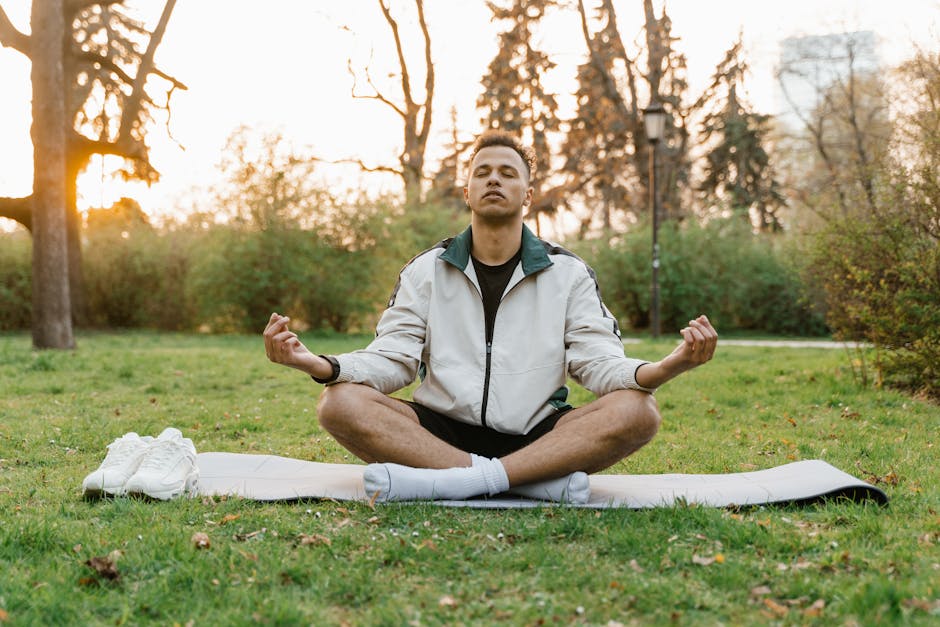
- Slow breathing can be an effective tool for calming the mind without conscious involvement or mindfulness practices.
- The relaxation response, triggered by slow breathing, leads to a decrease in heart rate and blood pressure, promoting relaxation.
- Slow breathing activates the parasympathetic nervous system, which reduces stress and promotes calmness.
- Research shows that slow breathing can have a positive impact on both physical and mental health.
- This technique is more accessible for individuals who struggle with traditional mindfulness practices.
As the world grapples with increasing stress and anxiety levels, researchers have been exploring various techniques to help individuals calm their minds. One question on everyone’s mind is whether thinking about one’s breath is essential for achieving a calm state. Recent studies have shed light on this topic, indicating that slow breathing can be an effective tool for calming the mind, even without conscious involvement or mindfulness practices.
Understanding the Role of Breathing in Calming the Mind

The answer to this question lies in the body’s physiological response to slow breathing. When we breathe slowly, our heart rate slows down, and our blood pressure decreases, leading to a state of relaxation. This phenomenon is often referred to as the relaxation response. Research has shown that slow breathing can activate the parasympathetic nervous system, which promotes calmness and reduces stress. Interestingly, this effect can be achieved without the need for mindfulness or conscious focus on the breath, making it a more accessible technique for individuals who struggle with traditional mindfulness practices.
Examining the Evidence

Studies have consistently shown that slow breathing can have a positive impact on both physical and mental health. For example, a study published on Nature found that slow breathing can reduce symptoms of anxiety and depression. Another study by the National Institutes of Health discovered that slow breathing can lower blood pressure and heart rate in individuals with hypertension. These findings suggest that slow breathing can be a valuable tool for managing stress and promoting overall well-being, even in the absence of mindfulness practices.
Counter-Perspectives and Limitations

While the evidence supporting the effectiveness of slow breathing is compelling, some researchers argue that mindfulness and conscious awareness of the breath are still essential for achieving optimal results. They suggest that the benefits of slow breathing may be enhanced when combined with mindfulness practices, such as meditation or yoga. Additionally, some individuals may find it challenging to adopt slow breathing as a habit, particularly if they are accustomed to faster breathing patterns. However, these counter-perspectives do not diminish the potential benefits of slow breathing as a standalone technique for calming the mind.
Real-World Implications

The discovery that slow breathing can calm the mind without mindfulness has significant real-world implications. For instance, it could be used as a tool for managing stress and anxiety in individuals who struggle with traditional mindfulness practices. Slow breathing techniques could also be incorporated into existing therapy programs or used as a complementary approach to other relaxation methods. Furthermore, the accessibility of slow breathing makes it an attractive option for individuals who lead busy lives or have difficulty committing to regular mindfulness practices.
What This Means For You
In practical terms, the findings on slow breathing suggest that individuals can benefit from incorporating this technique into their daily routine, regardless of their ability to practice mindfulness. By taking a few minutes each day to focus on slow, deliberate breaths, individuals can potentially reduce their stress levels and promote a sense of calm. This technique can be especially useful in high-pressure situations or during periods of intense anxiety.
As researchers continue to explore the benefits and limitations of slow breathing, an intriguing question remains: what other physiological responses can be harnessed to promote relaxation and reduce stress? Further investigation into this topic may uncover new techniques and strategies for managing anxiety and promoting overall well-being, ultimately leading to a better understanding of the complex relationships between breathing, mindfulness, and mental health.
Source: New Scientist