- Scientists have discovered a natural alternative to toxic sunscreens: gadusol, a UV-absorbing compound produced in fish eggs.
- Gadusol has been engineered to be efficiently synthesized by bacteria, making it a sustainable and scalable option.
- Unlike traditional UV filters, gadusol has antioxidant and anti-aging properties, making it a multifunctional skincare candidate.
- Conventional sunscreen ingredients are banned in regions due to their environmental impact, highlighting the need for alternatives like gadusol.
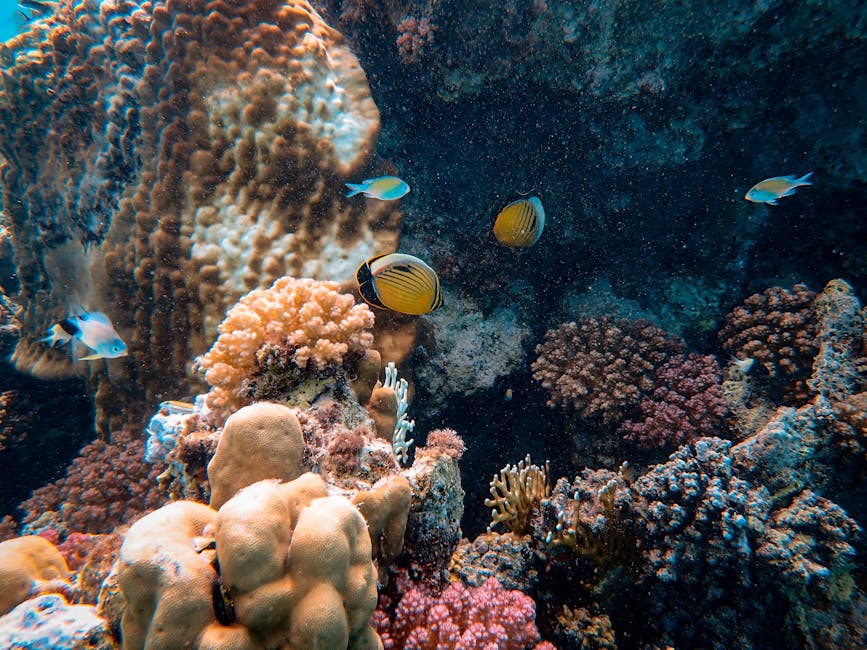
- Gadusol occurs naturally in marine life and is biosynthesized without toxic byproducts, reducing the risk of coral bleaching.
Each year, over 14,000 tons of sunscreen wash off swimmers into oceans, contributing to coral bleaching and marine ecosystem collapse—particularly from chemicals like oxybenzone and octinoxate. Now, scientists have identified a promising natural alternative: gadusol, a UV-absorbing compound naturally produced in the eggs of zebrafish and other marine species. In a groundbreaking development, researchers have successfully engineered Escherichia coli bacteria to synthesize gadusol efficiently, opening the door to sustainable, scalable production of a biodegradable sunscreen that could protect both human skin and fragile marine environments. Unlike conventional UV filters, gadusol is not only effective at absorbing ultraviolet radiation but also shows antioxidant and anti-aging properties, making it a multifunctional candidate for next-generation skincare products.
Why This Discovery Matters for Marine and Human Health

The environmental toll of traditional sunscreen ingredients has prompted bans in regions like Hawaii, Palau, and the U.S. Virgin Islands, where coral reefs—critical to biodiversity and coastal protection—are under severe threat. Chemical UV filters disrupt coral reproduction, cause DNA damage, and accelerate bleaching. Gadusol, by contrast, occurs naturally in marine life and is biosynthesized without toxic byproducts. Its discovery as a viable sunscreen alternative stems from evolutionary biology: fish, amphibians, and even some reptiles produce gadusol endogenously as a protective mechanism against solar radiation. Until recently, extracting gadusol from natural sources was impractical due to low yields. Now, by inserting genes from zebrafish into E. coli, scientists have turned the bacteria into microscopic factories capable of churning out the compound at industrial scales—a development that could revolutionize both dermatology and marine conservation.
Engineering Bacteria to Mimic Fish Biochemistry

The research, led by teams at the University of Oregon and the University of Cambridge, identified the two key enzymes in zebrafish responsible for gadusol synthesis: TMT (trimethyltransferase) and DHQS (dehydroquinate synthase). By cloning the genes encoding these enzymes into E. coli, the researchers reprogrammed the bacteria to convert glucose into gadusol through a biosynthetic pathway. The modified strains produced milligrams of gadusol per liter of culture, a yield sufficient for commercial development. Crucially, the process is sustainable—relying on fermentation rather than petrochemicals—and avoids the ethical and ecological concerns tied to animal harvesting. The study, published in Nature Communications, confirms that the bioengineered gadusol matches the molecular structure and UV-absorption profile of its naturally occurring counterpart, validating its potential for use in topical applications.
How Gadusol Stacks Up Against Conventional Sunscreens

Analytical studies show that gadusol absorbs UV radiation primarily in the UVA and UVB range (280–360 nm), comparable to many synthetic filters. But its benefits extend beyond photoprotection. Laboratory tests indicate gadusol neutralizes free radicals, reducing oxidative stress in skin cells—a key factor in aging and skin cancer. Unlike chemical sunscreens that can penetrate the bloodstream and disrupt endocrine function, gadusol appears to act primarily on the skin’s surface and degrades naturally in water. Furthermore, E. coli-based production is cost-effective and scalable, potentially making gadusol cheaper than plant-derived alternatives like mycosporine-like amino acids (MAAs). Regulatory approval will require full toxicology and photostability testing, but early data suggest gadusol could meet safety standards set by the FDA and the European Commission.
Implications for the Cosmetic Industry and Ocean Conservation

If commercialized, gadusol could transform the $15 billion global sunscreen market by offering a reef-safe, vegan, and high-performance alternative. Coastal nations and marine sanctuaries may fast-track approval for gadusol-based products to protect coral ecosystems. For consumers, the compound could feature in lotions, sprays, and cosmetics with added anti-aging benefits. Aquaculture operations might also adopt the technology to enhance UV resistance in fish hatcheries. However, challenges remain: formulation stability, consumer acceptance, and intellectual property rights over genetically modified production strains. Still, with rising demand for clean beauty products and tightening regulations on harmful UV filters, gadusol represents a timely solution at the intersection of biotechnology and environmental stewardship.
Expert Perspectives
“This is synthetic biology at its best—using nature’s blueprint to solve human and ecological problems,” says Dr. Elizabeth Marchionni, a marine biotechnologist at Woods Hole Oceanographic Institution, who was not involved in the study. However, some experts urge caution. Dr. Rajiv Khanna of the American Academy of Dermatology notes, “Natural doesn’t always mean safer. Rigorous clinical trials are essential before any claim of efficacy or safety can be made.” While enthusiasm is high, researchers agree that long-term studies on skin absorption, photodegradation, and environmental impact are necessary before widespread use.
Looking ahead, the next phase involves optimizing gadusol yield and integrating it into stable cosmetic formulations. Scientists are also exploring whether engineered yeast or algae could serve as alternative production platforms. As climate change intensifies UV exposure and degrades marine habitats, the race is on to develop sunscreens that protect both people and the planet. Gadusol, born in fish eggs and forged in bacteria, may be the leading candidate in this new era of bio-inspired sun protection.
Source: New Scientist