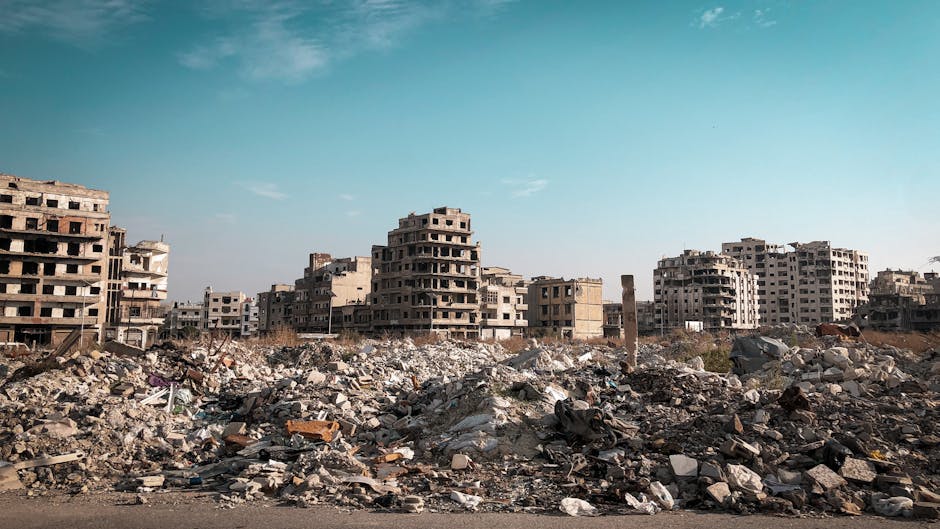
- A recent study found that halting U.S. foreign aid through USAID led to a 10% increase in global violence.
- The surge in violence began within weeks of aid cessation and persisted for months, suggesting a strong correlation between aid and regional stability.
- Researchers analyzed data from over 100 countries between 2010 and 2023 to determine the impact of USAID disruptions.
- Conflict indicators rose by 10% after aid suspension, with incidents of armed fighting increasing by 6.9% and battle-related fatalities by 9.3%.
- The study suggests that aid programs serve as stabilizing forces, not just humanitarian gestures.
Halting U.S. foreign aid through USAID was followed by a significant increase in global violence, according to a recent study published in the journal Science Advances. The research found that after temporary suspensions of aid in several regions, protests and riots jumped by 10%, incidents of armed fighting rose by 6.9%, and battle-related fatalities increased by 9.3%. The surge in violence began within weeks of aid cessation and persisted for months, suggesting a strong correlation between development assistance and regional stability.
Sharp Uptick in Conflict Metrics

Researchers analyzed data from over 100 countries between 2010 and 2023, focusing on regions that experienced abrupt USAID disruptions due to political decisions or funding reallocations. They observed that conflict indicators began rising within three weeks of aid suspension. “The speed and consistency of the response suggest that aid programs aren’t just humanitarian gestures—they serve as stabilizing forces,” said lead author Dr. Elena Martinez of the University of California, Berkeley. The study, available via Science Advances, controlled for economic, political, and environmental factors.
International and Local Reactions

Humanitarian organizations and foreign policy experts have voiced concern over the findings. The United Nations Development Programme issued a statement emphasizing that development aid helps address root causes of conflict, such as poverty and inequality. Local leaders in affected regions, including parts of sub-Saharan Africa and Central America, reported that suspended aid led to the closure of community centers, reduced food security, and increased youth recruitment by armed groups. “When support vanishes, desperation grows,” said Fatoumata Keita, a civil society leader in Mali.
Where This Stands Now

While USAID has resumed most programs, the study’s authors urge policymakers to consider the security implications of future aid cuts. They recommend embedding conflict impact assessments into foreign aid decision-making. Some members of Congress are now reviewing the data as part of broader discussions on foreign assistance budgets. Researchers plan to expand their analysis to include long-term outcomes, including migration patterns and extremist activity.
Source: Time