- Dating among adults over 50 is on the rise, with nearly 30% of online daters in the US now in this age group.
- Divorce rates among older adults are increasing, contributing to a surge in dating activity in this age group.
- Longer lifespans and greater digital literacy among older generations are also driving the growth of online dating among adults over 50.
- Research on dating has historically focused on younger adults, leaving a knowledge gap when it comes to older adults’ romantic behaviors and preferences.
- Modern romance among older adults is often complex, involving discussions of grown children, retirement plans, and medical histories.
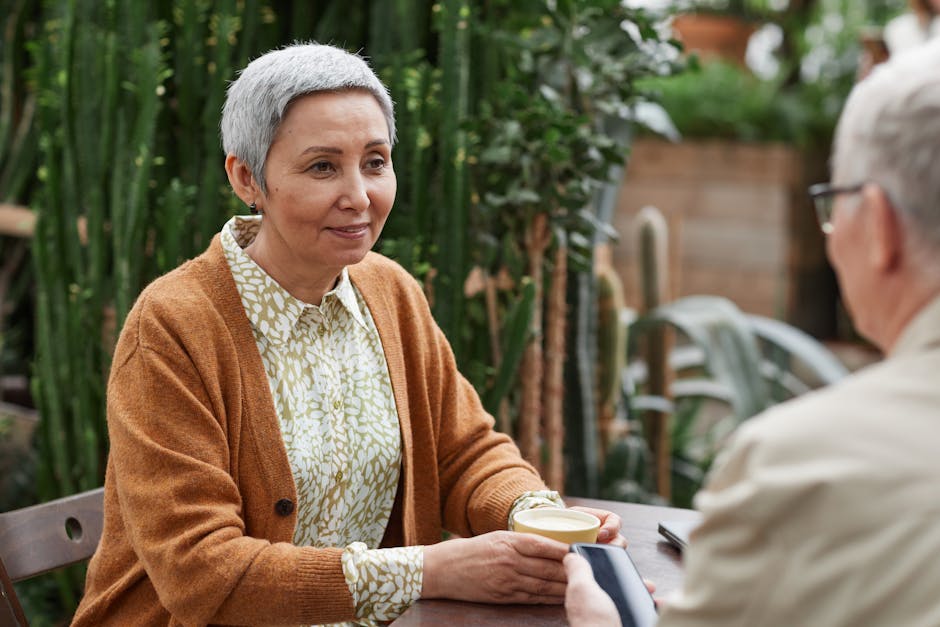
On a crisp Tuesday evening in Portland, Oregon, Margaret, 62, adjusts her scarf in the mirror before stepping into a quiet Italian bistro. Across the table, David, 68, smiles as he sets down two glasses of red wine. Neither has been on a first date in over twenty years. Both recently divorced after decades-long marriages. Their conversation, easy and peppered with laughter, mirrors that of younger couples—but their emotional landscape is far more complex. They speak of grown children, retirement plans, medical histories. This is modern romance in later life: intimate, intentional, and largely uncharted by science. Until recently, the study of dating has been dominated by research on college students and millennials swiping on apps. But as divorce rates among older adults climb and life expectancy increases, a quiet revolution in love is unfolding—largely beyond the reach of empirical inquiry.
Dating After 50 Is on the Rise

Demographic trends suggest a significant shift in romantic behavior among older adults. According to a 2023 Pew Research Center report, nearly 30% of online daters in the U.S. are now aged 50 and older—a sharp increase from just 14% in 2013. Among adults over 65, the use of dating sites has more than tripled in the past decade. This rise is fueled by several factors: higher divorce rates in midlife, longer lifespans, and greater digital literacy among older generations. Yet despite these trends, academic research into late-life dating remains sparse. Most peer-reviewed studies on romantic relationships still focus on adolescents and young adults, with less than 5% of articles in major psychology journals addressing love and intimacy in later life. The consequences of this gap are more than academic: healthcare providers, therapists, and policymakers lack evidence-based guidance for supporting emotional well-being in an aging population increasingly open to new relationships.
The Long Neglect of Late-Life Romance

The oversight is rooted in longstanding assumptions about aging and sexuality. For much of the 20th century, popular and scientific narratives framed older adulthood as a period of sexual and emotional decline. Influential theories, such as Erik Erikson’s stages of psychosocial development, implied that intimacy was primarily a young person’s domain. Even as late as the 1990s, medical textbooks often described sexuality in older adults as diminished or dysfunctional. This bias extended to research funding and publication priorities. Meanwhile, cultural stereotypes—older adults as asexual, lonely, or set in their ways—perpetuated the idea that romance after 50 was rare or irrelevant. It wasn’t until the 2000s, with the rise of internet dating and high-profile examples like George Clooney and Bill Clinton finding love later in life, that public perception began to shift. Still, scientific inquiry lagged, leaving a vast demographic underserved by both data and discourse.
The Researchers Rewriting the Narrative

A small but growing cohort of social scientists is now challenging these assumptions. Dr. Susan Whitbourne, a developmental psychologist at the University of Massachusetts Amherst, has been a pioneer in studying identity and relationships in mid-to-late life. Her longitudinal work highlights how older adults often seek deeper emotional connection rather than casual encounters. Similarly, Dr. Megan Robbins at the University of California, Riverside, has begun analyzing how communication styles in dating evolve with age. These researchers argue that older daters bring unique strengths—emotional maturity, clearer values, and better conflict-resolution skills—while facing distinct challenges, such as navigating family dynamics or managing health disclosures. Their work is slowly gaining traction, with recent grants from the National Institute on Aging supporting studies on loneliness, remarriage, and digital dating behaviors in adults over 50. But they remain outnumbered by those focused on youth.
What This Means for Older Adults and Society

The implications of understanding late-life dating extend beyond personal fulfillment. Romantic relationships in later life are linked to better mental and physical health, including lower rates of depression and longer life expectancy. For divorced or widowed seniors, new partnerships can ease the burden on social support systems. Conversely, the stigma around older adults dating can discourage openness and lead to isolation. Clinicians, too, are affected: therapists trained in couples counseling often lack frameworks for addressing issues like late-life cohabitation or blended families with adult children. Moreover, the design of dating platforms—often optimized for younger users—can alienate older adults with less tech experience or different expectations. Without robust research, well-intentioned interventions may miss the mark, reinforcing rather than reducing inequities in emotional well-being.
The Bigger Picture
This research gap reflects a broader societal blind spot: the marginalization of older adults in conversations about identity, desire, and connection. As life expectancy rises and more people live decades beyond retirement, the notion that love ends at 50 becomes not just outdated, but dangerous. Ignoring romance in later life perpetuates ageism and undermines holistic models of health. Studying how people form bonds in midlife and beyond isn’t just about dating—it’s about redefining what it means to thrive across the lifespan. The science of love must evolve to include all chapters, not just the opening ones.
What comes next may be a renaissance in how we understand intimacy. With demographic momentum and growing scholarly interest, the next decade could bring the first comprehensive models of late-life romance. As stories like Margaret’s and David’s become more common, science has a responsibility to listen, learn, and catch up. The heart doesn’t retire—and neither should the study of it.
Source: New Scientist