- 75% of eligible patients at predominantly Black-serving hospitals attempt vaginal birth after cesarean (VBAC), compared to 54% at non-Black-serving hospitals.
- Success rates for VBAC attempts are also higher at Black-serving hospitals, with 71% resulting in vaginal delivery compared to 63% elsewhere.
- A new study challenges the national narrative of under-resourced care at predominantly Black-serving hospitals, revealing unexpected leaders in maternal health.
- The study analyzed data from over 1.5 million births across California, Texas, and New York between 2010 and 2020.
- The findings suggest that Black-serving hospitals are more likely to support and facilitate VBACs, potentially reducing cesarean rates and improving maternal health outcomes.
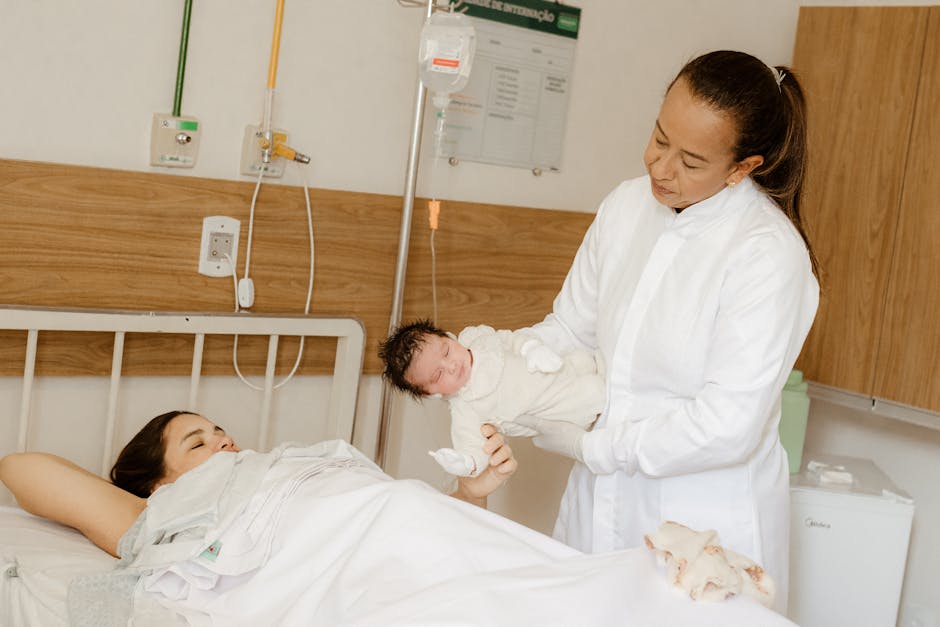
In a quiet labor and delivery unit in South Los Angeles, a 32-year-old mother grips the rails of her hospital bed, breathing steadily through contractions. She’s attempting a vaginal birth after a previous cesarean—a VBAC—with focused determination. Her care team, experienced in supporting such deliveries, monitors her progress closely. This scene, once rare, is now common at hospitals serving predominantly Black communities, where a new study reveals that women are not only more likely to attempt VBACs but also more likely to succeed. Far from the national narrative of under-resourced care, these hospitals are emerging as unexpected leaders in a critical area of maternal health, challenging entrenched assumptions about racial disparities in medicine.
Vaginal Birth After C-Section More Common in Black-Serving Hospitals

According to a UCLA-led study published in Health Affairs, low-risk patients at predominantly Black-serving hospitals (BSHs) are significantly more likely to attempt and achieve vaginal birth after cesarean (VBAC) than those at hospitals serving few Black patients. Analyzing data from over 1.5 million births across California, Texas, and New York between 2010 and 2020, researchers found that 75% of eligible patients at BSHs attempted VBAC, compared to just 54% at non-Black-serving hospitals. Success rates followed a similar trend: 71% of VBAC attempts at BSHs resulted in vaginal delivery, versus 63% elsewhere. These findings counter the prevailing narrative that Black women consistently receive lower-quality obstetric care, instead highlighting a nuanced reality where certain institutions excel in patient-centered maternity practices. The study controlled for factors like maternal age, insurance type, and comorbidities, reinforcing that the disparity in VBAC access is rooted in hospital-level decision-making rather than patient characteristics.
How Systemic Biases Shaped Cesarean Trends

For decades, the medical establishment has treated VBAC with caution, partly due to the 1999 American College of Obstetricians and Gynecologists (ACOG) guidelines that required immediate surgical backup, effectively discouraging many hospitals from offering the option. This led to a nationwide decline in VBAC rates, especially in affluent and predominantly white hospitals where risk-averse protocols dominate. Meanwhile, Black women have historically faced both overmedicalization—such as higher rates of primary C-sections—and under-resourcing in maternal care. However, the new data suggest that BSHs, possibly due to patient advocacy, cultural competence, or institutional priorities, have resisted the trend of surgical overuse. These hospitals may operate under different clinical cultures that prioritize vaginal delivery when medically appropriate, despite systemic underfunding. The contrast underscores a paradox: institutions often labeled as under-resourced may, in specific domains, deliver care that aligns more closely with evidence-based, patient-centered guidelines than their wealthier counterparts.
The Providers and Patients Driving Change

The shift is being led by a combination of community-minded obstetricians, midwives, and patients themselves—particularly Black women who have long advocated for bodily autonomy in childbirth. At hospitals like Howard University Hospital in Washington, D.C., and Martin Luther King Jr. Community Hospital in Los Angeles, care teams emphasize shared decision-making and trauma-informed practices. Many clinicians at BSHs report that patients arrive with clear preferences for vaginal birth, often informed by prior negative C-section experiences or distrust of surgical interventions. In response, providers are more likely to support VBAC attempts, even in the face of institutional barriers. As one OB-GYN in Houston told Reuters, “Our patients demand choices, and we work hard to give them safe options.” This patient-provider alignment, researchers suggest, fosters a culture of trust that facilitates higher VBAC success rates, even with fewer resources.
Implications for Maternal Health Equity

The findings have profound implications for how policymakers and hospitals define and pursue health equity. Rather than viewing BSHs solely through a deficit lens, the study urges recognition of their strengths in specific clinical domains. Higher VBAC rates not only reduce surgical risks—such as infection, hemorrhage, and complications in future pregnancies—but also affirm patient agency, particularly for Black women who have historically been denied autonomy in medical settings. For health systems, this suggests that equity initiatives should include knowledge transfer from high-performing BSHs to other institutions. Insurers and Medicaid programs could incentivize VBAC support, especially in regions with low attempt rates. Ultimately, the data challenge the one-size-fits-all model of maternity care and call for a more nuanced understanding of where and how equitable care is already being delivered.
The Bigger Picture
This study is part of a growing body of research that reexamines racial disparities not as simple indicators of inferior care, but as reflections of complex institutional cultures and patient-provider dynamics. It aligns with broader movements in maternal health that emphasize reducing unnecessary interventions and centering patient choice. As the U.S. faces a worsening maternal mortality crisis—particularly among Black women—innovations in care delivery cannot be assumed to originate only from elite medical centers. Sometimes, the most effective models emerge from the very communities most burdened by systemic inequity.
What comes next may depend on whether the broader healthcare system is willing to listen. If hospitals across the country adopt the practices of BSHs—supporting VBAC with respect, preparation, and trust—they could help close gaps in maternal outcomes. The path forward isn’t about pouring more resources into underserved areas alone, but about learning from them. The quiet labor rooms of South LA might just hold lessons for the future of American maternity care.
Source: MedicalXpress