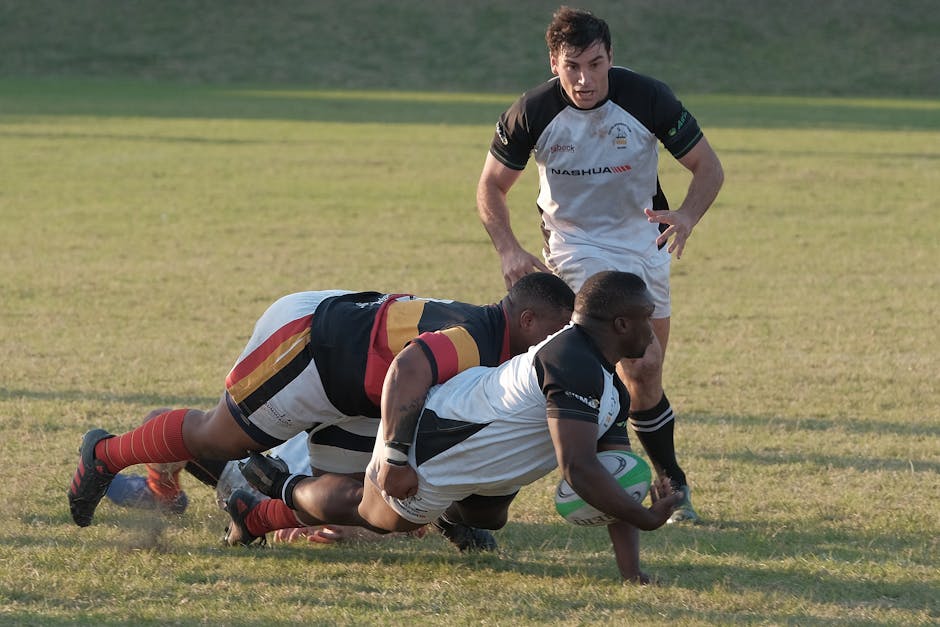
- South African clubs are reconsidering their participation in European rugby competitions due to growing concerns over player workload and financial sustainability.
- The South African rugby calendar is being reassessed to align with the Southern Hemisphere’s traditional June-to-September international window.
- South African franchises face grueling travel schedules, leading to increased player fatigue, higher injury rates, and mounting operational costs.
- The potential withdrawal of South African clubs from European competitions could have significant implications for the global balance of club rugby.
- The South African Rugby Union (SARU) is evaluating the feasibility of a domestic-only season to improve the competitiveness and sustainability of the domestic game.
Could the era of South African clubs competing in European rugby competitions be coming to an end? This is the question dominating conversations in rugby circles after reports emerged of a comprehensive review into the structure and scheduling of South African rugby. With growing concerns over player workload, travel demands, and financial sustainability, the country’s rugby authorities are reconsidering their long-standing participation in elite European club tournaments like the United Rugby Championship (URC) and potential future involvement in the European Professional Club Rugby (EPCR) events. The implications are vast—not just for South Africa’s domestic game, but for the global balance of club rugby.
What’s Driving the Potential Withdrawal?

The primary catalyst behind the possible withdrawal is a strategic reassessment of the South African rugby calendar, aimed at aligning the domestic season with the Southern Hemisphere’s traditional June-to-September international window. Since joining the URC in 2021, South African franchises like the Bulls, Stormers, Sharks, and Lions have faced grueling travel schedules, often flying thousands of miles for midweek matches against European sides. This has led to increased player fatigue, higher injury rates, and mounting operational costs. According to a report by BBC Sport, the South African Rugby Union (SARU) is evaluating whether continued participation is sustainable or in the best long-term interest of player welfare and national team performance. The goal is to create a more coherent, regionally focused competition structure.
What Evidence Supports This Shift?

Data from recent seasons underscores the physical toll on South African players. A 2023 study by the International Rugby Players’ Association found that South African URC squads experienced a 23% higher incidence of soft-tissue injuries compared to their European counterparts, a disparity largely attributed to frequent long-haul travel and fixture congestion. Coaches, including Bulls director of rugby Jake White, have publicly voiced concerns, with White stating in an interview with Reuters that “flying from Pretoria to Dublin and back in 72 hours is unsustainable for any athlete.” Additionally, SARU’s internal financial audits reveal that participation in European competitions generates disproportionate expenses without commensurate revenue returns, especially when compared to broadcast deals and sponsorship opportunities within Africa and neighboring regions.
Are There Counterarguments to Withdrawing?

Despite the growing momentum for change, some experts caution against a full withdrawal, warning it could isolate South African rugby from the global game. Participation in the URC has elevated the international profile of South African clubs, providing exposure to diverse playing styles and higher levels of competition. Former Springbok captain Jean de Villiers argues that “exposure to northern hemisphere conditions and tactics has been invaluable for player development.” Moreover, fans and broadcasters have embraced the transcontinental rivalry, with URC viewership in South Africa increasing by 18% since the inclusion of local teams. There’s also a risk that pulling out could weaken commercial partnerships with European leagues and broadcasters, potentially reducing future revenue streams. Some stakeholders advocate for a hybrid model—reducing European fixtures rather than eliminating them entirely.
What Would This Mean for Global Rugby?

If South African clubs withdraw, the ripple effects would extend far beyond national borders. The URC, which was restructured specifically to include South African teams, would face a significant credibility and logistical challenge. Broadcasters in Europe and South Africa may renegotiate or terminate contracts, and sponsors could reassess their investments. Domestically, SARU could redirect resources toward expanding the Currie Cup or launching a new pan-African club competition, potentially boosting grassroots engagement across the continent. However, such a move might also delay efforts to unify global rugby calendars, a long-term goal of World Rugby. The absence of South African teams could reduce the competitive balance in European tournaments, possibly making them less attractive to international audiences.
What This Means For You
For fans, players, and administrators, this potential shift signals a pivotal moment in rugby’s evolution. If South African clubs pull out of European competitions, it could lead to more locally aligned, sustainable seasons—but at the cost of global integration. Supporters may see more high-stakes domestic derbies, while players could benefit from reduced travel and better recovery times. However, the sport’s international flavor may diminish. The decision will ultimately reflect a broader tension in modern sports: balancing commercial ambition with athlete well-being and cultural identity.
As rugby stakeholders weigh these complex trade-offs, one question remains: can the sport maintain its global appeal while respecting the unique demands of different regions? The answer may shape not just South Africa’s rugby future, but the structure of international club competitions for decades to come.
Source: BBC