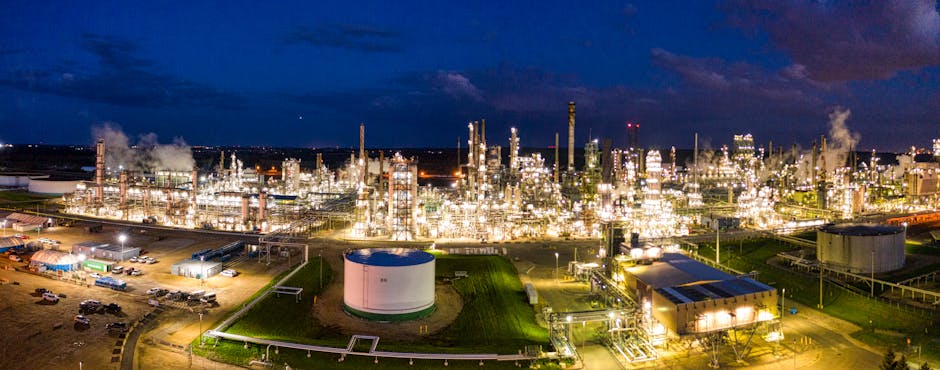
- Ukrainian drones have been targeting Russian energy infrastructure, including refineries, in a strategic shift in the war.
- The Ryazan oil refinery, one of Russia’s largest, was hit by a Ukrainian drone strike, sparking a massive fire.
- Kyiv’s long-range drone operations against Russian sites raise the stakes and risks of further retaliation.
- The targeting of critical energy infrastructure inside Russia aims to cripple Moscow’s war economy.
- The attack on the Ryazan refinery highlights the growing use of drones in modern warfare.
What does it mean when a war that began on the ground starts burning in the skies over enemy refineries? After a massive fire erupted at the Ryazan oil refinery — one of Russia’s largest — on June 27, 2024, questions swiftly followed: Was this a Ukrainian drone strike? And if so, how far is Kyiv willing to reach to cripple Moscow’s war economy? The blaze, visible for miles, lit up the night sky and sent plumes of black smoke into the atmosphere, signaling not just destruction but a strategic shift. As both sides escalate their attacks beyond the front lines, the targeting of critical energy infrastructure inside Russia raises the stakes — and the risks of further retaliation.
Did Ukrainian Drones Target the Ryazan Refinery?

Yes, multiple sources indicate that Ukrainian drones carried out the strike on the Ryazan refinery, a facility with a daily processing capacity of over 300,000 barrels. While neither Ukraine’s military nor its intelligence services have officially claimed responsibility — a common practice to maintain plausible deniability — Russian officials and independent analysts point to the growing pattern of Kyiv’s long-range drone operations against strategic Russian sites. The Russian Ministry of Defense acknowledged the incident, attributing the fire to a “sabotage attack” involving aerial drones. Open-source intelligence analysts, including those at the Conflict Intelligence Team, have verified footage showing drone debris near the blast site. The refinery, located about 200 kilometers southeast of Moscow, is not only vital to Russia’s domestic fuel supply but also supports military logistics and export revenues.
What Evidence Supports a Ukrainian Drone Attack?

Geolocated videos and satellite imagery confirm explosions and fires concentrated near key processing units at the Ryazan facility. According to Reuters reports, local emergency services confirmed the fire spread across multiple storage tanks, requiring over 100 firefighters to contain it. Social media footage, later verified by Bellingcat, shows objects resembling Soviet-era jet drones — possibly converted Ukrainian Sukhoi-designed UCAVs — approaching from the west, consistent with flight paths used in prior attacks on Tatarstan and Bashkortostan. Additionally, Russia’s Federal Air Transport Agency issued a temporary flight restriction over the area shortly before the incident, suggesting prior detection of incoming aerial threats. These details align with Ukraine’s recent doctrine of targeting refineries to reduce Russia’s fuel production capacity — a strategy analysts say has already cut Moscow’s refined output by an estimated 15% since early 2024.
Are There Alternative Explanations or Skeptical Views?

Some analysts caution against immediate attribution, noting that industrial fires at aging Soviet-era refineries are not uncommon due to poor maintenance and lax safety protocols. Russian state media initially suggested an internal technical failure, though this narrative shifted after drone debris was reported. Former energy security advisor at the Russian Energy Ministry, Mikhail Kriger, argued in a Telegram post that even if drones were involved, the damage might be exaggerated for propaganda purposes. Others, like security analyst Anna Kucheryavenko, suggest that while Ukraine has the capability, third-party actors or internal sabotage cannot be ruled out. Still, the prevailing consensus among Western intelligence circles is that Ukraine has methodically expanded its drone warfare capabilities with Western-supplied navigation technology and satellite targeting support, making long-range precision strikes increasingly feasible.
What Are the Real-World Consequences of the Attack?

The Ryazan strike has immediate economic and strategic implications. Russia’s refining sector, already strained by sanctions and the loss of European markets, now faces additional pressure. The Ryazan refinery supplies fuel to central Russia and supports military operations through Rosneft’s distribution network. Disruptions here could lead to localized fuel shortages and higher prices, potentially affecting both civilian life and troop mobility. Beyond logistics, the psychological impact is significant: the ability of Ukrainian drones to strike deep inside Russia undermines the Kremlin’s narrative of homeland security. In response, Russia has intensified air defenses around industrial zones and launched retaliatory missile strikes on Ukrainian energy infrastructure, creating a dangerous tit-for-tat cycle. Such escalation risks drawing in broader regional actors and increasing the likelihood of unintended confrontations.
What This Means For You
If you follow global energy markets or international security, this event signals a new phase in the Ukraine war — one where energy infrastructure is a frontline target. Consumers may see ripple effects in oil prices, while policymakers face harder choices about supporting long-range strike capabilities. For citizens in both countries, the war is no longer distant; it’s visible in smoke plumes over cities once considered safe. As drone warfare becomes more accessible and precise, the threshold for striking critical infrastructure continues to lower — a trend with global implications.
But how far will Ukraine go, and where does this escalation end? If refineries, power plants, and transportation hubs are now fair game, what safeguards remain to prevent catastrophic collateral damage or accidental conflict expansion? As both sides adapt, the world watches for the next flashpoint — and the next fire in the sky.
Source: Kyivindependent