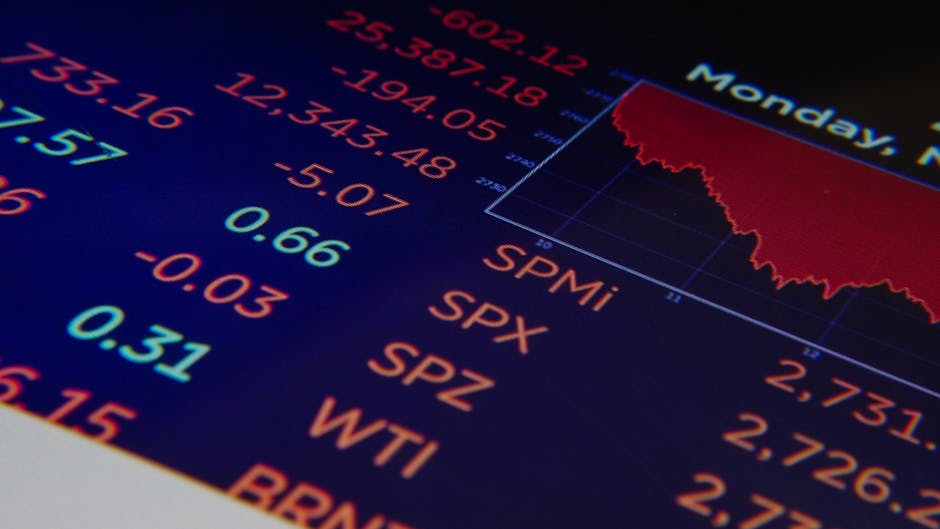
- UK bond yields rose 30 basis points in one week, reaching 4.31%, amid speculation about a change in national leadership.
- The pound sterling depreciated by 1.7% against the US dollar, reaching a seven-month low, as investors recalibrate risk premiums.
- Public sector net borrowing in May exceeded forecasts, standing at £13.2 billion, fueled by sluggish revenue growth and persistent inflation.
- The spread between UK and German 10-year bonds widened to 98 basis points, the largest gap since late 2023, indicating diminished confidence in UK fiscal stewardship.
- Leadership tensions within the opposition have intensified, prompting investors to reassess the UK’s fiscal trajectory and economic stability.
Financial markets are signaling growing concern over the UK’s fiscal trajectory as government bond yields rise and the pound falls amid intensifying speculation about a change in national leadership. Analysts attribute the market moves to fears that a government led by Andy Burnham would pursue significantly looser fiscal policies, including higher public spending and increased borrowing. With no general election imminent but leadership tensions mounting within the opposition, investors are recalibrating risk premiums, pricing in a potential erosion of fiscal credibility that could undermine long-term economic stability.
Market Signals Reflect Fiscal Alarm

UK 10-year gilt yields have climbed to 4.31%, up from 4.01% just one week ago, marking one of the sharpest weekly increases in 2024. Simultaneously, the pound sterling has depreciated by 1.7% against the US dollar, reaching a seven-month low of $1.2345. According to data from the Office for National Statistics, public sector net borrowing stood at £13.2 billion in May—already above forecasts—amid sluggish revenue growth and persistent inflation. The spread between UK and German 10-year bonds has widened to 98 basis points, the largest gap since late 2023, suggesting diminished confidence in UK fiscal stewardship. Analysts at Reuters note that markets are reacting not to current policy, but to the perceived risk of future fiscal expansion under a potential Burnham government.
Key Political and Economic Actors in Play

The current turbulence centers on Andy Burnham, Mayor of Greater Manchester and a prominent figure in the Labour Party, whose recent calls for ‘a new era of public investment’ have sparked debate. Although not officially a candidate for national leadership, Burnham has gained traction among party members advocating for bolder economic intervention. Chancellor Rachel Reeves has pushed back, reaffirming Labour’s commitment to fiscal rules, including balancing day-to-day spending. Meanwhile, Bank of England officials, including Deputy Governor Sarah Breeden, have issued quiet warnings about the risks of political pressure on monetary policy. On the international stage, credit rating agencies such as Moody’s and Fitch are monitoring the situation closely, with one analyst noting that ‘a credible fiscal anchor is essential for maintaining investor confidence.’
Trade-Offs Between Growth and Credibility

The core tension lies between stimulating economic growth through targeted investment and preserving long-term fiscal credibility. Proponents of increased spending argue that underinvestment in infrastructure, health, and green energy has constrained productivity and deepened regional inequalities. Burnham himself has cited the success of devolved funding models in Greater Manchester as evidence that local investment yields national returns. However, critics caution that unfunded spending could reignite inflationary pressures, force the Bank of England to maintain higher interest rates, and ultimately increase debt servicing costs. With UK debt at 98.6% of GDP, even a modest rise in borrowing costs could add billions to annual interest payments. The IMF has previously warned that advanced economies with high debt loads must maintain clear fiscal frameworks to avoid market repricing.
Why the Timing Matters Now

The current market reaction is less about immediate policy shifts and more about the erosion of predictability. For much of 2023 and early 2024, financial markets priced in a stable transition to a Labour government committed to fiscal prudence. Recent comments by Burnham and allied figures, however, have introduced ambiguity. A speech in Leeds last week, in which he called for ‘fiscal flexibility to meet national challenges,’ was interpreted by investors as a potential departure from Labour’s official fiscal rules. This shift in tone coincides with weaker-than-expected GDP data and ongoing debates within Labour about economic strategy. In this context, even speculative political developments can trigger market adjustments, particularly in an environment of elevated global interest rates and constrained central bank balance sheets.
Where We Go From Here
Over the next six to twelve months, three scenarios could unfold. In the first, Labour leadership reaffirms strict adherence to fiscal rules, calming markets and stabilizing the pound. This would likely involve distancing the party from Burnham’s rhetoric and clarifying spending plans. In the second, internal party divisions deepen, leading to competing fiscal visions ahead of the next election, which could prolong market volatility and push borrowing costs higher. In the third, a surprise leadership contest or early election brings Burnham or a like-minded candidate to the forefront, prompting credit rating scrutiny and potentially forcing the Bank of England to respond with tighter monetary policy. Each path carries distinct risks for inflation, public finances, and the UK’s standing in global capital markets.
Bottom line — while no policy change has yet occurred, financial markets are pricing in a meaningful risk of fiscal loosening, and the UK’s economic stability now hinges on political clarity.
Source: BBC