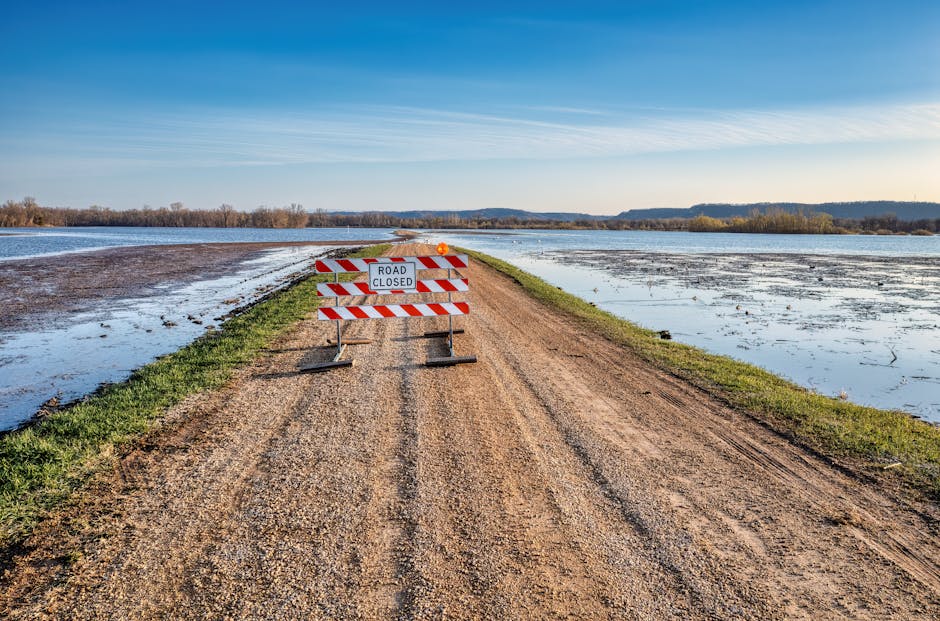
- At least 106 people died in the deadly storm in Uttar Pradesh, India, with dozens more injured.
- Flooding, collapsing homes, and electrocution were the main causes of fatalities.
- The storm was the worst in the region in over a decade, prompting a state-wide emergency response.
- The disaster highlights the growing human toll of climate instability in vulnerable regions of South Asia.
- Uttar Pradesh, with over 240 million people, is particularly vulnerable to seasonal storms and extreme weather events.
At least 106 people have died and dozens more were injured after a severe storm swept through India’s Uttar Pradesh state, unleashing winds exceeding 90 kilometers per hour and dumping torrential rains across densely populated rural districts. The fatalities, reported across 14 districts including Banda, Auraiya, and Jalaun, were largely caused by collapsing homes, falling trees, and electrocution from downed power lines. Many victims were asleep when their mud-and-brick homes crumbled under the force of the storm. The scale of destruction, described as the worst in the region in over a decade, has prompted a state-wide emergency response, with rescue teams deployed to remote villages cut off by flooding and debris. The disaster comes during a period of rising extreme weather events across South Asia, underscoring the growing human toll of climate instability in vulnerable regions.
Why This Storm Was Particularly Devastating

Uttar Pradesh, home to over 240 million people, is no stranger to seasonal storms, but the intensity and suddenness of this event caught residents and authorities off guard. The storm struck late in the evening on April 1, with meteorological data indicating a rare confluence of low-pressure systems and rapid temperature shifts that fueled violent wind gusts. Unlike cyclones that form over oceans and allow for advance warning, this type of inland storm—often termed a ‘squall line’ or ‘nor’wester’—develops quickly over land and is harder to predict with precision. Rural communities, where many homes are constructed from fragile materials and lack early-warning infrastructure, bore the brunt of the impact. The lack of robust disaster preparedness at the village level, combined with limited access to emergency services, turned what might have been a manageable weather event into a humanitarian crisis. Experts point to broader trends: as climate change alters atmospheric patterns, such high-impact, short-duration storms are becoming more frequent across northern India.
What Happened and Who Was Affected

The storm swept across central and southern parts of Uttar Pradesh late Monday night, toppling power lines, uprooting trees, and destroying hundreds of homes, many of which were single-story structures made of mud, wood, and corrugated metal. According to state government reports, Banda district recorded the highest death toll with 42 fatalities, followed by Auraiya with 25. Among the victims were women and children, with multiple families losing several members in single incidents. Agricultural workers and laborers sleeping in open verandas or temporary shelters were especially vulnerable. The storm also damaged schools, health centers, and electricity infrastructure, leaving thousands in darkness. In some villages, mobile networks went down, hampering communication and delaying rescue operations. Local administrations scrambled to mobilize disaster response units, while the National Disaster Response Force (NDRF) deployed teams to assist in search and recovery. Relief camps have been set up to shelter displaced families, though access remains difficult in flood-affected areas.
Climate and Infrastructure: Root Causes Under Scrutiny

The deadly storm has reignited debate over India’s preparedness for extreme weather events, particularly in densely populated but under-resourced states like Uttar Pradesh. Climate scientists warn that rising global temperatures are increasing the frequency and severity of convective storms in the Indo-Gangetic Plain, a region already prone to heatwaves and erratic monsoon patterns. A 2023 report by the Indian Institute of Tropical Meteorology found that the number of severe thunderstorms in northern India has more than doubled since the 1980s. Yet, early-warning systems remain inconsistent, especially in rural zones where smartphone penetration and public alert dissemination are limited. Moreover, building codes are rarely enforced in informal settlements, leaving millions exposed to structural collapse during high winds. Urbanization and deforestation have further disrupted natural drainage, exacerbating flood risks. Experts argue that without sustained investment in resilient infrastructure and community-level disaster education, such tragedies will become more common.
Human and Economic Toll Across Communities

The storm’s aftermath has left thousands of families in distress, with survivors facing not only the loss of loved ones but also livelihoods and shelter. Many of the affected villages rely on subsistence farming, and damaged crops and livestock will deepen economic hardship in the coming weeks. Power outages have disrupted healthcare services in rural clinics, raising concerns about treatment access for the injured and chronically ill. The state government has announced compensation of 500,000 rupees (approximately $6,000) for the families of the deceased, along with emergency relief supplies. However, past experiences suggest that aid distribution can be slow and uneven, particularly in areas with weak governance. The psychological impact is also significant—bereavement, trauma, and displacement are likely to have long-term effects on mental health, especially among children. With the storm occurring just weeks before the onset of the pre-monsoon season, there is fear that this may be a harbinger of a more volatile weather cycle ahead.
Expert Perspectives
Disaster management specialists are divided on how best to respond. Some, like Dr. Anjali Sharma of the Centre for Policy Research, emphasize the need for decentralized early-warning systems using local radio and community networks. Others, such as meteorologist Ravi Shankar Nath, argue that India must invest in higher-resolution weather modeling to detect short-lived storms. “We can’t prevent storms, but we can prevent deaths,” Nath told BBC News. Meanwhile, climate activists stress that reducing emissions globally is essential to curbing the long-term rise in extreme weather, while also pushing for domestic policies that prioritize vulnerable populations in urban planning and housing.
As recovery efforts continue, questions remain about the adequacy of India’s disaster resilience framework. Will this tragedy prompt systemic reforms in warning systems and building standards? And with climate projections pointing to more frequent and intense storms, can at-risk regions adapt in time? The answers will determine whether such devastating loss of life becomes the norm—or a turning point for change.
Source: News