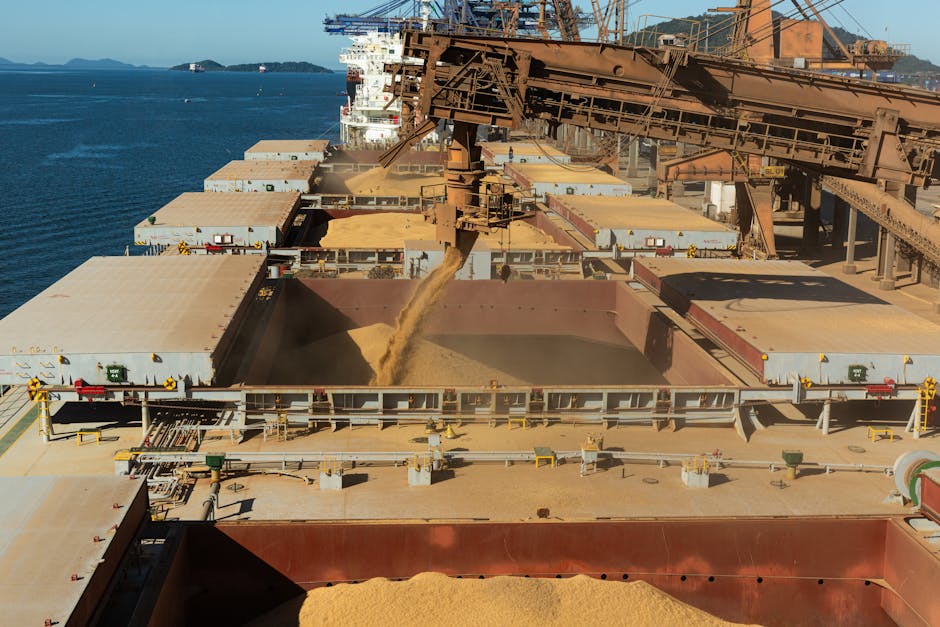
- A Russian ship, ‘Panormitis’, carried 30,000 tons of allegedly stolen Ukrainian grain to Turkey, highlighting concerns about illicit grain trade.
- The ship initially set sail for Israel but was refused entry due to international pressure and potential sanctions violations.
- The grain was harvested from Ukrainian farmland seized by Russian forces in 2022 and 2023.
- The ‘Panormitis’ changed course after being denied entry in Israel and arrived at the Turkish port of Iskenderun.
- The incident raises questions about international trade networks enabling the sale of looted agricultural products.
What happens to stolen Ukrainian grain once it leaves occupied territories—and who is ultimately responsible for stopping its sale on global markets? The voyage of the bulk carrier ‘Panormitis’ has thrust this urgent question into the spotlight. Initially bound for Haifa, Israel, the vessel was refused entry despite carrying approximately 30,000 tons of corn reportedly harvested from Russian-occupied regions of southern Ukraine. Instead of returning or being intercepted, the ship changed course and arrived at the Turkish port of Iskenderun. This unexpected development underscores growing concerns about the international trade networks enabling the illicit movement of agricultural products looted during Russia’s ongoing war against Ukraine.
How Was Stolen Ukrainian Grain Transported to Turkey?

The ‘Panormitis,’ a Cyprus-flagged bulk carrier managed by a Russian-linked company, loaded its cargo in the port of Mariupol—currently under Russian military control—before setting sail across the Black Sea. According to maritime tracking data and investigative reporting by the SeaKrime project, a watchdog under the Peacemaker Center, the corn onboard was harvested from Ukrainian farmland seized by Russian forces in 2022 and 2023. When the ship approached Haifa, Israeli authorities declined to allow unloading, citing international pressure and potential sanctions violations. Rather than seek an alternate legal port, the vessel rerouted to Iskenderun in southern Turkey, a major hub for grain processing and export. Turkey has not publicly confirmed whether it will inspect or admit the cargo, raising questions about regulatory oversight at key transit points.
What Evidence Confirms the Grain Was Stolen?

Investigators from SeaKrime and the Ukrainian Ministry of Agrarian Policy have traced the origin of the corn using satellite imagery, port logs, and shipping manifests. They identified that the grain was harvested from fields in the Kherson and Zaporizhzhia regions, areas under Russian occupation since 2022, and transported overland to Mariupol for export. Reuters has previously reported on Russia’s systematic looting of Ukrainian agricultural assets, with exports from occupied ports increasing since the collapse of the Black Sea Grain Initiative in July 2023. Ukrainian officials estimate that over 600,000 tons of grain have been illicitly exported in the past year, generating hundreds of millions in revenue for Russian-linked entities. The ‘Panormitis’ case fits a documented pattern: ships with opaque ownership, frequent flag changes, and destination ports with lax enforcement.
Are There Legitimate Reasons to Question the Allegations?

While Ukrainian and independent investigators assert the grain was looted, some shipping and trade analysts caution against making definitive claims based solely on port of origin. They argue that complex supply chains in conflict zones can blur ownership, particularly when third-party traders purchase grain through intermediaries in Russian-controlled areas. Some suggest that Turkish or Middle Eastern importers may not be aware of the cargo’s provenance, especially if documentation has been falsified—a common tactic in sanctioned trade. Additionally, Turkey has maintained a delicate balancing act in the war, supporting Ukraine diplomatically while avoiding direct confrontation with Russia. As a result, Ankara may be hesitant to impound shipments without irrefutable proof or international legal mandates. However, experts from the Global Initiative Against Transnational Organized Crime warn that such ambiguity is precisely what enables illicit networks to thrive.
What Are the Broader Implications of This Shipment?

The arrival of the ‘Panormitis’ in Turkey signals a troubling shift in how stolen commodities are being integrated into global markets. Iskenderun is home to numerous grain silos and feed producers that supply both domestic and regional markets, including countries in the Middle East facing food insecurity. If the grain is processed and sold without disclosure, it could indirectly fund Russia’s war effort while undermining Ukrainian farmers and legal exporters. The incident also tests the effectiveness of international sanctions and export controls. While the U.S. and EU have issued advisories warning companies against handling grain from occupied territories, enforcement remains inconsistent. Ports in Turkey, Egypt, and the UAE have accepted similar shipments in recent months, highlighting gaps in global supply chain accountability.
What This Means For You
If you rely on global food markets—whether as a consumer, policymaker, or business—this case reveals how conflict-driven theft can infiltrate everyday products. Grain from occupied Ukraine may be entering international supply chains through indirect routes, making it harder to ensure ethical sourcing. For governments and importers, stronger due diligence and port-level inspections are becoming essential. For citizens, it underscores the hidden connections between wartime aggression and global trade.
As long as demand exists for cheap grain and enforcement remains fragmented, ships like the ‘Panormitis’ will continue to find ports willing to look the other way. The critical question now is whether Turkey will investigate and disclose the fate of this cargo—or allow it to quietly enter the food system, setting a dangerous precedent for future shipments.
Source: En