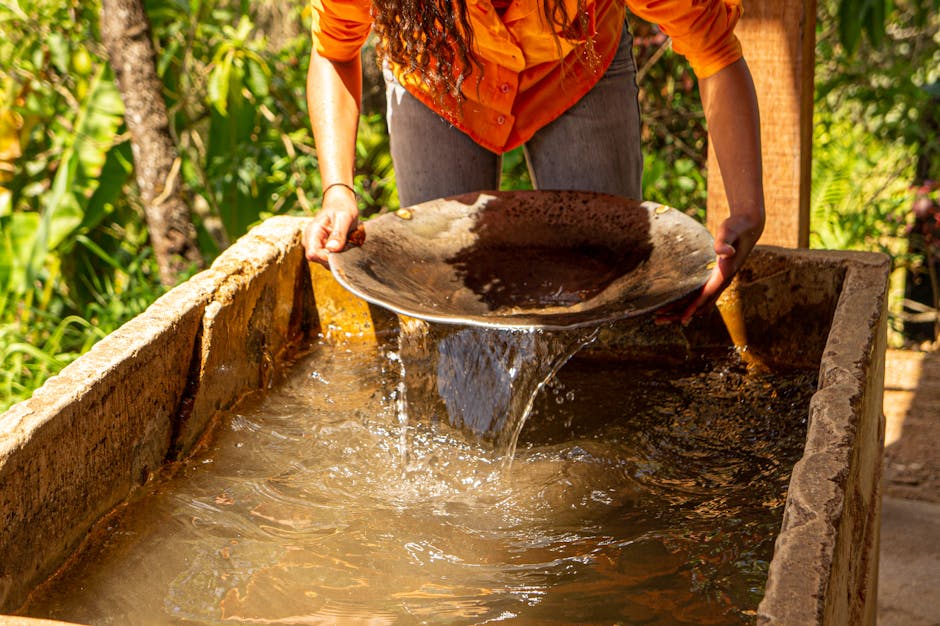
- Illegal gold mining has led to a 60% surge in malaria cases in Amazon communities due to ideal breeding grounds for Anopheles mosquitoes.
- Deforestation and stagnant water pools created by mining activities facilitate the spread of malaria in the Amazon rainforest.
- The displacement of Indigenous populations and weakened environmental enforcement contribute to the systemic public health crisis.
- Over 1.5 million artisanal and small-scale gold miners operate in the Amazon Basin, many of them illegally, exacerbating environmental destruction and disease transmission.
- Rising global gold prices have fueled the growth of illegal mining, further compromising public health in the Amazon region.
Across the Amazon rainforest, a silent epidemic is spreading in the shadow of illegal gold mining. New research reveals that malaria cases have surged by as much as 60% in communities located near unauthorized mining sites, where deforestation and stagnant water pools create ideal breeding grounds for Anopheles mosquitoes—the primary vector of malaria. These outbreaks are not isolated incidents but part of a systemic public health crisis fueled by rising global gold prices, weakened environmental enforcement, and the displacement of Indigenous populations. With over 1.5 million artisanal and small-scale gold miners operating across the Amazon Basin—many of them illegally—the intersection of environmental destruction and disease transmission has reached alarming levels, according to a 2023 study published in Nature Medicine.
The Environmental Catalyst Behind Disease Spread

The connection between illegal mining and malaria is not merely coincidental—it is ecological. When miners clear swathes of rainforest to access gold deposits, they disrupt natural drainage systems, leaving behind open pits that fill with rainwater. These flooded craters become perfect habitats for mosquito larvae. Unlike the dense forest canopy, which limits standing water and sunlight, these cleared areas provide the warmth and stagnation mosquitoes need to thrive. Moreover, miners often live in makeshift camps without proper shelter or mosquito nets, increasing their exposure. The influx of transient workers also introduces non-immune individuals to malaria-endemic zones, amplifying transmission risk. According to the World Health Organization (WHO), the Amazon region accounts for over 40% of all malaria cases in the Americas, with Brazil and Venezuela reporting the highest burdens—both nations also host the largest illegal mining operations.
Who Is Driving the Mining Boom?

The primary actors in this crisis are informal and often illegal mining operations run by both local prospectors and organized crime networks. In countries like Peru, Suriname, and Guyana, weak governance and corruption enable the expansion of these activities deep within protected Indigenous territories. Satellite data from the Monitoring of the Andean Amazon Project (MAAP) shows that illegal mining caused over 1,300 square kilometers of deforestation in the Peruvian Amazon alone between 2010 and 2022. These operations frequently use mercury to extract gold, contaminating rivers and poisoning local fish supplies—a secondary health hazard compounding the malaria threat. The miners themselves, many of whom migrate from impoverished regions, live in overcrowded, unsanitary conditions with limited access to healthcare, turning camps into disease amplifiers. Once malaria takes hold, it spreads rapidly along supply routes and into nearby villages, including those of isolated Indigenous tribes with little immunity.
Why This Public Health Crisis Is Worsening

The surge in malaria is directly tied to economic incentives. With gold prices exceeding $2,000 per ounce in 2024—driven by global uncertainty, inflation hedging, and central bank demand—the profitability of illegal mining has skyrocketed. This economic pull, combined with limited alternative livelihoods in remote Amazon regions, makes enforcement nearly impossible. Health infrastructure in these areas is already fragile; clinics are understaffed, and diagnostic tools are scarce. A 2022 report by Reuters documented clinics in Madre de Dios, Peru, overwhelmed by hundreds of malaria cases monthly during peak mining seasons. Furthermore, many miners avoid official health services due to fear of legal repercussions, allowing the disease to spread unchecked. Climate change exacerbates the problem, as warmer temperatures extend mosquito breeding seasons and expand their range into higher altitudes.
Communities at the Epicenter of the Crisis

The human toll falls disproportionately on Indigenous populations and rural poor communities. Groups like the Yanomami and Munduruku in Brazil have seen infection rates spike as miners encroach on their lands. These communities often lack immunity to malaria, making infections more severe and deadly. Children and pregnant women are especially vulnerable. In some Yanomami villages, malaria prevalence has reached 50% during outbreaks. Beyond disease, the social fabric is eroding: violence, sexual exploitation, and mercury poisoning accompany the arrival of mining operations. Local health workers report that entire families abandon their homes to escape both environmental degradation and illness. As deforestation spreads, so does the frontier of disease, threatening not only isolated tribes but also regional urban centers as infected individuals travel for treatment or work.
Expert Perspectives
Experts are divided on solutions but agree on the urgency. Dr. Patricia Latorre, a tropical disease specialist at the Oswaldo Cruz Foundation in Brazil, emphasizes integrated surveillance: “We need real-time monitoring of both deforestation and malaria cases to predict and contain outbreaks.” Others, like Dr. John Spengler of the Harvard T.H. Chan School of Public Health, stress the need for global responsibility: “Consumers in wealthy nations must recognize that their investment behaviors fuel this crisis.” Meanwhile, some policymakers advocate for formalizing small-scale mining with environmental safeguards, though critics argue this could legitimize illegal operations. The WHO has called for cross-border collaboration among Amazon nations to strengthen disease control and environmental enforcement.
Looking ahead, the convergence of climate change, commodity markets, and health systems will shape the future of the Amazon. Without coordinated intervention—ranging from satellite-based mining detection to mobile health units—malaria could become endemic in new areas. The key question is whether global demand for gold will continue to outweigh the human and ecological costs. As one Indigenous leader from Suriname warned: “They come for gold, but they leave behind death.”
Source: MedicalXpress