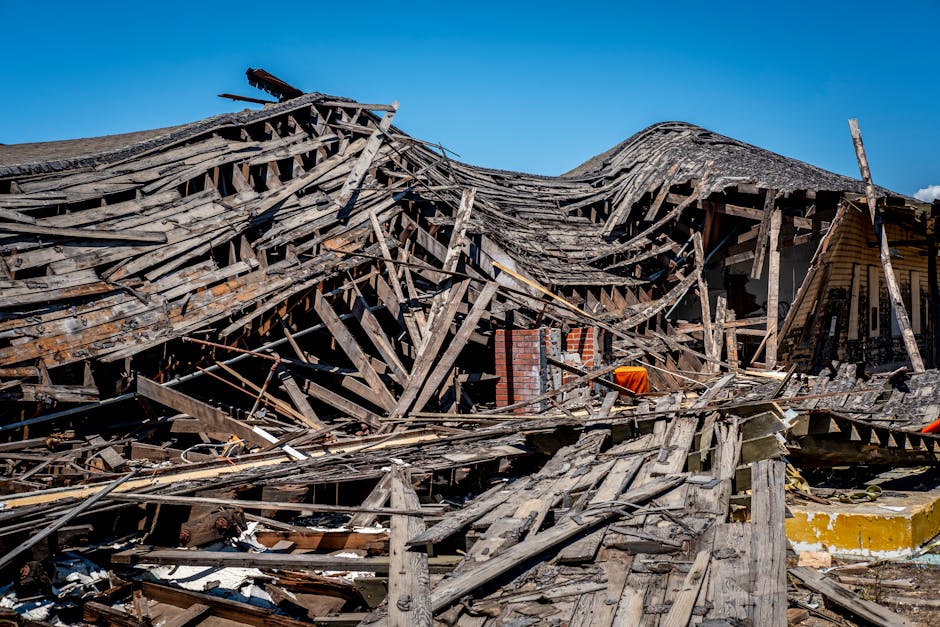
- Cuba’s nationwide blackout was caused by the failure of the Antonio Guiteras thermoelectric plant in Cienfuegos.
- The collapse of the power grid cut electricity to eastern provinces and rapidly spread nationwide.
- Hospitals and water pumps were affected, leaving Cubans without essential services.
- Underinvestment, U.S. sanctions, and overstretching of the power system contributed to the crisis.
- A ‘black start’ process is required for a slow, methodical restart of the national power grid.
Why has Cuba plunged into darkness—again? Millions across the island awoke to a silent, sweltering morning as the national power grid collapsed, cutting electricity to eastern provinces and rapidly spreading nationwide. This isn’t the first blackout to grip the island, but its scale and timing—during a peak economic and political crisis—have raised urgent questions. With hospitals running on generators, water pumps offline, and social media ablaze with frustration, Cubans are asking not just what caused the outage, but whether the government can prevent the next one. The answer may lie in decades of underinvestment, U.S. sanctions, and a power system stretched beyond its limits.
\n\n
What triggered the nationwide blackout?

\n
The immediate cause of the blackout was the failure of the Antonio Guiteras thermoelectric plant in Cienfuegos, Cuba’s largest power station, which abruptly went offline on Monday morning. According to Cuba’s state-run energy company, Unión Eléctrica, a technical fault during startup operations led to a cascading failure across the national grid. Because Cuba’s energy network operates as a single interconnected system, the collapse of one major plant can—and did—trigger a domino effect, cutting power from Holguín in the east to Pinar del Río in the west. The government confirmed that the entire grid suffered a ‘total blackout’—a rare but devastating event that requires a slow, methodical restart. This process, known as a ‘black start,’ can take hours or even days, especially in a country with limited backup capacity and aging infrastructure.
\n\n
What evidence supports this explanation?

\n
Official statements from Cuba’s Ministry of Energy and Mines confirm the sequence of events, but independent experts point to deeper systemic failures. According to the U.S. Energy Information Administration, Cuba’s power plants operate at an average capacity factor of just 40%, well below global standards, due to chronic fuel shortages and lack of maintenance. The Antonio Guiteras plant, commissioned in the 1980s, has suffered repeated outages in recent years. A 2023 report by Reuters documented how U.S. sanctions have restricted access to spare parts and modern equipment, while Venezuela’s declining oil shipments—once a lifeline—have left Cuba scrambling for fuel. Cuban electrical engineer Luis Alvarez, speaking anonymously due to fear of reprisal, told BBC News that ‘the grid is running on hope, not engineering.’ These factors combine to make the system prone to catastrophic failure, even without a triggering event.
\n\n
Are there alternative explanations or perspectives?

\n
While the official narrative centers on technical failure, some analysts and dissidents argue that the blackout reflects political and economic mismanagement rather than mere bad luck. Critics point out that previous blackouts in 2022 and 2023 were followed by promises of grid modernization that never materialized. The Cuban government has blamed U.S. sanctions—and rightly so, in part—but has been slow to diversify energy sources or allow private investment in renewables. Meanwhile, opposition groups suggest that the blackout may have been exacerbated by cyberattacks or sabotage, though no evidence has emerged to support such claims. Others note that rolling blackouts had already been scheduled for weeks prior, indicating that the system was on the brink. From this view, the total collapse wasn’t an accident but an inevitability—an outcome of prioritizing political control over infrastructure resilience.
\n\n
What are the real-world consequences of the blackout?

\n
The human cost of the outage is already mounting. In Santiago de Cuba and Guantánamo, hospitals are relying on diesel generators, but fuel reserves are limited. Dialysis centers and intensive care units face life-threatening risks if power isn’t restored quickly. Water treatment plants have shut down, raising fears of contamination and disease. In Havana, residents lined up at government-distributed water trucks, while others resorted to boiling river water. The blackout has also disrupted communications, with mobile networks and internet access severely limited. Social media, where available, has filled with images of darkened cities and angry citizens. Protests erupted in several towns, met with police presence and internet throttling. Economically, the outage could set back already fragile businesses, many of which operate on razor-thin margins. For a country still recovering from historic food and medicine shortages, this crisis hits at the worst possible moment.
\n\n
What This Means For You
\n
If you have family in Cuba or follow Caribbean geopolitics, this blackout is more than a technical failure—it’s a warning sign of systemic instability. It underscores how energy infrastructure, when neglected, can become a national security threat. For observers, it highlights the real-world impact of sanctions, climate vulnerability, and centralized control over critical systems. While the lights may eventually come back on, the trust in the system may not. The lesson extends beyond Cuba: resilient, decentralized energy networks are no longer optional—they’re essential for survival in an age of compounding crises.
\n\n
As Cuba struggles to reboot its grid, a deeper question lingers: can a centralized, state-controlled energy model survive in the 21st century, especially under economic siege? Will this blackout finally force long-delayed reforms, or will the cycle repeat? And with climate change increasing strain on aging infrastructure worldwide, how many other nations are just one fault away from collapse?
Source: Thestar