- CIA Director William Burns made a clandestine visit to Havana, marking a high-level American delegation to Cuba in years.
- The Biden administration is concerned about instability in Cuba and its regional ripple effects, despite maintaining economic sanctions.
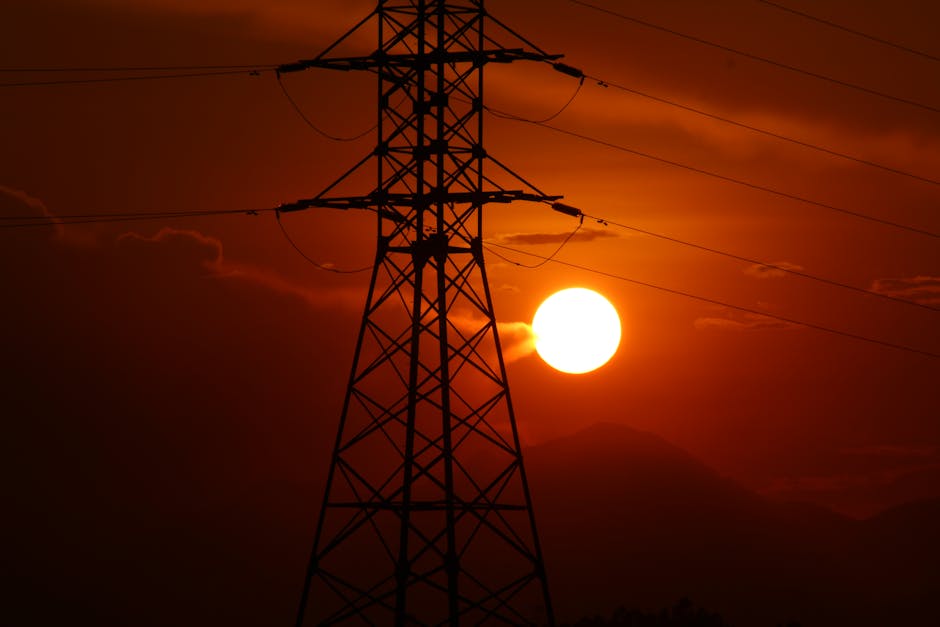
- Cuba is facing its worst energy crisis in decades, with daily blackouts averaging 12-18 hours and a national power grid operating at less than 40% capacity.
- The forced shutdown of Cuba’s largest power plant, Antonio Guiteras, due to equipment failure and fuel shortages, has exacerbated the energy crisis.
- The U.S. has offered humanitarian and energy assistance to Cuba, while maintaining its economic sanctions on the Cuban government.
Amid a deepening humanitarian and economic crisis in Cuba, U.S. Central Intelligence Agency (CIA) Director William Burns made a clandestine visit to Havana, marking one of the highest-level American delegations in years. The trip, confirmed by U.S. officials to Reuters, underscores Washington’s growing concern over instability on the island and its potential regional ripple effects. While the Biden administration maintains its economic sanctions, it has simultaneously extended offers of humanitarian and energy assistance, suggesting a dual-track approach aimed at alleviating civilian suffering without lifting broader pressure on the Cuban government.
Energy Collapse and Blackout Data

Cuba is enduring its worst energy crisis in decades, with daily blackouts averaging 12 to 18 hours across major cities, including Havana, Santiago, and Camagüey. According to reports from BBC News, the national power grid has operated at less than 40% capacity since April 2024, following the forced shutdown of the Antonio Guiteras thermoelectric plant—the island’s largest—due to equipment failure and fuel shortages. Diesel and crude oil reserves are estimated at just 10 days’ supply, per Cuban energy analysts, while electricity generation has plummeted to approximately 2,300 megawatts, far below the 4,000 MW needed to meet demand. Hospitals, water treatment facilities, and food refrigeration systems have been severely compromised, raising alarms among international health and aid organizations about a looming public health emergency.
Key Players and Diplomatic Maneuvers

The visit by CIA Director Burns—facilitated by Cuban intelligence officials and conducted under tight security—reflects a recalibration in U.S. engagement with Havana. Burns, a veteran diplomat and former ambassador to Russia, has led backchannel communications with several adversarial states, and his presence signals Washington’s intent to open discreet lines of communication. On the Cuban side, President Miguel Díaz-Canel and National Defense Minister Álvaro López have overseen the crisis response, blaming the U.S. embargo for restricting access to fuel, spare parts, and investment. Meanwhile, Venezuela has provided limited oil shipments under a strained alliance, and Mexico has offered emergency solar generators. The U.S. State Department has emphasized that any aid is strictly humanitarian and not a prelude to sanctions relief, but the engagement itself marks a departure from the hardline posture of previous administrations.
Strategic Trade-Offs and Risks

The Biden administration faces a delicate balance: offering aid risks being perceived as softening its stance on human rights and political repression in Cuba, yet inaction could fuel mass migration and regional instability. By channeling support through non-governmental organizations and third-party intermediaries, the U.S. aims to mitigate civilian suffering without legitimizing the Cuban regime. However, critics argue that the existing embargo, particularly Title III of the Helms-Burton Act, deters foreign investment in energy infrastructure and prolongs the crisis. Human rights advocates warn that any normalization must be tied to democratic reforms, while national security officials stress the importance of monitoring China’s and Russia’s growing influence on the island. The current approach attempts to navigate these tensions, but with limited leverage, Washington’s options remain constrained.
Timing and Shifting Conditions

The timing of Burns’ visit reflects a confluence of urgent factors: the accelerating collapse of Cuba’s power grid, rising civil unrest—including protests in Matanzas and Holguín—and increased irregular migration to the U.S. southern border, with over 250,000 Cubans intercepted in fiscal year 2023. Unlike past energy shortages, the current crisis occurs amid global energy market volatility and heightened U.S. focus on Caribbean stability. Additionally, internal debates within the Biden administration have gained momentum, with senior officials acknowledging that the embargo has failed to produce political change and may now be counterproductive. The decision to dispatch the CIA chief—rather than a State Department envoy—suggests that intelligence and security assessments are now central to shaping policy.
Where We Go From Here
In the next six to twelve months, three scenarios could unfold. First, a limited U.S.-Cuban understanding may emerge, allowing for targeted energy aid and renewed migration talks, similar to the Obama-era negotiations. Second, if blackouts persist and unrest grows, the Cuban government could face a legitimacy crisis, potentially triggering a leadership shakeup or crackdown. Third, without substantial external support, the island may deepen its reliance on China and Russia, leading to expanded military or intelligence cooperation that could challenge U.S. regional interests. The trajectory will depend not only on Washington’s policy choices but also on Havana’s willingness to engage in good faith and the resilience of Cuban civil society.
Bottom line — While the CIA chief’s visit does not signal an imminent policy overhaul, it reflects a pragmatic recalibration aimed at managing risks in America’s backyard amid a worsening humanitarian emergency and shifting geopolitical currents.
Source: BBC