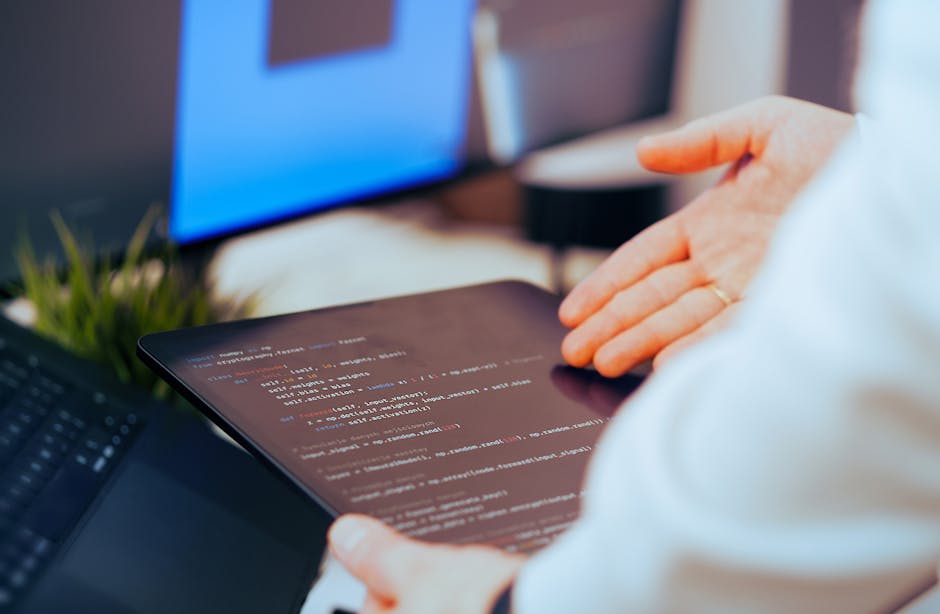
- Adaptive Markdown is an open-source project that brings AI to digital documents, making content responsive and interactive.
- This format replaces static text with AI-driven agents that update in real-time, answering questions and restructuring content based on context.
- Adaptive Markdown challenges the traditional static page, enabling users to interact with content that fetches updated data, generates summaries, and visualizes data on demand.
- Artificial intelligence is increasingly integrated across industries, raising the question of whether static text will become obsolete in the near future.
- Adaptive Markdown’s interactive workspaces could revolutionize the way we read and engage with digital content, making it more dynamic and engaging.
What if your documents could think? Not metaphorically — but literally respond, adapt, and evolve as you read them? With the rise of artificial intelligence, the static page is beginning to feel like a relic. A new open-source project called Adaptive Markdown is challenging the fundamental nature of digital documents by replacing passive text with live, agent-controlled environments. Instead of scrolling through fixed paragraphs, users interact with content that updates in real time, answers questions, and even restructures itself based on context. As AI integration deepens across industries, the question isn’t just whether documents should be dynamic — but whether static text will soon become obsolete.
What Is Adaptive Markdown — And How Does It Work?

Adaptive Markdown is an experimental document format that replaces traditional static text with AI-driven agents capable of modifying content in real time. Unlike conventional Markdown, which renders text based on simple syntax rules, Adaptive Markdown allows documents to behave like interactive workspaces. Each section of text can be governed by autonomous agents — small AI programs that respond to user input, fetch updated data, or rephrase explanations based on reading level or domain expertise. For example, a scientific paper could automatically generate summaries, visualize data on demand, or cross-reference related studies without leaving the document. The creator envisions a future where reading is no longer a passive activity but a collaborative dialogue between reader and content. This shift builds on advancements in language models and agent-based computing, enabling documents to serve as living, evolving knowledge systems.
Supporting Evidence: Why Dynamic Documents Make Sense Now

The technical foundation for Adaptive Markdown has emerged from rapid progress in large language models and software agents. Projects like language models and frameworks such as AutoGPT and LangChain demonstrate that AI can manage complex workflows autonomously. In academic settings, tools like Scite and ResearchRabbit already enhance static papers with interactive citations and recommendation engines, suggesting a growing appetite for smarter document experiences. A 2023 Nature article highlighted how researchers spend nearly 30% of their time parsing literature — time that could be reduced through dynamic, self-explanatory texts. Moreover, platforms like Notion and Obsidian have proven that users embrace non-linear, interconnected knowledge systems. Adaptive Markdown takes this further by embedding intelligence directly into the syntax, allowing documents to adapt not just in structure, but in meaning and purpose, depending on who is reading them and why.
Counter-Perspectives: Are We Overcomplicating the Document?

Despite its promise, Adaptive Markdown faces skepticism from those who value simplicity and preservation in documentation. Critics argue that introducing AI-driven dynamism risks undermining the reliability and permanence of written records. If a document changes every time it’s viewed, how do we cite it? How do we ensure reproducibility in scientific communication when explanations evolve based on user context? Some experts warn that such systems may deepen digital divides — favoring those with access to advanced hardware and stable connectivity. Others point to cognitive load: too much interactivity might distract rather than assist, especially for deep reading or complex reasoning. Historically, innovations like hypertext and semantic web technologies promised transformative reading experiences but saw limited mainstream adoption due to usability and standardization issues. Without broad consensus on protocols, interoperability, and ethical use, Adaptive Markdown could remain a niche experiment rather than a universal standard.
Real-World Impact: From Academia to Everyday Knowledge Work

Where Adaptive Markdown could have the most immediate impact is in technical education and research. Imagine a student reading a machine learning paper that automatically generates visualizations of algorithms, simplifies equations upon request, or quizzes them interactively. Engineers reviewing system documentation could simulate failures or request real-time updates from production metrics embedded in the text. In collaborative environments, team members could leave AI-mediated annotations that evolve as projects progress. Legal and medical fields might use adaptive documents to keep guidelines current with regulatory changes. Early prototypes, like the demo video shared by the creator, show how a single document can toggle between high-level summaries and deep technical detail based on user needs. These use cases suggest a future where documents don’t just convey information — they help users understand, apply, and build upon it.
What This Means For You
If Adaptive Markdown gains traction, the way you consume information could fundamentally change. Reading will become more active, personalized, and efficient — especially in technical domains. You might no longer need to jump between tabs, search external sources, or decode dense jargon. Instead, your documents will anticipate your needs and adapt in real time. While full adoption is years away, early adopters can begin exploring agent-based tools and interactive note-taking platforms to prepare for this shift. The core idea — that knowledge should be alive — is likely here to stay.
But one question remains unanswered: if documents can adapt to us, how will they shape the way we think? Will they enhance our understanding, or subtly guide our conclusions based on embedded biases in their agents? As the line between reader and writer blurs, the ethical design of these systems becomes as important as their technical innovation.
Source: Reddit