- The 30-year U.S. Treasury yield has reached 5.1%, its highest level in nearly a year, signaling growing inflation concerns.
- Market expectations have shifted, with traders pricing in fewer rate reductions for 2026, indicating a resilient economy.
- The rise in long-term borrowing costs affects mortgage rates, corporate debt, and government financing, impacting consumers and policymakers.
- Hotter-than-expected inflation readings drove the yield to 5.12% on May 15, 2026, despite elevated interest rates.
- Investors now believe inflation will remain above the Fed’s 2% target for longer, influencing market expectations and monetary policy.
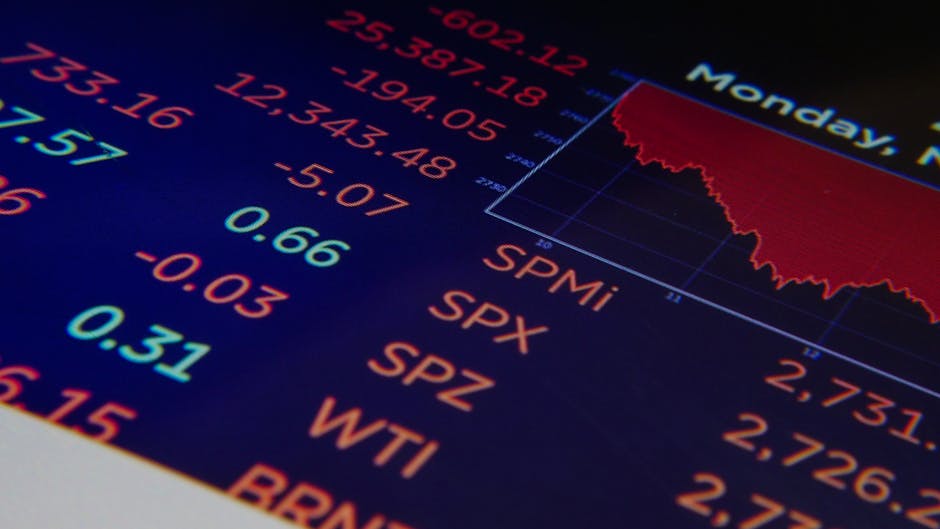
The 30-year U.S. Treasury yield has surged past 5.1%, marking its highest level in nearly a year and signaling growing investor concern over the Federal Reserve’s ability to resume rate cuts amid stubborn inflation. This milestone, last seen in June 2025, reflects a broader shift in market expectations, with traders now pricing in fewer rate reductions for 2026. The rise in long-term borrowing costs has ripple effects across mortgage rates, corporate debt, and government financing, raising alarms for consumers and policymakers alike. According to data from Reuters, the yield reached 5.12% on May 15, 2026, driven by hotter-than-expected inflation readings and stronger-than-anticipated labor and retail sales data that suggest the economy remains resilient despite years of elevated interest rates.
Why Long-Term Yields Matter Now

Long-term Treasury yields, particularly the 30-year benchmark, serve as a critical barometer for investor sentiment on inflation, economic growth, and monetary policy. Unlike short-term rates, which are more directly influenced by the Federal Reserve’s overnight lending rate, the 30-year yield reflects market expectations over a much longer horizon. Its recent climb above 5.1% underscores a recalibration of outlooks: investors now believe inflation will remain above the Fed’s 2% target for longer, and that the central bank may keep rates higher for an extended period. This shift comes despite repeated hints from Fed officials that rate cuts could begin in the second half of 2026. The disconnect between official guidance and market pricing highlights growing skepticism about the Fed’s ability to tame inflation without triggering a downturn.
What Drove the Yield Spike?

The immediate catalyst for the yield surge was the release of April’s Consumer Price Index (CPI) data, which showed headline inflation rising 3.8% year-over-year, above the expected 3.6%. Core inflation, which excludes volatile food and energy prices, increased 3.4%, defying expectations of a continued slowdown. Simultaneously, strong economic indicators—such as a 0.4% monthly gain in retail sales and a labor market adding 253,000 jobs—suggested that the economy is not cooling as rapidly as the Fed had hoped. These factors combined to erode confidence in near-term rate cuts, pushing investors to demand higher yields on long-dated bonds to compensate for inflation risk. Major financial institutions, including JPMorgan and Goldman Sachs, have since revised their 2026 rate cut forecasts from three to just one or two, contingent on softer data in the coming months.
Behind the Rise: Inflation, Debt, and Global Demand

The climb in long-term yields is not solely a domestic phenomenon but reflects a confluence of macroeconomic forces. U.S. government debt has ballooned to over $36 trillion, increasing the supply of Treasuries and putting upward pressure on yields. At the same time, foreign demand—historically a stabilizing force—has waned, with major holders like Japan and China reducing their exposure amid shifting reserve strategies and geopolitical tensions. Moreover, inflation expectations embedded in Treasury Inflation-Protected Securities (TIPS) have risen to 2.7% over the next decade, well above the Fed’s target. “The market is telling us that credibility on inflation control is being tested,” said Michelle Wu, senior macro strategist at BNP Paribas. “Until we see a sustained downtrend in core services and housing costs, long yields will remain elevated.”
Who Bears the Brunt of Higher Yields?

The implications of a 5.1% 30-year yield are far-reaching. For American homeowners, it translates into higher mortgage rates, with the average 30-year fixed-rate mortgage now near 7.3%, up from 6.1% a year ago. This resurgence in borrowing costs could cool the housing market, which had shown signs of recovery in early 2026. Corporations face increased debt servicing costs, particularly those issuing long-term bonds for capital investment. The federal government is also feeling the strain: with over $6 trillion in debt maturing in the next 12 months, higher yields mean significantly larger interest payments, potentially crowding out spending on social programs or infrastructure. States and municipalities financing public projects via long-term bonds are similarly impacted, raising concerns about fiscal sustainability at all levels of government.
Expert Perspectives
Economists are divided on whether the current yield surge is a temporary overreaction or the beginning of a new phase of higher-for-longer rates. Federal Reserve Bank of Atlanta President Raphael Bostic argued that “transitory supply shocks and base effects” are inflating short-term readings, and that disinflation remains on track. In contrast, former Treasury Secretary Larry Summers warned in a BBC interview that “the Fed may be behind the curve again,” citing parallels to the late 1960s when delayed tightening led to stagflation. Academic research from the Federal Reserve Board suggests that global factors, including deglobalization and aging demographics, are structurally pushing real interest rates upward, making the 2% inflation target harder to achieve without economic pain.
Looking ahead, all eyes will be on upcoming CPI, PCE inflation, and employment reports in June. If inflation remains sticky, the 30-year yield could test 5.25%, potentially triggering broader market volatility. Conversely, a sudden economic slowdown could reverse the trend, bringing renewed hopes for rate cuts. For now, investors are navigating a delicate balance between growth resilience and inflation risk—a balancing act that will define the trajectory of U.S. monetary policy and financial conditions for the rest of 2026 and beyond.
Source: Reddit