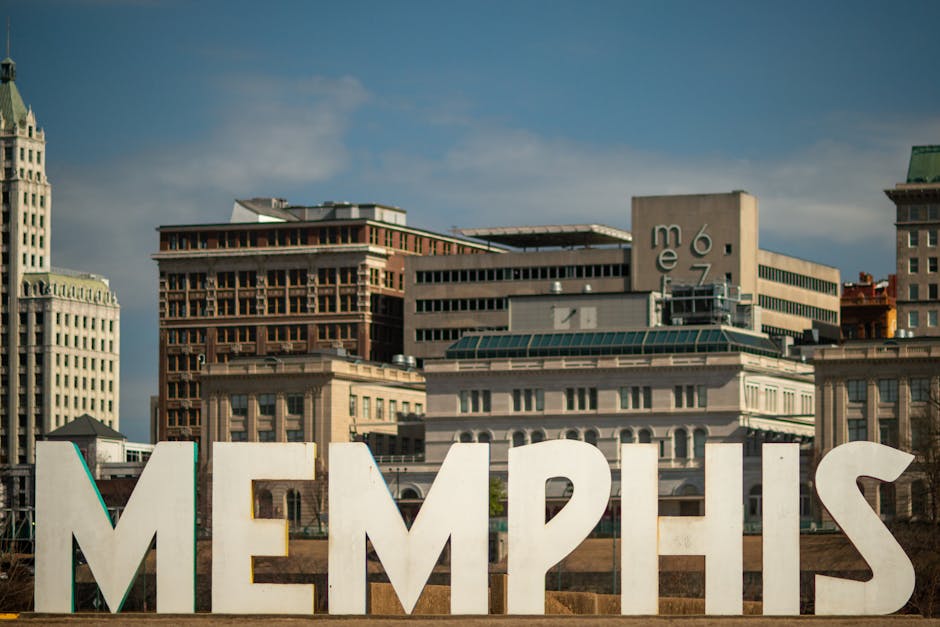
- A federal crackdown in Memphis turned into a civil rights battle after a group of residents filed a lawsuit against Operation Legend.
- The lawsuit alleges widespread harassment and unlawful surveillance by federal agents in the city’s most vulnerable communities.
- Plaintiffs claim agents detained bystanders, confiscated recording devices, and used aggressive tactics without probable cause.
- The allegations disproportionately targeted Black residents, sparking concerns about racial profiling.
- The lawsuit was filed in response to the Trump administration’s 2020 launch of Operation Legend in Memphis.
On a humid Tuesday evening in South Memphis, as the sun dipped behind the crumbling brick facades of vacant storefronts, a crowd gathered near the intersection of Mississippi Boulevard and Walker Avenue. A group of federal agents, clad in tactical gear and driving unmarked vehicles, moved swiftly through the neighborhood, conducting warrant sweeps tied to a multi-agency anti-violence initiative. Among the onlookers was 34-year-old Keisha Daniels, who raised her phone to record the scene—only to be abruptly approached, questioned without cause, and warned that filming law enforcement was “suspicious behavior.” Within days, Daniels became one of ten plaintiffs in a federal lawsuit alleging a pattern of constitutional violations by a Trump-backed interagency task force operating in one of the city’s most vulnerable communities.
Allegations of Systemic Abuse Emerge

The lawsuit, filed in the U.S. District Court for the Western District of Tennessee, accuses Operation Legend—a federal initiative launched in 2020 under the Trump administration—of conducting widespread harassment and unlawful surveillance in Memphis. Plaintiffs allege that agents from the FBI, U.S. Marshals Service, and Tennessee Bureau of Investigation routinely detained bystanders, confiscated recording devices, and used aggressive tactics without probable cause. According to the complaint, these actions were disproportionately directed at Black residents and occurred even when individuals were not suspected of any crime. The suit cites multiple incidents, including the July 2023 detention of a teenager who filmed agents entering a relative’s home, and the intimidation of community activists distributing water to onlookers. Civil rights attorneys argue the task force’s operations have violated the First and Fourth Amendments, fostering an atmosphere of fear rather than public safety. Legal filings reference body camera footage and witness testimonies that allegedly support claims of misconduct.
The Origins of Operation Legend

Operation Legend was announced by then-Attorney General William Barr in July 2020, amid nationwide protests over police brutality and racial injustice. Named after four-year-old LeGend Taliferro, who was fatally shot in Kansas City, the initiative deployed federal agents to cities with rising homicide rates, including Chicago, Albuquerque, and Memphis. Officials claimed the task force would target violent criminals and illegal firearms, leveraging interagency coordination to dismantle drug and gang networks. In Memphis, the program intensified in 2021 as part of a broader federal response to a spike in gun violence. However, critics questioned the strategy from the outset, noting that rapid deployments often bypassed local oversight and community engagement. A 2021 report by the Reuters investigation found that arrests under the operation rarely led to major convictions and often targeted low-level offenses. Despite these concerns, funding and personnel for the task force in Memphis were extended through 2023 under bipartisan crime reduction grants.
The People Behind the Lawsuit

The plaintiffs in the suit represent a cross-section of Memphis’s civic life—teachers, students, nonprofit organizers, and neighborhood advocates—all of whom say they were targeted simply for observing or documenting law enforcement. Their lead attorney, Jamila Johnson of the Southern Poverty Law Center, argues that the actions of the task force are not isolated incidents but part of a deliberate strategy to suppress scrutiny. “When you intimidate people who are filming, you’re not just violating their rights—you’re undermining accountability,” Johnson said in an interview. Meanwhile, current and former task force members, speaking anonymously due to departmental policies, have described internal pressure to produce high arrest numbers, which they claim incentivized aggressive street policing. City councilmember Chase Turner, whose district includes several neighborhoods affected by the raids, has called for an independent audit, stating, “We support public safety, but not at the cost of civil liberties.”
Consequences for Trust and Policing

The lawsuit’s implications extend beyond legal liability. In Memphis, where historical tensions between law enforcement and Black communities remain raw, the allegations threaten to erode already fragile trust. Community leaders warn that fear of surveillance may deter residents from cooperating with legitimate investigations or reporting crimes. Local organizations like the Memphis Community Rights Project have reported a 40% drop in citizen engagement with police outreach programs since the task force’s 2022 expansion. Moreover, legal experts suggest the case could set a precedent for how federal law enforcement conducts operations in urban areas, particularly regarding the right to record public officials. If the court finds systemic abuse, it could prompt sweeping reforms, including mandatory body cameras, stricter use-of-force policies, and new protocols for civilian interaction.
The Bigger Picture
This case is not just about Memphis—it reflects a national debate over the balance between security and civil rights. Federal task forces have become a fixture in American cities grappling with violence, but their expansion often occurs without transparent metrics or community consent. The Memphis lawsuit challenges the assumption that more policing equals safer streets, especially when tactics alienate the very people they aim to protect. As federal agencies continue to deploy in cities under various crime initiatives, the legal and moral boundaries of such operations demand scrutiny. The outcome could influence how future administrations approach urban law enforcement and whether accountability mechanisms keep pace with enforcement power.
What happens next may hinge on the court’s willingness to confront institutional overreach. Discovery in the case is set to begin in early 2025, with depositions scheduled for key task force commanders. Meanwhile, community organizers are pushing for a city ordinance that would require advance notice and public hearings before any federal law enforcement deployment. As Memphis grapples with both violence and oversight, the lawsuit stands as a stark reminder: public safety must be rooted in justice, not fear.
Source: Al Jazeera