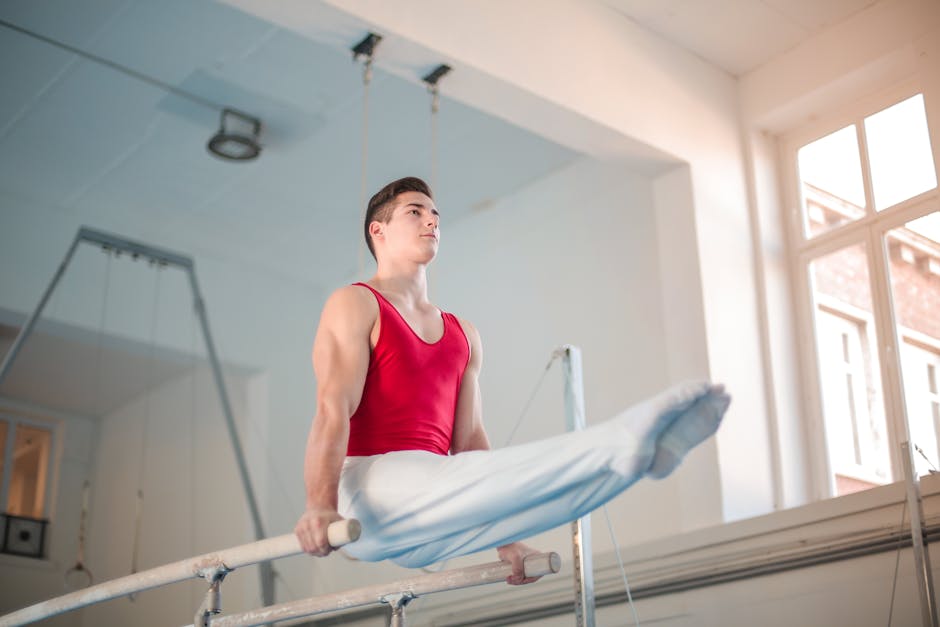
- Max Whitlock, a British gymnast, has reversed his retirement decision to train for the 2028 Summer Olympics in Los Angeles.
- Whitlock, 30, aims to win an Olympic medal in his fourth Games, following London 2012, Rio 2016, and Tokyo 2020.
- The gymnast has started training under the British Gymnastics high-performance program to rebuild his strength and perfect new routines.
- Whitlock’s family recognized his desire for a comeback, citing the fire in his eyes as evidence of his determination.
- The Los Angeles 2028 Olympics will mark Whitlock’s first time competing in the United States, a new challenge for the experienced gymnast.
It was a quiet morning in Chelmsford, Essex, when Max Whitlock stood once more on the springy blue mat of his home gym, hands chalked, heart pounding. Sunlight streamed through the high windows of the South Essex Gymnastics Club, where posters of his past triumphs still hang—London 2012, Rio 2016, Tokyo 2020—frozen moments of glory. But this morning felt different. There was no official announcement, no press corps, only the soft thud of his landings and the whisper of determination. At 30, many would have settled into retirement, content with three Olympic medals, including Britain’s first-ever gold in artistic gymnastics. But Whitlock wasn’t done. The spark had returned, brighter than ever, and with it, a quiet resolve: the dream of stepping onto an Olympic podium in Los Angeles 2028 was not just plausible—it was necessary.
Back in the Gym, Eyes on LA 2028

Whitlock has officially reversed his retirement decision, confirming his intent to train for the 2028 Summer Olympics in Los Angeles. In a recent interview, he described himself as “massively fired up,” dispelling any notion that the comeback was born of hesitation or regret. Far from needing to convince his family, he says they recognized the fire in him immediately. “I didn’t have to persuade anyone,” Whitlock emphasized. “They could see it in my eyes.” Now training under the British Gymnastics high-performance program, Whitlock is rebuilding his strength and refining routines tailored to the evolving Code of Points. His focus remains on the pommel horse, his signature apparatus, where he remains one of the most technically precise performers in history. While the road to LA is long—especially for a gymnast in his thirties—his return has already galvanized the UK’s gymnastics community, with coaches and teammates hailing his influence as both mentor and competitor.
From Retirement to Renewal

Whitlock’s initial retirement announcement in late 2022 came after a taxing Olympic cycle marked by injuries and intense mental strain. Following his bronze medal on pommel horse at the Tokyo Games—delayed to 2021 due to the pandemic—he stepped away, citing the need to prioritize family and long-term health. For a time, he transitioned into public appearances, commentary, and youth coaching, seemingly closing a decorated chapter. But the pull of elite competition never fully faded. The 2024 Paris Olympics, where Britain failed to medal in men’s artistic gymnastics, served as a catalyst. Watching from the sidelines, Whitlock felt a void. In interviews, he’s described a growing sense that his experience and technical mastery could still shape the future of the sport in Britain. The decision to return wasn’t impulsive; it followed months of consultation with physiotherapists, sports psychologists, and British Gymnastics officials to ensure a sustainable, injury-conscious path forward.
The Man Behind the Comeback

At the heart of Whitlock’s return is a rare blend of humility and relentless ambition. Coaches describe him as deeply introspective, someone who measures success not just in medals but in mastery. His wife, Leah, a former gymnast herself, has been instrumental in supporting his return, providing both emotional grounding and technical insight. Their two young children, while unaware of the global significance of their father’s career, have become inadvertent motivators—Whitlock has spoken of wanting to show them what perseverance looks like. Also influential is his long-time coach, Scott Hann, who has remained a constant throughout Whitlock’s career. Their partnership, built over nearly two decades, is rooted in mutual trust and meticulous attention to detail. Together, they’re reengineering routines to meet the demands of modern gymnastics, where difficulty scores are soaring and margins for error razor-thin.
Impact on British Gymnastics

Whitlock’s comeback carries significant implications for British gymnastics, a program still striving to maintain relevance on the global stage. His return offers both symbolic inspiration and practical leadership, particularly for younger athletes navigating the sport’s grueling demands. His presence in training camps elevates the overall intensity and technical standards, while his international profile helps draw media and sponsor attention back to the discipline. Moreover, with the 2026 Commonwealth Games on the horizon and the 2028 Olympics looming, Whitlock’s experience could prove invaluable in team selection and strategic planning. However, challenges remain: adapting to a younger, more dynamic field and managing the physical toll of high-level training at an age when most gymnasts have long retired. Yet, his medical team remains optimistic, citing advances in sports science and recovery protocols that now support longer athletic careers.
The Bigger Picture
Whitlock’s story transcends sport—it speaks to the evolving narrative of athletic longevity and purpose. In an era where athletes like Simone Biles and Tom Daley redefine retirement and legacy, Whitlock’s journey reflects a broader shift: the idea that peak performance and personal fulfillment need not end at 30. His comeback underscores the importance of mental resilience, evolving support systems, and the enduring allure of excellence. For fans and aspiring gymnasts, it’s a reminder that passion, when nurtured, can reignite even after it seems extinguished.
What comes next is no longer about redemption or farewell tours. It’s about possibility. Max Whitlock hasn’t just returned to the mat—he’s redefined what’s possible for a gymnast in his second act. As the world turns its eyes toward Los Angeles 2028, one thing is certain: the chalk will fly, the crowd will rise, and Whitlock will be there, not as a legend resting on past glory, but as a competitor with fire still burning. The journey is far from over.
Source: Sky Sports