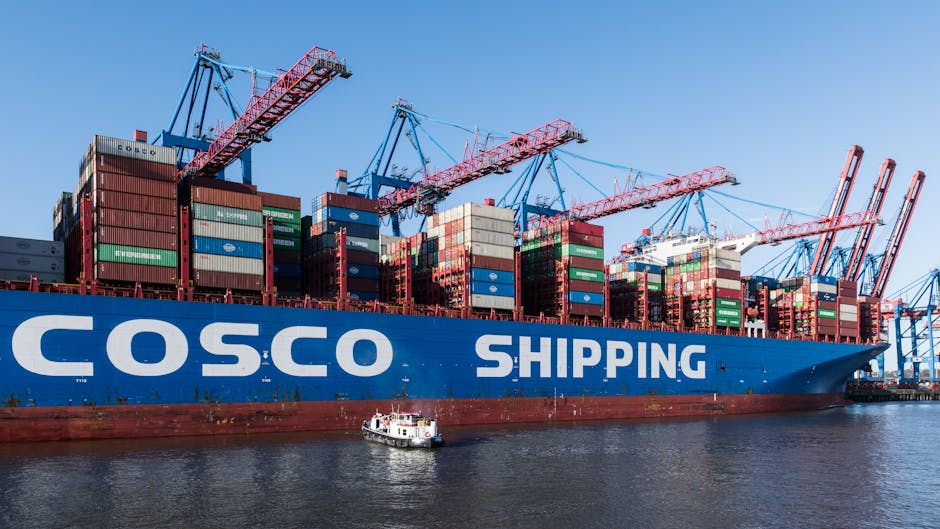
- The US-China relationship is characterized by deep interdependence, with China being the largest trading partner of the US, exceeding $600 billion in 2020.
- The trade relationship involves not only goods but also services, investment, and technology, with US companies investing over $100 billion in China.
- Key players, including governments, businesses, and individuals, shape the US-China relationship, with the US Department of State playing a crucial role in shaping foreign policy.
- The US-China ties have a long history of diplomatic, economic, and cultural exchange, shaping global politics, trade, and security.
- Despite their complex relationship, the US and China have developed a deep and intricate web of ties that continue to evolve and shape the global landscape.
The relationship between the United States and China is one of the most complex and multifaceted in the world. With a long history of diplomatic, economic, and cultural exchange, the two countries have developed a deep and intricate web of ties that shape global politics, trade, and security. In this article, we will explore five key aspects of US-China relations that are often overlooked or misunderstood, providing a nuanced understanding of the dynamics at play.
Evidence of Interdependence

The trade relationship between the US and China is a prime example of the interdependence that characterizes their ties. According to data from the US Census Bureau, China is the largest trading partner of the US, with bilateral trade exceeding $600 billion in 2020. This trade is not limited to goods, but also includes services, investment, and technology. The Reuters reports that US companies have invested over $100 billion in China, while Chinese companies have invested over $50 billion in the US.
Key Players and Their Roles

The US-China relationship is shaped by a range of key players, including governments, businesses, and individuals. On the US side, the US Department of State plays a crucial role in shaping foreign policy, while the US Department of Commerce is responsible for promoting trade and investment. In China, the State Council and the Ministry of Commerce play similar roles. Companies such as Apple and Huawei are also major players, with significant investments and operations in both countries.
Trade-Offs and Challenges

The US-China relationship is marked by a range of trade-offs and challenges, including tensions over trade, security, and human rights. The BBC reports that the US has imposed tariffs on over $360 billion worth of Chinese goods, while China has retaliated with tariffs on over $100 billion worth of US goods. These tensions have significant implications for businesses and consumers in both countries, as well as for the global economy. Furthermore, the Human Rights Watch has raised concerns about human rights abuses in China, particularly in the Xinjiang region.
Timing and Turning Points

The US-China relationship has undergone significant changes in recent years, driven by a range of factors including the election of President Donald Trump and the COVID-19 pandemic. The New York Times reports that the US-China trade war has had a major impact on the global economy, with significant implications for businesses and consumers. The pandemic has also accelerated the shift towards deglobalization and the reconfiguration of global supply chains.
Where We Go From Here
Looking ahead, there are several possible scenarios for the US-China relationship over the next 6-12 months. One scenario is a continued escalation of tensions, driven by ongoing trade and security disputes. A second scenario is a gradual improvement in relations, driven by the easing of trade tensions and the expansion of economic cooperation. A third scenario is a major crisis or turning point, such as a conflict over Taiwan or a significant escalation of human rights abuses in China. According to the Council on Foreign Relations, the US and China must work together to address global challenges such as climate change and pandemics.
In conclusion, the US-China relationship is complex, multifaceted, and marked by a range of trade-offs and challenges. As the two countries navigate their differences and seek to cooperate on areas of common interest, it is essential to understand the hidden dynamics and surprising facts that shape their ties.
Source: Al Jazeera