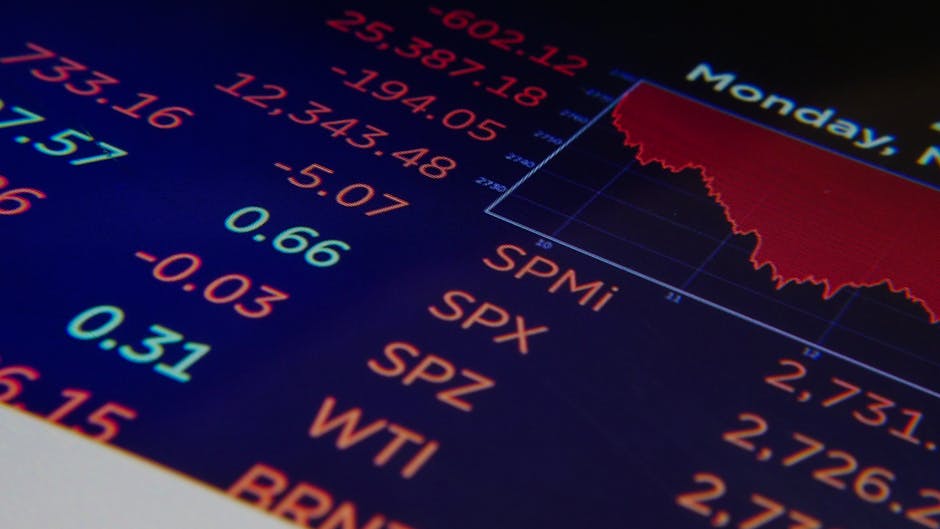
- The US long-bond rate has reached 5% for the first time since 2007, sparking debate about the US economy’s future.
- A 5% long-bond rate indicates investors demand higher returns to compensate for perceived risks in the economy.
- The long-bond rate is a key indicator of the economy’s health, reflecting market expectations of inflation and growth.
- Global and domestic factors, including a failed war on Iran, have contributed to the economy’s instability.
- Investors and analysts are closely watching the US economy, seeking answers to its current challenges.
The question on everyone’s mind is what the recent surge in long-bond rates to 5% for the first time since 2007 means for the US economy. As the economy continues to feel the effects of various global and domestic factors, including a failed war on Iran, investors and analysts alike are looking for answers. The long-bond rate is a key indicator of the economy’s health, and this significant increase has sparked intense debate and speculation about the future of the US economy.
Understanding the Long-Bond Rate

The long-bond rate, also known as the 30-year Treasury bond rate, is the interest rate at which the US government borrows money for a 30-year period. A 5% long-bond rate means that investors can earn a 5% return on their investment in 30-year Treasury bonds. This rate is influenced by various factors, including inflation expectations, economic growth, and monetary policy. In this context, the increase in the long-bond rate to 5% suggests that investors are demanding higher returns to compensate for the perceived risks in the economy.
Supporting Evidence and Expert Insights

According to a report by Bloomberg, the 5% long-bond rate is a significant milestone that reflects the market’s expectations of future inflation and economic growth. Experts, such as those at the Reuters news agency, point out that this increase in the long-bond rate may lead to higher borrowing costs for consumers and businesses, which could, in turn, slow down economic growth. As noted by the Federal Reserve, the long-bond rate is an important indicator of the economy’s overall health.
Counter-Perspectives and Skeptical Views

Not everyone agrees that the 5% long-bond rate is a cause for concern. Some skeptics argue that the increase in the long-bond rate is a natural response to the economy’s growth and inflation expectations. They point out that a 5% long-bond rate is still relatively low compared to historical standards and that it may actually attract more investors to the US bond market. Others argue that the impact of the long-bond rate on the economy is overstated and that other factors, such as monetary policy and global events, will have a more significant impact on the economy’s trajectory.
Real-World Impact and Concrete Examples

The increase in the long-bond rate to 5% will have real-world consequences for consumers, businesses, and investors. For example, higher borrowing costs may lead to increased mortgage rates, making it more expensive for people to buy or refinance homes. Similarly, businesses may face higher borrowing costs, which could affect their ability to invest and expand. On the other hand, investors may see the 5% long-bond rate as an opportunity to earn higher returns on their investments, which could lead to increased demand for Treasury bonds.
What This Means For You
The 5% long-bond rate has significant implications for individuals and businesses. It may lead to higher borrowing costs, which could affect your ability to buy a home, start a business, or invest in the stock market. However, it also presents opportunities for investors to earn higher returns on their investments. As the economy continues to evolve, it is essential to stay informed and adapt to the changing landscape.
As we look to the future, one question remains: how will the 5% long-bond rate impact the overall health of the US economy? Will it lead to a slowdown in economic growth, or will it attract more investors and stimulate growth? Only time will tell, but one thing is certain – the 5% long-bond rate is a significant development that warrants close attention and analysis.
Source: Reddit