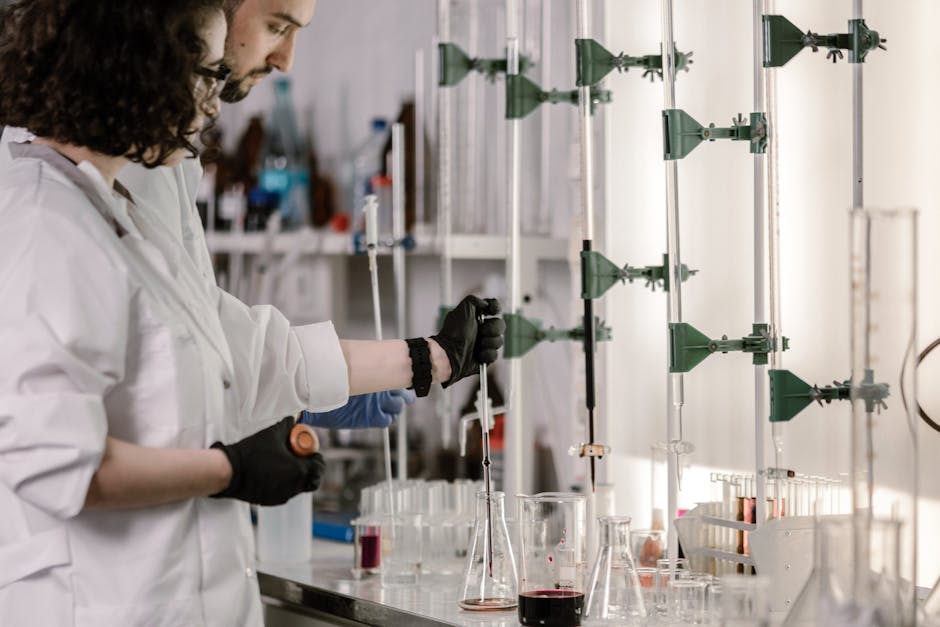
- Researchers at UC Davis have synthesized non-hallucinogenic compounds that alleviate depression and anxiety symptoms.
- These compounds activate serotonin 2A receptors without inducing psychedelic experiences.
- The discovery suggests that the therapeutic benefits of psychedelics may not require a mind-altering trip.
- The new compounds could lead to more accessible and scalable treatments for depression and mood disorders.
- This breakthrough opens a new frontier in neuropsychopharmacology and mental health research.
In a landmark discovery that could redefine psychiatric treatment, researchers at the University of California, Davis have synthesized a new class of psychedelic-like compounds that alleviate symptoms associated with depression and anxiety—without inducing hallucinations. In animal studies, these molecules activated serotonin 2A receptors, long linked to the therapeutic effects of psychedelics like psilocybin and LSD, yet failed to trigger head-twitch responses, a reliable behavioral marker of psychedelic activity in mice. This decoupling of therapeutic potential from psychedelic experience marks a pivotal shift, suggesting that the mind-altering trip may not be necessary for mental health benefits—a finding that could accelerate the development of scalable, accessible treatments for millions suffering from mood disorders. The work, published in the journal Nature, opens a new frontier in neuropsychopharmacology.
Why the Trip Isn’t Always Necessary

For over a decade, psychedelics have re-emerged as promising tools in mental health, with clinical trials showing rapid and sustained improvements in depression, PTSD, and addiction. However, their hallucinogenic effects pose significant barriers: strict regulatory oversight, the need for supervised administration, and patient reluctance due to fear of intense psychological experiences. The UC Davis team questioned a central assumption—that the psychedelic ‘trip’ is inseparable from the therapeutic benefit. By focusing on serotonin 2A (5-HT2A) receptor activation, known to stimulate neuroplasticity, they aimed to isolate the healing mechanisms from perceptual changes. Their breakthrough came from an unexpected source: photochemistry. By exposing amino acid-based precursors to ultraviolet (UV) light, they generated entirely new molecular structures with selective activity on brain pathways tied to mental resilience—offering hope for an oral, non-hallucinogenic alternative to current psychedelic therapies.
Synthetic Innovation Through Light Activation

The UC Davis team, led by chemistry professor David E. Olson, engineered their novel compounds using a technique called photopharmacology—using light to trigger chemical transformations. Starting with simple amino acids, common building blocks of proteins, they applied UV light to induce ring-forming reactions, yielding previously unknown psychedelic-like molecules. These compounds, which the researchers call “psychoplastogens” for their ability to promote rapid neural growth and structural change in the brain, were then tested in vitro and in vivo. Crucially, while they strongly activated the 5-HT2A receptor—associated with increased brain plasticity and fast-acting antidepressant effects—they did not produce the head-twitch response in mice, a gold-standard indicator of hallucinogenic potential. This functional selectivity suggests the compounds engage only a subset of downstream signaling pathways, avoiding those linked to altered perception. The discovery demonstrates that molecular structure and receptor interaction dynamics can be fine-tuned to separate therapeutic from psychoactive outcomes.
Decoupling Healing from Hallucination

The implications of separating neuroplasticity from hallucination are profound. Traditional psychedelics like psilocybin work by overstimulating 5-HT2A receptors, leading to a cascade of intracellular signals that both alter consciousness and promote synaptic growth. The UC Davis compounds, however, appear to selectively activate the plasticity-promoting pathways—such as those involving mTOR and BDNF (brain-derived neurotrophic factor)—while avoiding those tied to Gq protein signaling, which may drive hallucinations. This “biased signaling” approach is gaining traction in drug development, allowing for precision targeting of therapeutic effects. “It’s like tuning a radio to one station without picking up static from another,” explained Olson in a university statement. The team’s findings challenge the long-held belief that the psychedelic experience is a prerequisite for lasting mental health improvement, potentially paving the way for daily medications rather than one-time, therapist-guided sessions.
Who Stands to Benefit Most

If these compounds prove safe and effective in humans, they could transform treatment for millions with treatment-resistant depression, PTSD, and substance use disorders—conditions where conventional antidepressants often fail or take weeks to work. Unlike current psychedelics, which require controlled settings and trained facilitators, a non-hallucinogenic version could be prescribed like any other psychiatric medication, increasing accessibility and reducing cost. Veterans, adolescents, and patients in underserved communities could benefit most, as they often face logistical, cultural, or psychological barriers to psychedelic therapy. Moreover, eliminating the hallucinogenic component reduces risks for individuals with psychosis or severe anxiety, broadening the eligible patient pool. Pharmaceutical companies are already showing interest, though researchers caution that human trials are still years away, and long-term safety profiles remain unknown.
Expert Perspectives
While the results are promising, experts urge cautious optimism. Dr. Robin Carhart-Harris, former head of psychedelic research at Imperial College London, noted that the subjective psychedelic experience may still play a meaningful role in therapeutic outcomes for some patients. “The trip can be a catalyst for insight and emotional release,” he said in a prior interview with The Guardian. Conversely, others like Dr. John Krystal of Yale University see the UC Davis work as a logical evolution. “If we can get the brain benefits without the perceptual chaos, that’s a win for scalability and safety,” he remarked. The debate underscores a deeper question in mental health: whether healing stems from biological changes, psychological experiences, or both.
As research progresses, the next steps include optimizing compound stability, bioavailability, and safety in primates before human trials begin. Scientists will also explore whether these drugs work as rapidly as traditional psychedelics and whether effects are durable. With mental health crises rising globally, the race is on to develop treatments that are not only effective but also practical. The UC Davis breakthrough suggests that the future of psychedelic medicine may not look—or feel—like the past.
Source: ScienceDaily