- Israeli airstrikes in southern Lebanon resulted in the deaths of 22 people, including eight children under the age of 12.
- The deadliest strike targeted a residential compound in Nabatieh, killing 13 people, including five children and two women.
- A strike in Dahieh, a densely populated district historically linked to Hezbollah, killed nine people and injured at least 34.
- The Israeli military claimed the airstrikes aimed to neutralize Hezbollah operatives and weapons storage facilities.
- Residential areas in southern Lebanon and the southern suburbs of Beirut were hit by the Israeli airstrikes.
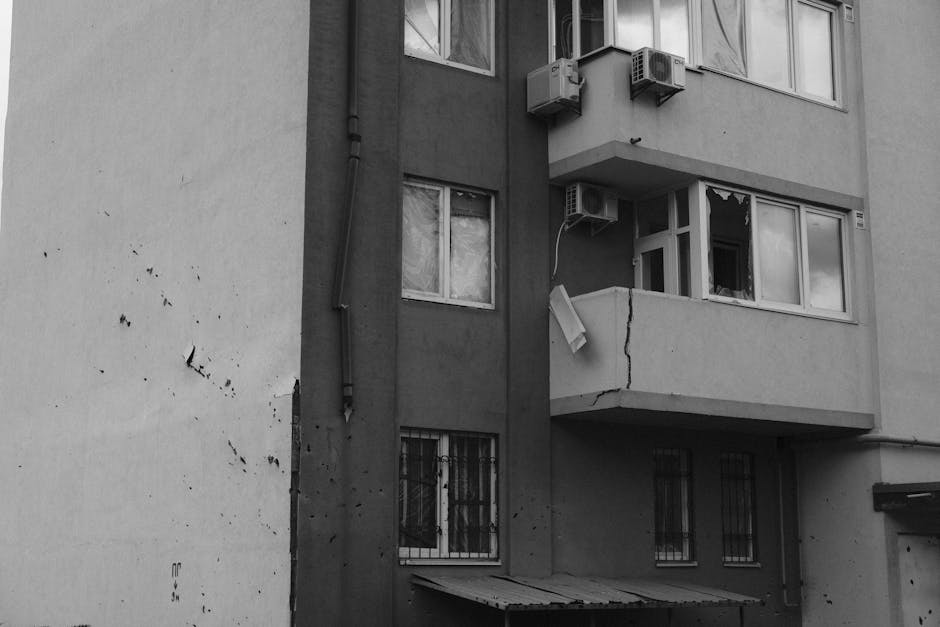
Smoke curled into a leaden sky above the hills of Nabatieh, where the scent of burnt concrete and damp earth clung to the air. Rescue workers in blue helmets and dust-coated jackets clawed through the rubble of a three-story building reduced to jagged slabs and twisted rebar. A child’s sandal lay half-buried beneath a slab, its mate nowhere in sight. In the distance, the wail of ambulances pierced the silence between sporadic explosions. This was southern Lebanon on a Tuesday morning transformed—once a landscape of olive groves and quiet villages, now a patchwork of cratered roads and shattered homes. The toll, delivered hours later by the Lebanese Ministry of Public Health, was grim: 22 people dead, eight of them children under the age of 12, with dozens more wounded.
Deadly Strikes Hit Residential Areas

According to Lebanese health officials, a series of Israeli airstrikes targeted multiple locations in southern Lebanon and the southern suburbs of Beirut, known as Dahieh, late Monday and into Tuesday. The deadliest strike struck a residential compound in Nabatieh, killing 13 people, including five children and two women. In Dahieh, a densely populated district historically linked to Hezbollah, another strike hit a multi-unit apartment building, killing nine and injuring at least 34. The Israeli military confirmed the operations, stating they were aimed at neutralizing Hezbollah operatives and weapons storage facilities. In a brief statement, the IDF said it had conducted “precise, intelligence-driven strikes” against “terror targets” embedded in urban areas. However, local medics and human rights observers noted that no military assets were visibly present at the sites post-strike, raising concerns over civilian targeting and proportionality under international law. Reuters reported that first responders struggled to reach some areas due to secondary explosions and blocked roads.
Months of Escalation Along the Border

The violence did not erupt in isolation. Since October 2023, the Israel-Lebanon border has become one of the most volatile frontlines in the Middle East, as Hezbollah engaged in near-daily exchanges of fire with Israeli forces in solidarity with Hamas during the Gaza war. What began as limited rocket and drone attacks has steadily escalated into deeper airstrikes and artillery barrages. By early 2024, Israel had expanded its targeting beyond border outposts to include Hezbollah command nodes and logistics hubs deeper inside Lebanese territory. The United Nations Interim Force in Lebanon (UNIFIL) reported over 4,500 cross-border incidents in the first six months of the year—more than double the previous annual high. Despite repeated diplomatic efforts by France, the United States, and the UN to broker a ceasefire, each attempt faltered amid mutual distrust and maximalist demands. Analysts at the International Crisis Group warn that the current strikes may represent a shift from reactive to preemptive targeting, suggesting Israel may be laying the groundwork for a broader military campaign should diplomacy continue to fail.
Leaders and Militias in the Crosshairs

The actions on both sides are shaped by leaders operating under intense pressure. On the Israeli side, Prime Minister Benjamin Netanyahu faces a security cabinet increasingly impatient with Hezbollah’s growing arsenal, which is estimated to include over 150,000 rockets. Military advisors have long warned that any future war with Hezbollah could be far more destructive than the 2006 conflict, which displaced a million people and caused billions in damages. In Beirut, Hezbollah Secretary-General Hassan Nasrallah has framed the group’s actions as resistance against occupation, vowing not to stand idle while Gaza suffers. Yet, his strategy has drawn criticism from within Lebanon, where many civilians—particularly in the south—bear the brunt of retaliation. Civil society groups in Beirut and Tyre have accused both Hezbollah and the Israeli military of using population centers as shields, though independent verification remains difficult due to restricted access. The Lebanese Armed Forces, weakened by economic collapse and political paralysis, have largely remained on the sidelines, further ceding influence to the Iran-backed militia.
Human Cost and Regional Fallout

The consequences of the strikes stretch far beyond the immediate death toll. Thousands of Lebanese families have fled their homes in the south, many for the second or third time in two decades. Makeshift shelters in Sidon and Zahlé are overflowing, with aid agencies struggling to provide clean water and medical care. The World Health Organization has warned of a looming public health crisis, particularly in areas where hospitals are already under-resourced. Regionally, the strikes risk igniting a wider conflagration. Jordan and Egypt, both signatories to peace treaties with Israel, have issued urgent calls for restraint. Meanwhile, Iran has condemned the attacks as “aggression against Arab sovereignty,” raising the specter of deeper involvement. Israel, for its part, has placed additional troops along its northern border and authorized the evacuation of several kibbutzim near the frontier, signaling it anticipates prolonged hostilities.
The Bigger Picture
This latest escalation is not merely a border skirmish—it is a symptom of a region in systemic crisis. The Gaza war has fractured long-standing deterrence frameworks, emboldening non-state actors and eroding diplomatic guardrails. Lebanon, already reeling from economic collapse and political stagnation, now faces the very real possibility of full-scale war. The international community’s inability to enforce ceasefires or protect civilians underscores a broader failure of multilateral institutions in the 21st century. As drones and missiles rewrite the rules of engagement, the space for de-escalation narrows by the day.
What comes next remains uncertain. Diplomats are quietly exploring backchannel negotiations, but with public sentiment hardening on all sides, even a temporary truce appears distant. The rubble in Nabatieh will take months to clear. The lives lost cannot be reclaimed. Yet, without urgent intervention—by regional powers and global actors alike—the cycle of retaliation threatens to spiral beyond control, turning southern Lebanon into a graveyard not just of buildings, but of hope.
Source: BBC