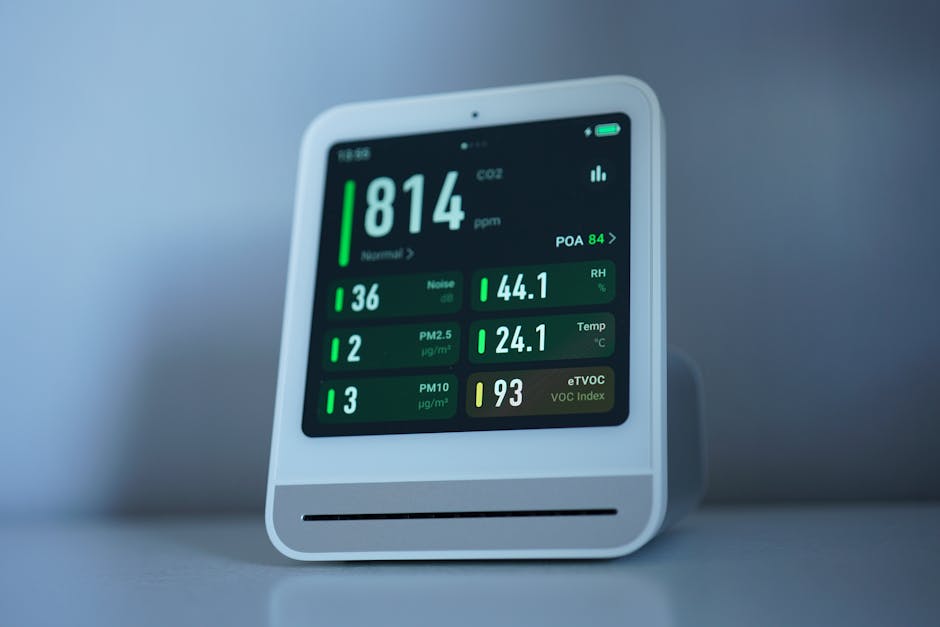
- The safety of the air at Pali High School remains uncertain despite official clearance from local health authorities.
- Independent experts warn that standard air quality tests may miss fine particulate matter and volatile organic compounds that can persist in building materials.
- Dr. Elena Ruiz notes that current protocols focus on outdoor air during active fires, but contamination can be trapped in carpets, curtains, and ventilation systems.
- The Los Angeles Unified School District claims air quality tests show toxin levels below federal thresholds, but parents remain concerned.
- Pali High School’s older campus may be more vulnerable to contamination due to its building materials and infrastructure.
Will my child be safe returning to school after the skies turned orange and the air burned our lungs? That’s the urgent question haunting parents across Los Angeles, especially those whose teens attend Pali High School. After devastating wildfires swept through nearby canyons, sending plumes of smoke laced with carcinogens into classrooms, families are grappling with invisible threats. The fires may be out, but the aftermath lingers—in dust, in HVAC filters, in the shallow breaths of children with asthma. With the campus reopening under pressure to resume normalcy, many wonder: has enough been done to ensure a truly safe environment, or are students being asked to trust assurances that science hasn’t yet confirmed?
Is the Air at Pali High Safe to Breathe Now?

Despite official clearance from local health authorities, the safety of the air inside and around Pali High remains uncertain. While the Los Angeles Unified School District (LAUSD) claims air quality tests show toxin levels below federal thresholds, independent experts point out that standard screenings often miss fine particulate matter (PM2.5) and volatile organic compounds (VOCs) that can persist in building materials long after smoke clears. Dr. Elena Ruiz, an environmental health scientist at UCLA, explains, “Current protocols focus on outdoor air during active fires, but we’re seeing contamination trapped in carpets, curtains, and ventilation systems.” Pali High, like many older campuses, has aging HVAC units that may not filter ultrafine particles effectively, raising concerns about chronic exposure. The district has promised upgrades, but parents say implementation has been slow and inconsistent.
What Do Air Quality Tests and Experts Reveal?

Data from the South Coast Air Quality Management District (SCAQMD) recorded PM2.5 levels near Pali High at over 150 micrograms per cubic meter during peak fire events—ten times the WHO’s recommended limit. Although levels have since dropped, indoor testing conducted by a parent-led coalition found elevated benzene and formaldehyde residues in classrooms, especially in portable units with poor airflow. A report published by the CDC confirms that such chemicals, even in low doses, can impair lung development in adolescents and exacerbate respiratory conditions. Dr. Marcus Lee, a pediatric pulmonologist at Children’s Hospital Los Angeles, warns, “Repeated exposure to post-wildfire pollutants is linked to increased ER visits for asthma in school-aged children.” Meanwhile, the school district maintains that cleaning crews used HEPA vacuums and replaced filters, but refuses to release third-party verification of post-cleanup air quality, fueling distrust.
Are Critics and Parents Overreacting?

Some officials argue that parental fears, while understandable, are outpacing the actual risk. LAUSD spokesperson Diane Tran stated, “We followed all state and federal guidelines for reoccupation. To delay further would harm students academically and emotionally.” Public health experts like Dr. Alan Wu from USC note that while residual toxins exist, the immediate danger has passed, and the psychological benefits of returning to routine may outweigh marginal environmental risks. Others caution against a one-size-fits-all approach, pointing out that vulnerable populations—children with asthma, immune disorders, or those living in high-exposure zones—face disproportionate threats. Still, skepticism remains high. At a recent school board meeting, dozens of parents demanded independent testing and real-time air monitoring. “They say it’s safe,” said Pali High parent Maria Gonzalez, “but my daughter came home coughing the first day back. How many cases do we need before it’s a pattern?”
What Are the Real-World Health Impacts on Students?

Early signs suggest health effects are already emerging. The school nurse at Pali High reported a 40% increase in visits for respiratory complaints in the first two weeks after reopening, with several students requiring inhaler use during class. One sophomore with no prior diagnosis was hospitalized with bronchitis, prompting concern among staff. Nearby schools in less affected areas reported no such spike, hinting at a localized issue. Additionally, teachers have complained of headaches and fatigue—symptoms consistent with low-level VOC exposure. While no official outbreak has been declared, the Los Angeles County Department of Public Health has opened an inquiry into indoor air quality at fire-affected schools. In the absence of clear data, some families have opted for remote learning, but not all have that option, deepening inequities in access to safe education.
What This Means For You
If your child attends a school recently exposed to wildfire smoke, don’t rely solely on official assurances—ask for detailed air quality reports and advocate for real-time monitoring. Consider providing N95 masks for commutes and check if your district has a plan for high-risk students. The situation at Pali High underscores a larger gap in how schools prepare for climate-related health threats. As wildfires grow more frequent and intense, outdated infrastructure and reactive policies put students at risk. Demand transparency, and know that your voice can push for systemic upgrades—better ventilation, air filtration, and emergency protocols that protect long-term health.
With climate change accelerating fire seasons, how will school districts adapt their health standards for an era of recurring smoke events? And if current guidelines aren’t designed for repeated exposure, when will they be updated to reflect the new normal?
Source: The New York Times