- Rich Danker’s resignation highlights the growing concern over flavored e-cigarette sales and their impact on youth tobacco prevention.
- The campaign’s endorsement of loosening restrictions on flavored e-cigarettes has sparked internal dissent among health policy advocates.
- Danker condemned the campaign’s stance as a ‘direct invitation to addiction among children,’ citing CDC data on youth e-cigarette use.
- This is the first high-profile internal dissent within Robert F. Kennedy Jr.’s campaign over public health policy.
- The resignation has sent shockwaves through the health policy world, where advocates have long warned about the dangers of flavored vaping products.
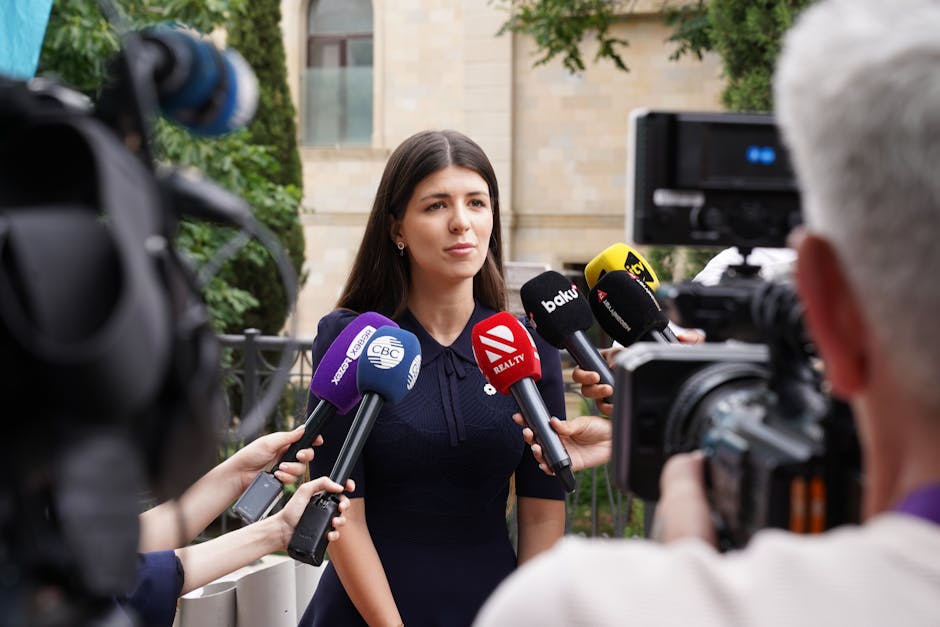
It was a crisp morning in Washington, D.C., when Rich Danker stepped out of the Kennedy campaign’s glass-walled office building, briefcase in hand, his face drawn with resolve. Reporters later described the scene: a man in a navy-blue suit pausing at the edge of the sidewalk, adjusting his glasses before disappearing into the Metro crowd. No press conference, no fanfare—just a resignation letter quietly delivered to the desks of senior staff and copied to President Donald Trump. Inside, Danker had laid bare his moral conflict: he could no longer, in good conscience, represent a public figure whose stance on flavored e-cigarettes threatened to undermine years of progress in youth tobacco prevention. The move sent shockwaves through the health policy world, where advocates had long warned that flavored vaping products were engineered to hook minors.
Spokesman Breaks Ranks Over Flavored Vape Sales

Rich Danker’s resignation marks the first high-profile internal dissent within Robert F. Kennedy Jr.’s political camp over public health policy. In his letter, obtained by Reuters, Danker explicitly condemned the campaign’s recent endorsement of loosening restrictions on flavored e-cigarette sales, calling it a “direct invitation to addiction among children.” He cited data from the Centers for Disease Control and Prevention (CDC) showing that over 2.1 million middle and high school students reported using e-cigarettes in the prior year, with flavors like mango, mint, and bubblegum ranking as the most popular. Danker argued that relaxing regulations would reverse hard-won gains from anti-tobacco campaigns and empower corporations to exploit adolescent vulnerability. His departure underscores a widening rift between political expediency and public health ethics, particularly as vaping rates among teens continue to climb despite federal warnings.
The Vaping Policy Shift That Sparked a Crisis

The controversy traces back to a quiet policy pivot made by RFK Jr.’s team in early 2024, when campaign advisors began advocating for deregulation of flavored vaping products under the banner of “personal freedom” and “harm reduction for adult smokers.” This position, while aligning with certain libertarian factions, directly contradicts the stance of major health institutions. The Food and Drug Administration (FDA) has repeatedly moved to restrict flavored e-cigarettes, citing their disproportionate appeal to minors. In 2021, the agency rejected marketing applications for thousands of flavored vape products, a decision upheld by federal courts. Yet, RFK Jr.’s camp framed the issue as one of government overreach, arguing that adults should have access to alternatives to combustible tobacco. Danker, a former public health communicator with two decades of experience, found this rationale untenable, especially given the mounting evidence of youth nicotine dependency linked to flavored vapes.
The Man Behind the Moral Stand

Rich Danker was not an accidental spokesman. A veteran of crisis communications in the health sector, he had previously worked with anti-smoking coalitions and contributed to national campaigns on tobacco prevention. Colleagues describe him as principled, meticulous, and deeply committed to evidence-based messaging. His decision to join RFK Jr.’s team was seen as a signal of the campaign’s initial dedication to public health advocacy—especially given Kennedy’s long-standing environmental and vaccine safety activism. But as internal discussions turned toward deregulation, Danker grew increasingly isolated. Sources within the campaign say he voiced concerns in multiple meetings, warning that supporting flavored vape sales would alienate health professionals and damage Kennedy’s credibility. When his objections were overruled, he chose to resign rather than lend his voice to what he called a “public health betrayal.”
Consequences for Public Health and Political Trust

Danker’s resignation carries significant weight beyond the immediate political fallout. It raises urgent questions about the integrity of health messaging in political campaigns and the vulnerability of public policy to ideological drift. Health experts fear that normalizing flavored e-cigarette access could erode years of progress in reducing youth smoking rates. The American Lung Association has warned that nicotine exposure during adolescence can impair brain development and increase the risk of lifelong addiction. Moreover, Danker’s public break with the campaign may embolden other insiders to speak out, potentially triggering a cascade of scrutiny over the influence of corporate interests in shaping health policy narratives. For parents, educators, and clinicians on the frontlines of adolescent health, the episode is a stark reminder of how quickly public health gains can be undermined by political compromise.
The Bigger Picture
This moment transcends one man’s resignation. It reflects a broader struggle over who controls the narrative on public health in an era of polarization. When political figures adopt positions that contradict scientific consensus—whether on vaccines, tobacco, or environmental toxins—they risk not only lives but trust itself. Danker’s stand is a rare example of an insider choosing ethics over allegiance, a decision that echoes the legacy of whistleblowers in medicine and government. In a climate where misinformation spreads faster than facts, figures like Danker serve as crucial bulwarks against the erosion of public well-being. His departure is not just a personnel change—it is a warning siren.
What comes next remains uncertain. The RFK Jr. campaign has yet to issue a formal response, though insiders suggest no policy reversal is imminent. Meanwhile, public health organizations are calling for greater transparency in political endorsements of health-related products. Danker has not spoken publicly since his resignation, but sources say he is consulting with advocacy groups on youth tobacco prevention. One thing is clear: in the battle between profit, politics, and public health, the line between complicity and courage has never been sharper.
Source: The New York Times