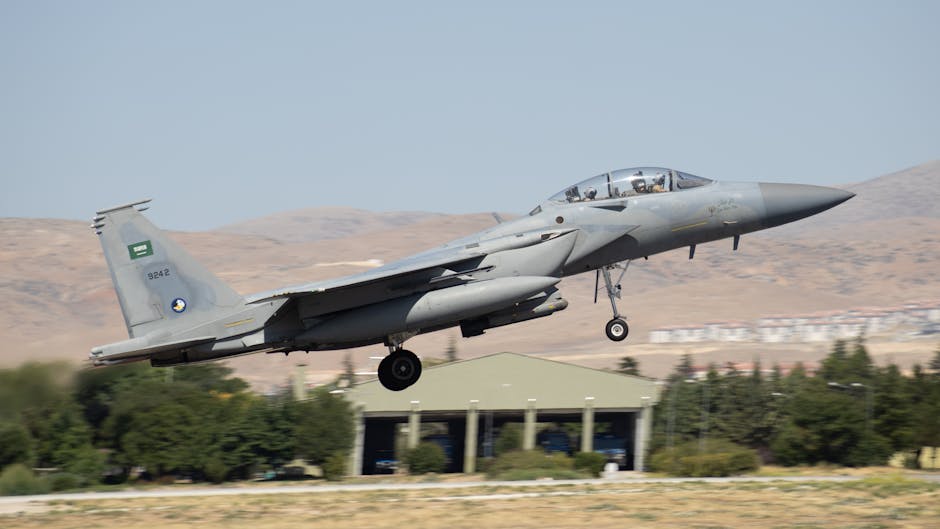
- Gulf states are taking matters into their own hands, no longer relying on the US for protection.
- Saudi Arabia and the UAE have orchestrated covert attacks inside Iran, escalating tensions in the region.
- These actions mark a shift in the shadow war between Gulf states and Tehran, with Gulf powers now taking proactive defense measures.
- The US security assurances have been exposed as fragile, prompting Gulf states to take matters into their own hands.
- Riyadh and Abu Dhabi are answering provocations with operations once reserved for global superpowers.
What happens when long-standing U.S. allies in the Middle East decide they can no longer rely on Washington for protection? That question has taken on urgent relevance after American officials confirmed that Saudi Arabia and the United Arab Emirates orchestrated covert attacks inside Iran—a bold and previously undisclosed escalation in the shadow war between Gulf states and Tehran. As regional tensions intensify, these actions mark a pivotal shift: Gulf powers are no longer waiting for American approval to defend their interests. The war in Gaza, coupled with repeated missile and drone threats from Iran-aligned groups, has exposed the fragility of U.S. security assurances. Now, Riyadh and Abu Dhabi are answering provocations with operations once reserved for global superpowers.
Did Saudi Arabia and the UAE really attack Iran?

Yes—according to multiple U.S. intelligence and defense officials who spoke on condition of anonymity due to the sensitivity of the matter, Saudi Arabia and the United Arab Emirates carried out a series of covert operations inside Iranian territory within the past year. These actions, which included cyber intrusions and sabotage of missile production facilities, were designed to degrade Iran’s ability to support proxy forces in Yemen, Syria, and Iraq. While neither Gulf state has publicly acknowledged responsibility, the operations align with a broader strategic recalibration. As American commitment to the region appears more conditional—particularly following withdrawals from Afghanistan and cautious responses to Houthi attacks on shipping—Saudi and Emirati leaders have concluded they must take matters into their own hands. These strikes represent not just retaliation, but a signal: Gulf states are building independent deterrence capabilities.
What evidence supports these covert attacks?

U.S. officials cite intercepted communications, satellite imagery, and cyber forensics linking the operations to intelligence units within Saudi and Emirati security agencies. In one instance, satellite photos analyzed by Reuters revealed unexplained damage at a missile production complex near Kermanshah in late 2023, coinciding with a reported cyber intrusion. American intelligence agencies assessed with high confidence that the attack disrupted supply chains for precision-guided weapons destined for Hezbollah. Former Pentagon officials familiar with Gulf military planning confirmed that both Saudi Arabia and the UAE have invested heavily in offensive cyber units and special operations forces trained for cross-border missions. As one defense analyst told BBC News, “The Gulf states aren’t just buying American weapons anymore—they’re learning how to use them offensively, without asking permission.”
Are there alternative explanations for the attacks?

Not all analysts agree that these operations were unilateral or even successful. Some experts caution that attributing covert actions in the Middle East is notoriously difficult, and Iran may have exaggerated the damage to justify its own regional aggression. Skeptics also argue that the U.S. may have played a more active role than acknowledged—providing intelligence, cyber tools, or even logistical support under the table. Others point out that such attacks risk spiraling into broader conflict; Iran has previously responded to perceived strikes with drone and missile barrages against Gulf energy infrastructure. Moreover, some regional diplomats warn that Arab states conducting operations on Iranian soil undermine decades of diplomatic norms, potentially inviting reciprocal attacks on their own territory. As one Gulf-based strategist noted, “The moment you cross the border—physically or digitally—you’re in a new kind of war, and there’s no reset button.”
What real-world consequences have followed?

The covert campaign has already reshaped regional dynamics. After the attacks, Iran temporarily halted missile shipments to the Houthis in Yemen, according to U.S. military assessments, briefly reducing attacks on Red Sea shipping lanes. Domestically, Saudi and Emirati leaders have used the operations to bolster narratives of national strength, particularly as they pursue ambitious modernization programs like Saudi Vision 2030. However, the risks remain high: in early 2024, Iranian-linked militias launched drone attacks on an Emirati oil facility, killing two workers—an event that nearly triggered a direct military response. Meanwhile, American officials are caught in a dilemma: they welcome efforts to counter Iranian aggression but fear losing control over escalation thresholds. The covert actions underscore a deeper truth: U.S. allies are no longer content to follow Washington’s lead.
What This Means For You
For global citizens, this shift signals a more fragmented and volatile international order, where regional powers act autonomously, often in shadows. It affects energy markets, military alliances, and the likelihood of unforeseen conflicts. As Gulf states build their own deterrence, the U.S. may find its influence waning—not through rejection, but through strategic bypassing. Consumers may face price swings if attacks disrupt oil infrastructure, and travelers could encounter heightened tensions in Middle Eastern airspace.
Yet one question remains unanswered: if Gulf states are now conducting secret wars, who holds them accountable? As the line between defense and aggression blurs, the world may soon face a Middle East where multiple actors wield covert power—with no clear rules of engagement.
Source: The New York Times