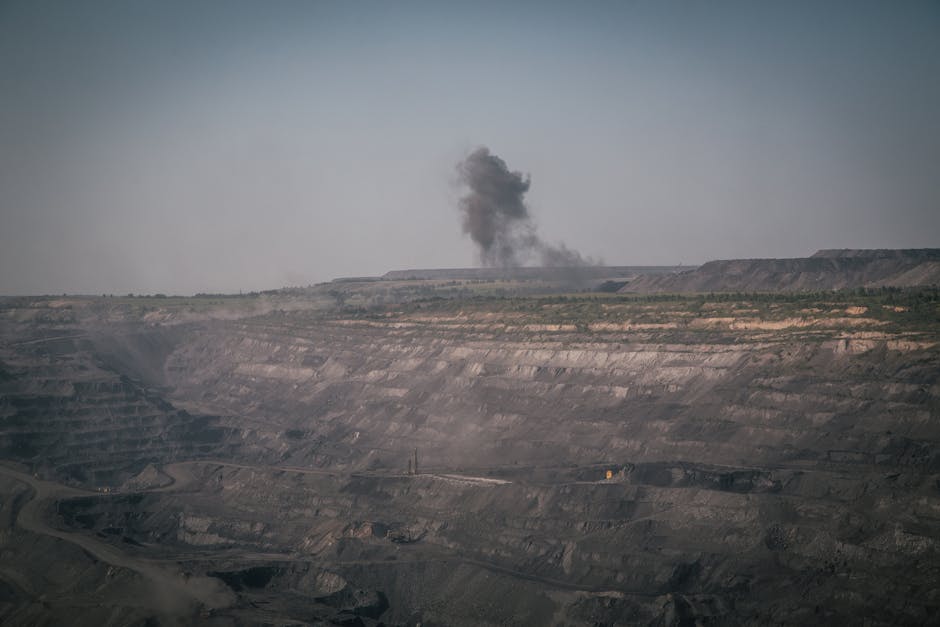
- A rare and tragic incident occurred in northern Saskatchewan, where a uranium exploration contractor was fatally attacked by a black bear.
- This marks the fourth confirmed fatal black bear encounter in Saskatchewan’s recorded history, breaking a decades-long pattern of non-lethal encounters.
- Black bear attacks on humans are infrequent across Canada, and fatal incidents are even rarer, especially in Saskatchewan.
- The remote mining site, located over 700 kilometers north of Saskatoon, highlights the isolation and inherent risks of resource exploration in Canada’s subarctic wilderness.
- The incident has reignited concerns about worker safety in remote industrial zones, where fatalities are exceptionally uncommon.
In a rare and tragic incident, a uranium exploration contractor was fatally attacked by a black bear at a remote mining site in northern Saskatchewan, marking only the fourth confirmed fatal black bear encounter in the province’s recorded history. The victim, a worker employed by a geological survey team operating near Wollaston Lake, was discovered by colleagues early in the morning after failing to return from an overnight field assignment. According to officials from the Saskatchewan Ministry of Environment, the attack occurred in a region known for its dense boreal forest and frequent wildlife activity, but lethal bear encounters are exceptionally uncommon. The site is located more than 700 kilometers north of Saskatoon, accessible only by aircraft, underscoring the isolation and inherent risks of resource exploration in Canada’s subarctic wilderness.
Why This Attack Defies Historical Trends

Black bear attacks on humans are infrequent across Canada, and fatal incidents are even rarer—especially in Saskatchewan, where only three prior deaths have been documented since systematic wildlife records began in the early 20th century. This latest event breaks a decades-long pattern of non-lethal encounters and has reignited concerns about worker safety in remote industrial zones. The province typically sees fewer than 10 reported bear conflicts annually, most involving property damage or defensive posturing rather than aggression. The fatality underscores the unpredictable nature of wildlife behavior, particularly in regions where human activity is increasing due to mineral exploration. With rising global demand for uranium driven by nuclear energy expansion, exploration teams are venturing deeper into pristine ecosystems, increasing the likelihood of human-wildlife overlap—a trend that scientists and safety regulators are now closely monitoring.
What Happened at the Wollaston Lake Site

The attack occurred at a temporary camp operated by IsoEnergy Ltd., a Canadian junior mining company conducting uranium prospecting in the Athabasca Basin, one of the world’s richest uranium-producing regions. The victim, whose identity has not yet been released pending family notification, was part of a team mapping high-priority geological anomalies. On the night of the incident, the worker was reportedly collecting samples approximately two kilometers from the main camp. Search efforts began when he failed to return by midnight. A recovery team found evidence of a struggle and the bear nearby, which was subsequently shot by safety personnel under provincial wildlife protocols. Saskatchewan RCMP confirmed no signs of provocation, suggesting the bear may have been surprised or protecting a food source. The site has since been temporarily shut down as investigators from Natural Resources Canada and Indigenous liaison officers assess the broader safety implications.
Root Causes and Environmental Pressures

Experts suggest that while black bears are generally shy and avoid humans, certain environmental stressors can increase aggression. Climate change is altering foraging patterns, with earlier snowmelt and shifting berry yields forcing bears to expand their range in search of food. According to a 2023 study published in Nature Climate Change, black bears in boreal regions are traveling farther and overlapping more frequently with industrial operations. Additionally, human scent trails, improperly stored food, and the presence of field equipment can inadvertently attract wildlife. Dr. Melanie Clapham, a wildlife biologist at the University of Alberta, noted that “remote work camps, even temporary ones, create micro-ecosystems that disrupt natural animal behavior.” The lack of consistent bear-awareness training among contract workers in the mining sector remains a critical gap, despite established guidelines from the Canadian Wildlife Service.
Implications for Industry and Indigenous Communities

The attack has far-reaching consequences for northern mining operations and nearby Indigenous communities, particularly the Clearwater River Dene Nation, whose traditional territory includes the exploration site. These communities have long advocated for greater consultation on industrial projects that intersect with ancestral lands. While uranium development brings economic opportunity, it also introduces new risks to both workers and local ecosystems. Safety protocols at remote sites often rely on individual preparedness rather than systemic oversight, raising concerns about regulatory consistency. The incident may prompt revisions to occupational health standards for field geologists and contractors, particularly regarding bear deterrents, emergency communication systems, and mandatory wildlife training. For Indigenous leaders, the tragedy underscores the need for co-management frameworks that integrate traditional ecological knowledge into modern safety planning.
Expert Perspectives
Wildlife experts are divided on whether this incident reflects a broader trend or a tragic anomaly. Dr. Bruce McLellan, a leading bear biologist with over 30 years of field research in British Columbia, argues that “one event, no matter how severe, doesn’t indicate a trend—black bears remain one of the least aggressive large mammals in North America.” Conversely, Dr. Vicky Tatler, a conservation scientist with the Wildlife Conservation Society Canada, warns that “as climate and land use change, we must expect more edge cases.” She emphasizes the importance of proactive mitigation, including bear-resistant storage, regular patrols, and real-time wildlife monitoring. Both agree that improved data collection on human-wildlife interactions in remote industrial zones is urgently needed.
As investigations continue, the mining industry faces growing pressure to standardize safety measures across all remote operations. Questions remain about the adequacy of current training, the availability of emergency response in isolated areas, and how traditional knowledge can be integrated into risk assessment. With uranium demand projected to rise by 28% over the next decade, according to the International Energy Agency, the balance between resource development and ecological safety will remain a critical challenge. This incident may serve as a turning point in how Canada manages the intersection of industry, wilderness, and human risk in its northern frontier.
Source: The New York Times