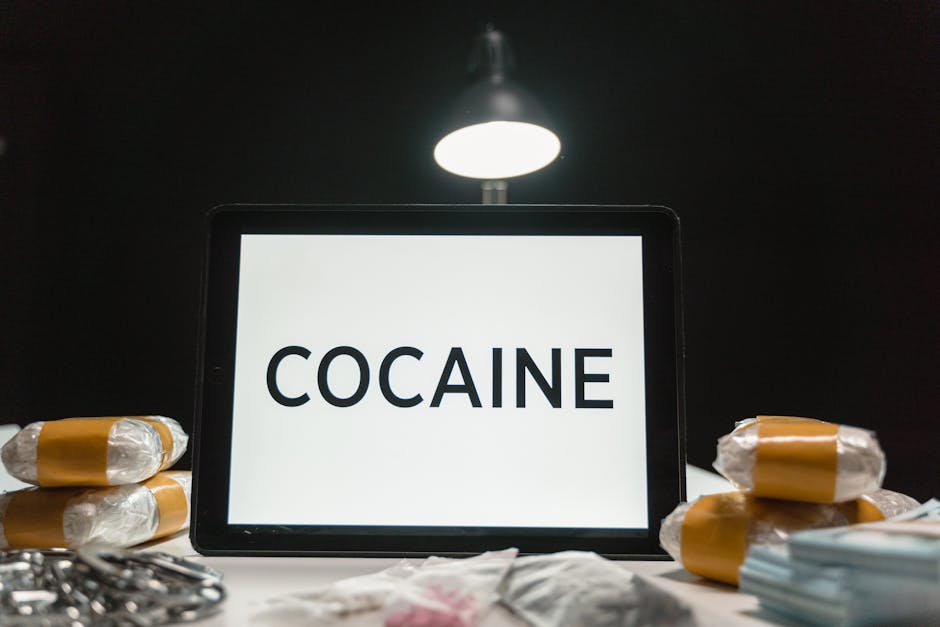
- Australian authorities seized 49 pounds of cocaine hidden in Xerox printers, valued at over $9 million USD.
- The discovery highlights the growing use of everyday commercial goods to smuggle drugs worldwide.
- Transnational networks are increasingly using sophisticated methods to bypass border security.
- The bust could have supplied tens of thousands of doses across major Australian cities.
- Law enforcement agencies worldwide have seen a rise in exploiting legitimate trade channels for narcotics trafficking.
In a dramatic escalation of drug smuggling ingenuity, Australian authorities intercepted nearly 49 pounds (22.2 kilograms) of high-purity cocaine concealed within the internal components of industrial Xerox printers—drugs with an estimated street value exceeding $9 million USD. The discovery, made at the Port of Melbourne in early March, represents one of the largest single cocaine seizures in Australia’s history and highlights the increasingly sophisticated methods employed by transnational criminal networks to bypass border security. According to the Australian Federal Police (AFP), the printers were shipped from Santiago, Chile, routed through Singapore, and declared as commercial office equipment, a common tactic used to mask illicit cargo. The sheer volume of the haul, if distributed, could have supplied tens of thousands of doses across major urban centers including Sydney, Melbourne, and Brisbane, posing a significant public health and safety threat.
A Growing Threat in Global Smuggling Networks

This bust underscores a troubling trend in international narcotics trafficking: the use of everyday commercial goods as concealment devices. Over the past five years, law enforcement agencies worldwide have observed a marked rise in the exploitation of legitimate trade channels to smuggle drugs, with items like machinery parts, furniture, and electronics becoming common hiding spots. Australia, due to its geographic isolation and strict border controls, has long been a high-value target for drug cartels seeking premium prices. The $9 million valuation of this cocaine shipment reflects the premium markup seen in the Australian market, where supply constraints and high demand drive prices well above global averages. Experts warn that as detection methods improve, so too do the tactics of traffickers—turning ordinary office equipment into covert contraband carriers.
The Printer Smuggling Operation Unraveled

The investigation began when Australian Border Force (ABF) officials flagged a shipping container listed as carrying used Xerox photocopiers from Chile. Routine scanning at the port revealed anomalies in the weight distribution and internal structure of several units. Upon forensic examination, officers discovered that the printers’ internal fuser units and power supplies had been hollowed out and repacked with vacuum-sealed cocaine blocks. All 49 pounds were recovered intact, with purity levels tested at over 85%, indicating a direct link to high-grade South American production labs. The shipment had been routed through Singapore to obscure its origin, a common practice known as transshipment laundering. While no arrests have been made yet, investigators are tracing financial transactions and communications linked to the consignee company registered in Melbourne, believed to be a front operation.
Why This Method Is a Game-Changer for Traffickers

The use of Xerox printers as smuggling vehicles reflects a calculated shift toward low-suspicion cargo. Unlike vehicles or maritime vessels traditionally used in drug runs, industrial office equipment rarely raises red flags during customs screening, especially when documentation appears legitimate. According to a 2023 report by the United Nations Office on Drugs and Crime (UNODC), nearly 60% of cocaine intercepted in Asia-Pacific regions in the past two years was concealed in machinery or electronic goods. This method also allows traffickers to exploit global supply chains, leveraging third-party logistics and layered corporate registrations to obfuscate accountability. The $9 million value of this single shipment suggests a high return on investment, making such risks increasingly attractive to organized crime syndicates with access to engineering expertise and international logistics networks.
Implications for Australia’s Border Security and Public Health

The successful interception averted a potential surge in cocaine availability across Australian cities, where usage has already been on the rise. According to the Australian Institute of Health and Welfare, cocaine-related hospitalizations increased by 34% between 2017 and 2022. Had this shipment reached the streets, it could have exacerbated addiction rates, fueled violent competition among local drug gangs, and strained healthcare and law enforcement resources. Moreover, the incident exposes vulnerabilities in containerized freight inspection, particularly for non-targeted cargo. With over 6 million shipping containers entering Australia annually, only a fraction can be physically inspected, making intelligence-led operations critical. The ABF has since announced a review of risk-assessment protocols for high-risk trade corridors, particularly those involving South America and Southeast Asia.
Expert Perspectives
Dr. Sarah Thompson, a criminologist at the University of Melbourne specializing in transnational crime, noted, “This case illustrates the industrialization of drug smuggling—where trafficking organizations operate like multinational corporations, complete with R&D divisions for concealment techniques.” Conversely, former customs official Mark Delaney cautions against overestimating the novelty: “We’ve seen drugs in everything from surfboards to coffee beans. The method evolves, but the pattern remains: exploit the mundane.” Both agree, however, that interagency cooperation and data sharing between countries like Chile, Singapore, and Australia are essential to disrupting these networks before shipments leave port.
Going forward, authorities will be watching for similar attempts using recycled electronics or dual-use machinery, particularly from high-risk export zones. The unresolved question remains: how many such shipments evade detection? With cartels constantly adapting, the race between innovation and interdiction is intensifying—one that will require not just better technology, but deeper international collaboration to win.
Source: Ars Technica