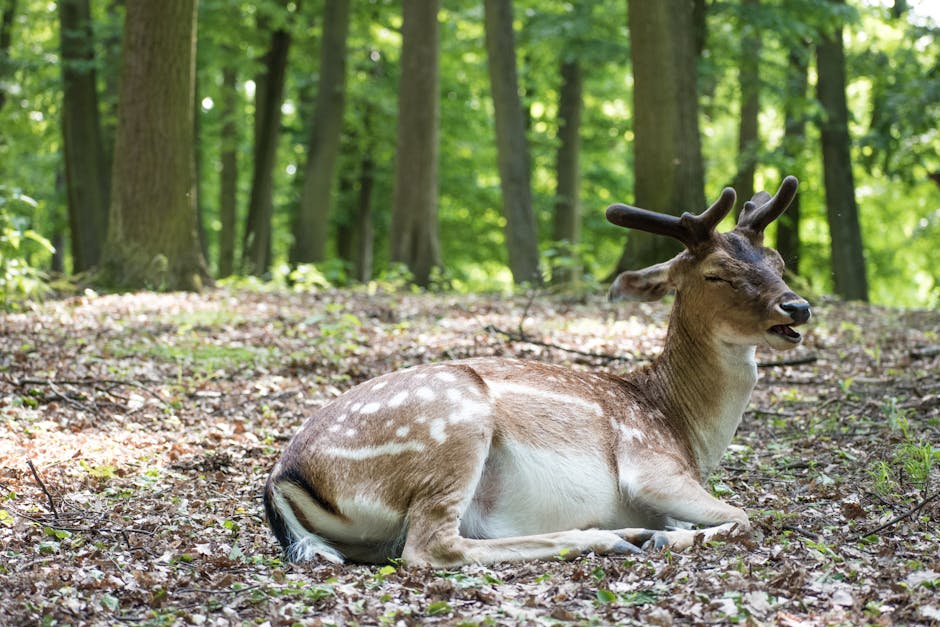
- Wild deer in French forests are at risk of becoming intoxicated after consuming fermented apples and pears.
- The natural fermentation process can reach alcohol levels of 1-4% ABV, affecting small mammals.
- Deer with impaired coordination are more likely to be involved in accidents with motorists.
- The phenomenon is seasonal, typically occurring during late autumn months in regions with abundant fruit orchards.
- Experts emphasize the real-world risks associated with this documented biological occurrence.
Why are French drivers being told to watch out for drunk deer? In the rolling hills of Saône-et-Loire, a rural department in central-eastern France, local authorities have issued an unusual alert: wild deer, after consuming fermented apples and pears fallen from orchards, may be stumbling across roads with impaired coordination. This seasonal phenomenon, though not new, has gained renewed attention after several close calls between motorists and disoriented animals. The police warning, shared widely on social media, underscores a peculiar intersection of nature, fermentation, and road safety. As autumn sets in and fruit rots on the ground, the natural alcohol content in these foods can reach levels capable of intoxicating animals with no tolerance for ethanol. What sounds like a scene from a fable, experts say, is a documented biological occurrence with real-world risks.
What Causes Deer to Become Intoxicated in the Wild?

Deer become intoxicated by eating overripe or fermented fruit that has begun to naturally ferment on the ground, producing ethanol through yeast activity. In regions like Saône-et-Loire, where apple and pear orchards are abundant, fallen fruit accumulates in forests and along forest edges during the late autumn months. As this fruit decomposes, microbes convert sugars into alcohol, sometimes reaching concentrations of 1% to 4% ABV—enough to affect small to medium-sized mammals. The French National Office for Hunting and Wildlife (ONCFS) confirms that such incidents occur periodically, particularly in areas with high fruit tree density and overlapping wildlife habitats. While not all animals react the same way, some deer have been observed exhibiting signs of inebriation, including loss of balance, sluggish movement, and erratic behavior. The police advisory specifically warns drivers to reduce speed, especially at dawn and dusk when deer are most active and visibility is low.
Scientific Evidence of Animal Intoxication in Nature

There is documented evidence of animals across the world consuming fermented substances and displaying altered behavior. A 2008 study published in Nature examined the effects of fermented fruit on the behavior of Swedish moose, another cervid species, noting instances of animals appearing “drunk” after eating rotting apples. Similarly, elephants in Africa have long been mythologized for seeking out fermented marula fruit, though scientists debate the extent of intoxication due to their large body mass. In France, wildlife biologists point to occasional reports of birds, particularly waxwings and starlings, becoming disoriented after eating fermented berries. These cases, while often anecdotal, are supported by physiological understanding: mammals metabolize alcohol similarly, and smaller or non-adapted species lack the liver enzymes to process ethanol efficiently. The BBC previously reported on similar warnings in Germany and Finland, suggesting this is a recurring, if underreported, natural phenomenon across temperate Europe.
Skeptics Question the Scale and Interpretation of the Phenomenon

While the idea of drunk deer captures public imagination, some scientists caution against overinterpreting animal behavior. Dr. Lucile Turc, a behavioral ecologist at the University of Lyon, notes that what appears to be intoxication may in fact be symptoms of illness, injury, or disorientation from other causes such as parasites or neurological conditions. “Animals stumbling in the wild are not necessarily drunk,” she said in a recent interview. “We must avoid anthropomorphizing natural behaviors.” Others argue that media coverage amplifies isolated incidents into trends, potentially skewing public perception. Additionally, the actual blood alcohol content of wild deer is rarely measured, making definitive claims about intoxication speculative. That said, there is consensus that fermented fruit can and does affect wildlife, and whether or not animals are fully “drunk,” the outcome—unpredictable movement near roads—poses a genuine hazard. The police warning, while framed colorfully, serves a practical safety function regardless of the exact biological mechanism.
Real-World Consequences for Drivers and Wildlife

The implications of erratic animal behavior are serious, especially in rural areas where roads cut through forested zones. In Saône-et-Loire, collisions between vehicles and deer already number in the dozens annually, according to regional transportation data. Any increase in unpredictable crossings raises the risk of accidents, which can result in injuries, fatalities, and costly vehicle damage. Local authorities have responded by installing additional warning signs and increasing patrols during high-risk hours. Beyond road safety, the phenomenon also highlights the subtle ways human land use—such as maintaining orchards and managing fruit waste—affects wildlife behavior. When people leave fallen fruit uncollected, they inadvertently create feeding zones that can alter natural foraging patterns and expose animals to substances they wouldn’t typically encounter in such concentrations. This interplay between agriculture, ecology, and public safety is becoming more visible as climate change extends growing seasons and alters fruit ripening cycles.
What This Means For You
If you’re driving through rural France—or similar temperate regions in autumn—be extra vigilant for wildlife, especially near orchards or wooded areas. Slow down during dawn and dusk, use high beams when safe, and heed local warnings, even if they sound unusual. The risk of collision with disoriented animals is real, regardless of whether they’ve been drinking fermented fruit. Understanding how natural processes can lead to unexpected dangers helps foster safer coexistence with wildlife.
Could climate change increase the frequency of such events by extending the fermentation season or altering animal diets? As temperatures rise and fruit ripening patterns shift, the window for natural fermentation may widen, potentially exposing more animals to intoxicating levels of ethanol. This raises broader questions about how subtle ecological changes can ripple into public safety concerns—a topic that may gain urgency in the decades ahead.
Source: The New York Times