- The UAE has escalated tensions with Iran by carrying out military strikes, marking a significant shift from relying on diplomacy.
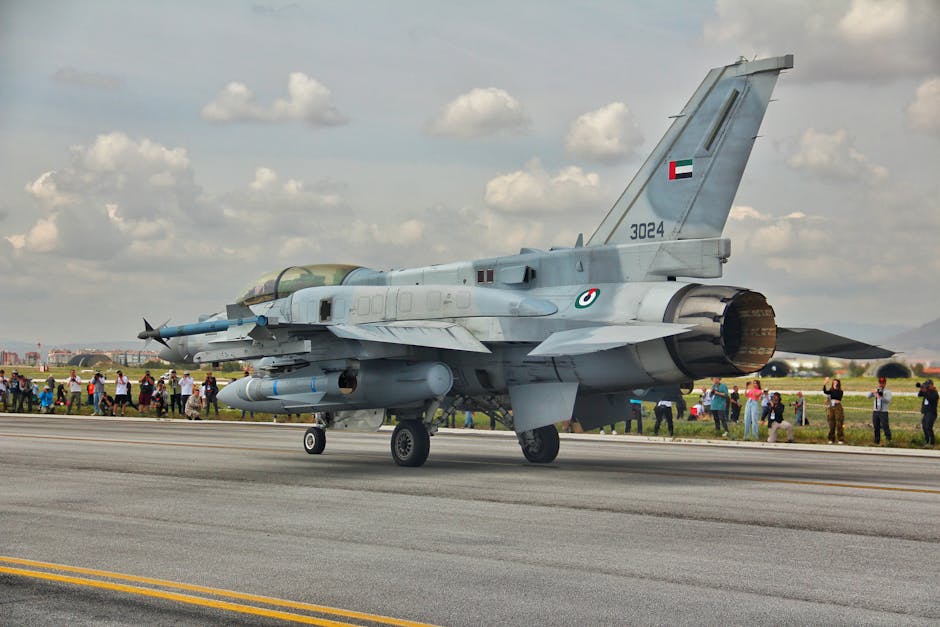
- The UAE’s military capabilities, including Western-made jet fighters and surveillance networks, have been used to target Iranian interests.
- The country’s growing influence in the Middle East and economic power are driving its willingness to use military force.
- The UAE’s military strikes on Iran have the potential to destabilize the entire region and further escalate tensions.
- The UAE’s actions demonstrate a clear shift in its approach to resolving differences with Iran, moving away from diplomacy.
The United Arab Emirates has carried out military strikes on Iran, its military is well-equipped with Western-made jet fighters and surveillance networks. And the attacks suggest the country is now more willing to use them to protect its economic power and growing influence across the Middle East. The UAE’s actions are a significant escalation in tensions between the two countries, and they have the potential to destabilize the entire region. The attacks are also a clear indication that the UAE is no longer willing to rely solely on diplomacy to resolve its differences with Iran.
Evidence of UAE’s Military Involvement

According to Reuters, the UAE has been using its advanced military capabilities to carry out strikes on Iranian targets. The country’s military is equipped with state-of-the-art jet fighters, including the F-16 and the Mirage 2000, as well as advanced surveillance networks. The UAE has also been investing heavily in its military capabilities in recent years, with a focus on developing its air power and surveillance capabilities. The evidence suggests that the UAE is now using these capabilities to carry out military strikes on Iran, in a significant escalation of tensions between the two countries.
Key Players and Their Roles

The UAE is not the only country involved in the escalating tensions with Iran. Other key players, including the United States and Saudi Arabia, are also playing important roles. The US has been providing military support to the UAE, including the sale of advanced jet fighters and surveillance equipment. Saudi Arabia, which has long been a rival of Iran, has also been supporting the UAE’s military actions. The Iranian government, on the other hand, has been responding to the UAE’s attacks with its own military actions, including the launch of missiles at UAE targets. The situation is complex and multifaceted, with multiple countries and interests involved.
Trade-Offs and Consequences

The UAE’s decision to carry out military strikes on Iran has significant trade-offs and consequences. On the one hand, the attacks may help to protect the UAE’s economic interests and growing influence in the Middle East. On the other hand, they also risk destabilizing the entire region and escalating tensions with Iran. The attacks may also have significant consequences for the global economy, particularly if they lead to a disruption in oil supplies. The UAE must carefully weigh the potential benefits and risks of its actions, and consider the potential consequences for the region and the global economy.
Timing and Motivations

So why is the UAE carrying out military strikes on Iran now? One possible reason is that the country is seeking to protect its economic interests and growing influence in the Middle East. The UAE has been investing heavily in its military capabilities in recent years, and may feel that it now has the capability to carry out military strikes on Iran. The country may also be seeking to take advantage of the current instability in the region, particularly in the wake of the US withdrawal from the Iran nuclear deal. Whatever the motivations, the UAE’s actions are a significant escalation in tensions between the two countries, and they have the potential to destabilize the entire region.
Where We Go From Here
Looking ahead to the next 6-12 months, there are several possible scenarios for the conflict between the UAE and Iran. One possible scenario is that the conflict will continue to escalate, with both countries carrying out military strikes on each other’s targets. Another possible scenario is that the conflict will be contained, with both countries agreeing to a ceasefire or a negotiated settlement. A third possible scenario is that the conflict will spread to other countries in the region, including Saudi Arabia and the United States. Whatever the scenario, the conflict between the UAE and Iran has the potential to destabilize the entire region and have significant consequences for the global economy.
In conclusion, the UAE’s decision to carry out military strikes on Iran is a significant escalation in tensions between the two countries, and it has the potential to destabilize the entire region. The UAE must carefully weigh the potential benefits and risks of its actions, and consider the potential consequences for the region and the global economy. As the situation continues to unfold, it is clear that the conflict between the UAE and Iran will be a major issue to watch in the coming months.
Source: Wsj