- Social workers in England are struggling to find suitable placements for vulnerable children, leading to a rise in unregulated care settings.
- The current foster care system is overstretched, with residential homes and private providers unable to meet demand.
- Social workers are forced to break the law by placing children in unregistered settings that may not meet their needs.
- The crisis is putting pressure on the system, with many children being placed in unlicensed and unmonitored accommodations.
- The situation is not unique, with many social workers facing impossible decisions due to systemic failures.
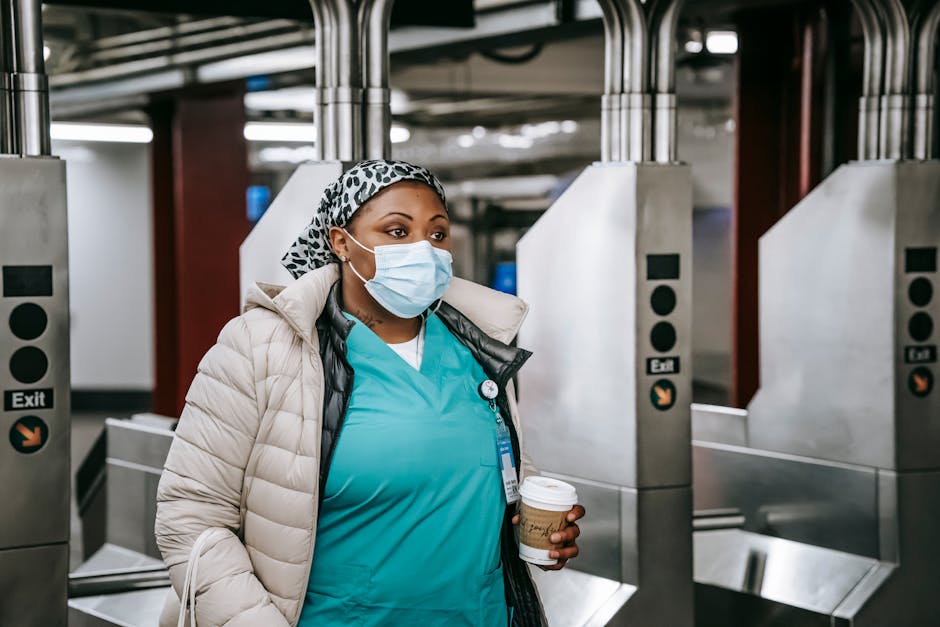
The streets are empty, the offices are closed, and the clock is ticking. For social workers like Anna*, the sinking feeling of Friday afternoon is all too familiar. With a vulnerable child in her care and no suitable placement in sight, the pressure is mounting. Despite days of frantic phone calls, countless emails, and desperate pleas, the options are dwindling. The foster care system is overstretched, the residential homes are full, and the private providers are reluctant to take on high-needs children. As the hours tick by, Anna is faced with an impossible decision: leave the child in limbo or place them in an unregistered setting, risking her career and the child’s well-being.
The Current Crisis

The situation Anna finds herself in is not unique. Social workers across England are struggling to find suitable placements for vulnerable children, leading to a sharp rise in unregulated social care settings. According to recent reports, the number of children in unregistered settings has increased significantly, with many being placed in unlicensed and unmonitored accommodations. The crisis is putting pressure on the system, leaving social workers with no choice but to break the law and place children in settings that may not meet their needs. A recent investigation has highlighted the issue, prompting calls for urgent action from ministers.
A History of Neglect

The roots of the crisis stretch back decades, with a history of neglect and underfunding of the social care system. Successive governments have failed to address the issue, despite repeated warnings from experts and practitioners. The result is a system that is overstretched, underresourced, and unable to cope with the demand for placements. The introduction of austerity measures in 2010 further exacerbated the problem, leading to a reduction in funding for social services and a decline in the number of foster carers and residential homes. As the system has struggled to keep up, the number of children in care has continued to rise, placing additional pressure on an already broken system.
The Human Cost

Behind the statistics and the headlines, there are real people struggling to make a difference. Social workers like Anna are dedicated professionals, driven by a desire to help vulnerable children and young people. However, they are being let down by a system that is failing to provide the support and resources they need. The human cost of the crisis is evident in the stories of children who have been let down, those who have been placed in unsuitable settings, and those who have suffered as a result. The motivations of social workers are clear: they want to provide the best possible care for the children they work with, but they are being forced to compromise due to the lack of options.
Consequences and Concerns

The consequences of the crisis are far-reaching and devastating. Children who are placed in unregistered settings are at risk of abuse, neglect, and exploitation. They may not receive the support and care they need, and their well-being may be compromised. The concerns are not just about the children; they are also about the social workers who are being forced to break the law. The pressure and stress of the job are taking a toll on their mental health, and the risk of burnout is high. As the crisis deepens, the stakes are rising, and the need for urgent action has never been more pressing.
The Bigger Picture
The crisis in social care is not just about the children or the social workers; it is about the kind of society we want to be. It is about our values and our priorities. Do we value the most vulnerable members of our society, or do we neglect them? The answer to this question will determine the kind of world we create for future generations. As we struggle to find solutions to the crisis, we must remember that the children in care are not just statistics or headlines; they are human beings who deserve our care, our compassion, and our protection.
As the clock ticks on, Anna and her colleagues will continue to fight for the children they care about. They will continue to push for change, to advocate for more resources, and to demand a better system. The struggle will be long and hard, but it is a struggle worth fighting. For the sake of the children, for the sake of the social workers, and for the sake of our society, we must do better. We must create a system that values and supports the most vulnerable members of our community, a system that provides hope, care, and protection to those who need it most.
Source: The Guardian