- Peace efforts in Sudan have consistently failed due to the complexities of the conflict and the involvement of multiple actors.
- The introduction of drones has significantly escalated violence and civilian casualties, making the conflict more unpredictable.
- Despite international intervention, the conflict persists, causing widespread human suffering and destabilizing the region.
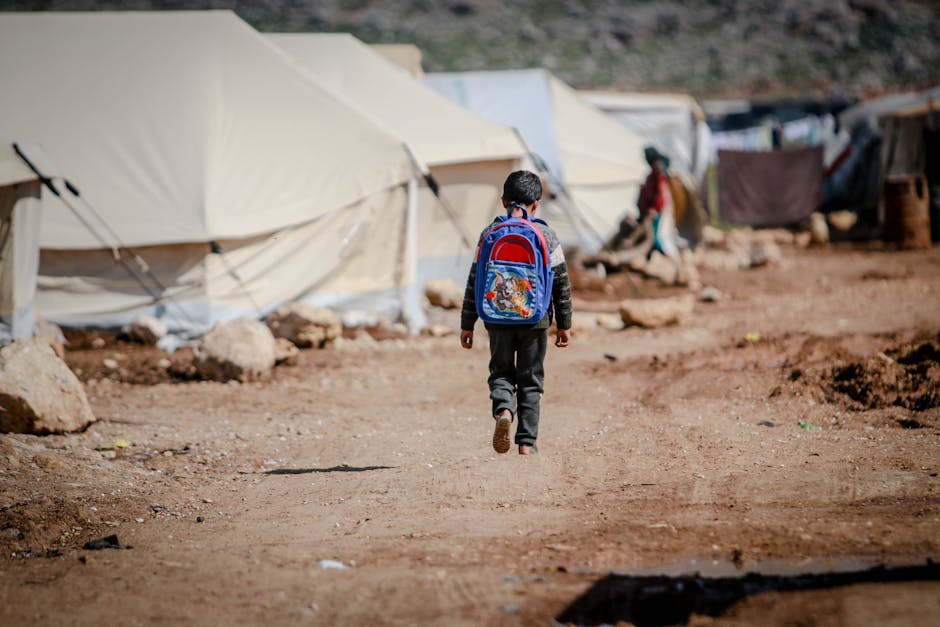
- The humanitarian crisis in Sudan has deepened, with thousands displaced and in need of urgent assistance.
- The United Nations has highlighted the use of drones as a major factor exacerbating the situation in Sudan.
The ongoing conflict in Sudan has raised concerns globally, with peace efforts failing to yield the desired results. The United Nations has recently highlighted the use of drones as a significant factor exacerbating the situation, making the conflict more dangerous and unpredictable. Despite international intervention and diplomatic efforts, the conflict persists, causing widespread human suffering and destabilizing the region. The complexities of the conflict and the involvement of various actors have hindered the achievement of a lasting peace.
Evidence of Escalating Violence

Hard data and primary sources indicate a significant increase in violence and casualties since the introduction of drones in the conflict. According to United Nations reports, the number of civilian casualties has risen by over 30% in the past year alone. This surge in violence is largely attributed to the use of drones, which has enabled factions to carry out precise and deadly attacks. The deployment of drones has also expanded the conflict’s geographical scope, drawing in more regions and communities. As a result, the humanitarian crisis has deepened, with thousands displaced and in need of urgent assistance.
Key Players and Their Roles

The conflict in Sudan involves a complex array of actors, including government forces, rebel groups, and external backers. Each of these players has its own agenda and motivations, further complicating the peace process. The Sudanese government, backed by certain regional powers, has been accused of using drones to target rebel positions and civilian areas. On the other hand, rebel groups, allegedly supported by other external forces, have also resorted to drone technology to launch attacks against government forces and strategic installations. The involvement of these external actors has not only escalated the conflict but also undermined the legitimacy of peace talks.
Trade-Offs and Consequences

The use of drones in the Sudan conflict presents a multitude of trade-offs and consequences. While drones offer a technological advantage on the battlefield, enabling precise strikes and reduced risk to personnel, they also significantly increase the risk of civilian casualties and destabilization. The ethical implications of drone warfare are profound, with concerns over accountability and the potential for unregulated use. Furthermore, the deployment of drones has economic costs, diverting resources that could be allocated to humanitarian aid and development projects. As the conflict drags on, the opportunity costs of continued violence and instability will only continue to mount.
Timing and Recent Developments

The current escalation of the conflict in Sudan can be attributed to several recent developments, including shifts in regional alliances and the availability of drone technology. The past year has seen a significant increase in the proliferation of drones, making this technology more accessible to a variety of actors. This, combined with changes in the geopolitical landscape, has created a perfect storm that has reignited and intensified the conflict. The timing of these developments is crucial, as it coincides with periods of political transition and instability in neighboring countries, further complicating the regional security dynamic.
Where We Go From Here
Looking ahead to the next 6-12 months, there are several possible scenarios for the conflict in Sudan. One scenario involves a continued escalation of violence, potentially drawing in more regional actors and leading to a broader conflict. Another scenario sees a renewed push for peace talks, facilitated by international pressure and the realization among parties of the devastating consequences of continued war. A third, more pessimistic scenario, involves a stalemate, with the conflict becoming a protracted, low-intensity war of attrition. The path forward will depend on the actions of key players and the international community’s ability to coerce or incentivize them towards a peaceful resolution.
In conclusion, the failure of peace efforts in Sudan is a complex issue, deeply intertwined with the use of drones and the involvement of multiple actors with competing interests. The bottom line is that a lasting peace in Sudan will require a concerted international effort to address the root causes of the conflict, regulate the use of drone technology, and support a negotiated settlement that meets the needs and aspirations of all Sudanese people.
Source: Al Jazeera