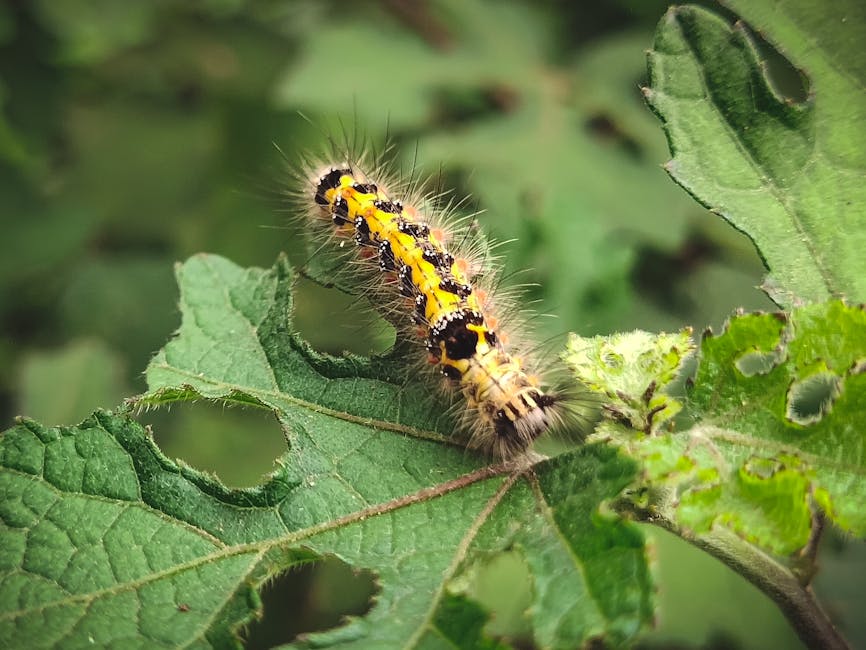
- Caterpillar webs are harmless to humans and the environment.
- These webs serve as a protective mechanism for caterpillars against predators.
- Caterpillars of the small eggar moth are responsible for creating these intricate webs.
- The webs allow caterpillars to feed and grow safely.
- Caterpillar webs are a natural and essential part of the ecosystem.
As people stroll through their local parks, they may come across large, intricate webs covering trees and shrubs, leaving many to wonder if these webs pose a threat to humans. The webs, often referred to as “tent-like” structures, can be alarming at first glance, sparking concerns about potential infestations or dangers. However, experts from Butterfly Conservation have reassured the public that these webs are, in fact, harmless and serve a vital purpose in the ecosystem.
Understanding Caterpillar Webs

According to Butterfly Conservation, the webs are created by caterpillars, specifically those of the small eggar moth, as a protective mechanism against predators. The caterpillars spin these complex webs to shield themselves from birds, spiders, and other insects that might see them as prey. While the effect of the webs can look alarming, with their dense, white threads covering large areas, they are an essential part of the caterpillars’ survival strategy, allowing them to feed and grow safely.
Evidence from Nature Conservation

Butterfly Conservation and other nature conservation organizations have studied these webs and their impact on the environment. Dr. Richard Fox, from Butterfly Conservation, notes that “these webs are a natural part of the ecosystem and do not cause any harm to humans or the environment.” In fact, the presence of these webs can be seen as an indicator of a healthy, biodiverse ecosystem. As reported by BBC News, conservation efforts are underway to protect and preserve these natural habitats, ensuring the long-term survival of species like the small eggar moth.
Addressing Concerns and Counter-Perspectives

Some individuals may still express concerns about the webs, citing potential allergic reactions or the unsightly appearance of the webs. However, experts argue that these concerns are largely unfounded. The caterpillars and their webs do not pose any significant health risks to humans, and their presence is typically seasonal, with the webs disappearing as the caterpillars pupate and emerge as moths. Additionally, the benefits of preserving these natural habitats and the species that inhabit them far outweigh any perceived drawbacks, highlighting the importance of balancing human interests with environmental conservation.
Real-World Impact of Caterpillar Webs

The presence of caterpillar webs in parks has real-world implications for conservation and ecosystem management. By recognizing the importance of these webs and the species they support, park managers and conservationists can develop more effective strategies for preserving biodiversity. This might involve creating protected areas for the caterpillars to feed and grow, or implementing measures to reduce the impact of human activity on these delicate ecosystems. As noted by Nature, such efforts can have a significant positive impact on the health of local ecosystems and the species that depend on them.
What This Means For You
For the average person, the presence of caterpillar webs in parks should not be a cause for concern. Instead, it can be seen as an opportunity to learn about and appreciate the natural world. By understanding the importance of these webs and the species they support, individuals can develop a greater appreciation for the complex ecosystems that exist in their local parks and green spaces. This, in turn, can foster a sense of responsibility and stewardship for the environment, encouraging people to take action to protect and preserve these valuable natural resources.
As we continue to learn more about the natural world and our place within it, questions remain about how best to balance human interests with environmental conservation. What role can individual actions play in preserving biodiversity, and how can we work together to protect and preserve the delicate ecosystems that support species like the small eggar moth? These are questions that will continue to be explored and debated, highlighting the ongoing importance of environmental conservation and education.
Source: BBC