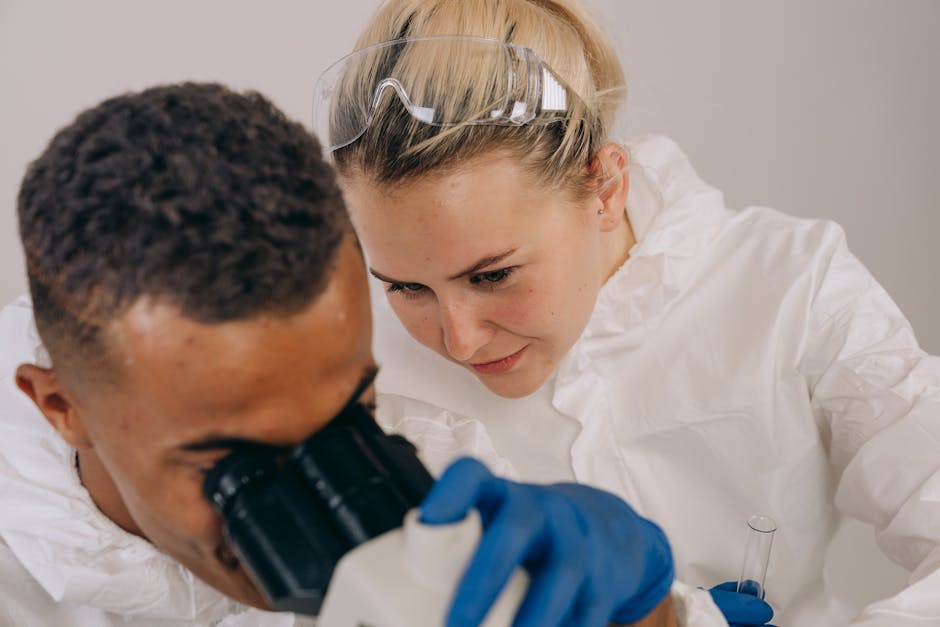
- Researchers at the University of British Columbia discovered 27 new compounds in cannabis leaves using high-resolution mass spectrometry and nuclear magnetic resonance imaging.
- These new compounds include flavoalkaloids, which combine features of flavonoids and alkaloids, offering antioxidant, anti-inflammatory, and neuroprotective effects.
- The compounds were found almost exclusively in the leaf material, not the flowers, challenging the conventional understanding of cannabis plant valuation.
- The discovery has the potential to shift the paradigm for utilizing the cannabis plant, particularly its often-discarded leaves.
- The study, published in Nature Plants, demonstrates the importance of reevaluating the cannabis plant’s unexplored parts for therapeutic benefits.
In a quiet laboratory at the University of British Columbia, rows of cannabis leaves sat under soft LED light, their serrated edges casting delicate shadows across sterile workbenches. These were not the prized flower buds sought by dispensaries or recreational users, but the overlooked foliage typically discarded during harvest. Yet within these unassuming leaves, a team of phytochemists was uncovering a hidden universe of molecular complexity. Using high-resolution mass spectrometry and nuclear magnetic resonance imaging, they began isolating compounds that didn’t match any known profiles in scientific databases. What emerged was not just a catalog of new molecules, but a potential paradigm shift in how we value and utilize the cannabis plant—especially its most neglected parts.
\n\n
New Compounds Revealed in Leaf Tissue

\n
Published in the journal Nature Plants, the study details the discovery of 27 previously undocumented chemical compounds in the leaves of six common cannabis strains, including OG Kush and Sour Diesel. Most striking was the identification of flavoalkaloids—hybrid molecules that combine features of flavonoids and alkaloids, two well-studied classes of plant metabolites associated with antioxidant, anti-inflammatory, and neuroprotective effects. Until now, flavoalkaloids had never been confirmed in Cannabis sativa. The researchers found these compounds concentrated almost exclusively in the leaf material, not the flowers, challenging the long-held assumption that cannabinoids like THC and CBD are the plant’s only medicinally relevant chemicals. Further analysis revealed significant variation in compound profiles between strains, suggesting a genetic basis for these chemical differences and opening doors for targeted breeding programs. The findings underscore that cannabis may harbor far more pharmaceutical potential than previously imagined—especially in parts of the plant routinely treated as waste.
\n\n
The Hidden Chemistry of a Stigmatized Plant

\n
For decades, cannabis research was stifled by legal restrictions and cultural stigma, limiting scientific inquiry to its psychoactive properties. Early studies focused overwhelmingly on Δ9-tetrahydrocannabinol (THC), the compound responsible for the plant’s intoxicating effects, while later attention shifted to cannabidiol (CBD) for its non-psychoactive therapeutic promise. But this narrow focus obscured the plant’s broader biochemical landscape. Only in the last decade, as legalization spread across Canada, parts of the U.S., and several European countries, have researchers gained the access and funding needed to explore cannabis more comprehensively. Advances in analytical chemistry—such as liquid chromatography-tandem mass spectrometry (LC-MS/MS)—have made it possible to detect trace compounds at unprecedented resolution. This new study builds on earlier work that identified rare cannabinoids like CBG and THCV, but goes further by mapping an entire secondary metabolome in leaf tissue, revealing a level of chemical sophistication comparable to that of medicinal powerhouses like Cinchona or Camellia sinensis.
\n\n
The Scientists Behind the Discovery

\n
The research was led by Dr. Lena Moretti, a natural products chemist whose lab has spent over a decade decoding plant metabolomes. “We started asking: what if the leaves aren’t just structural support?” she said in an interview with Nature. “What if they’re chemical factories in their own right?” Her team collaborated with growers in British Columbia who provided organically cultivated plants, ensuring minimal chemical interference. Driven by a blend of scientific curiosity and sustainable ethos, the researchers sought to maximize the utility of every part of the plant. “Cannabis agriculture produces massive amounts of leaf waste,” explained postdoctoral fellow Amir Chenari, who developed the extraction protocol. “If these flavoalkaloids show bioactivity, we could turn a disposal problem into a pharmaceutical resource.” Their motivation extends beyond profit—it’s about redefining value in a plant long reduced to its highs and headlines.
\n\n
Implications for Medicine and Agriculture

\n
The discovery could have wide-ranging consequences. From a medical standpoint, flavoalkaloids have shown preliminary antioxidant and anti-inflammatory activity in cellular models, raising the possibility of new treatments for neurodegenerative diseases like Parkinson’s or chronic inflammatory conditions. Because these compounds are non-psychoactive, they may avoid the regulatory hurdles that complicate THC-based therapies. For cultivators, the findings suggest economic opportunities in upcycling leaf biomass into high-value extracts, reducing waste and environmental impact. Pharmaceutical companies are already expressing interest; early licensing talks are underway with biotech firms specializing in natural product drug discovery. Meanwhile, policymakers may need to reconsider cultivation regulations to encourage full-plant utilization, especially as pressure grows for more sustainable cannabis practices in an industry often criticized for its carbon footprint.
\n\n
The Bigger Picture
\n
This discovery is a reminder that nature’s pharmacy is still far from fully mapped. Plants have evolved intricate chemical defenses and signaling systems over millions of years—systems we are only beginning to decode. The cannabis plant, in particular, has been both mythologized and marginalized, its complexity flattened by prohibition and pop culture. Now, as science catches up, we’re learning that its value extends far beyond recreation or even mainstream medicine. Every leaf, stem, and root may hold clues to new therapies, sustainable materials, or ecological insights. The flavoalkaloids in cannabis are not just molecules—they are symbols of a deeper truth: that what we discard may be exactly what we need.
\n\n
What comes next is a new chapter in cannabis science—one focused not on intoxication, but on innovation. The research team plans to isolate individual flavoalkaloids and test them in preclinical models for neurological and autoimmune applications. If successful, these compounds could enter drug development pipelines within the next five years. Meanwhile, the study serves as a call to reexamine other so-called waste streams in agriculture, from citrus peels to coffee pulp, where similar discoveries may lie hidden. In the end, the future of medicine might not come from a lab-synthesized molecule, but from a leaf we were too quick to throw away.
Source: ScienceDaily