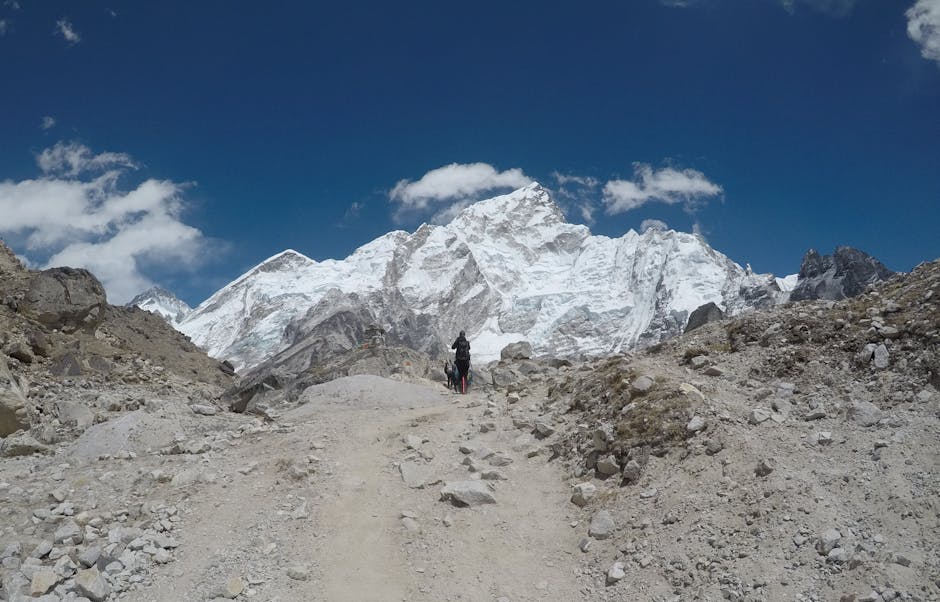
- Nearly 1,000 climbers are attempting to scale Mount Everest this season, raising safety concerns due to increased risk of accidents and fatalities.
- A record 371 permits have been issued by the Nepalese government, with the average cost of a permit being around $11,000.
- The influx of climbers has put a strain on Mount Everest’s infrastructure, raising concerns about environmental impact and accidents.
- Eleven climbers died attempting to reach the summit in 2019, highlighting the dangers of overcrowding on the mountain.
- The Nepalese government, guiding companies, and climbers all play crucial roles in the Everest climbing season.
Executive summary: The climbing season for Mount Everest is underway, with nearly 1,000 climbers attempting to scale the peak in the coming weeks. This surge in climbers has raised significant safety concerns, as the risk of accidents and fatalities increases with the number of people on the mountain. As climbers navigate the challenging terrain, they must also contend with a giant chunk of ice that has broken off from the glacier, adding an extra layer of complexity to their ascent.
Evidence of Overcrowding

Hard data suggests that the number of climbers on Mount Everest is reaching unprecedented levels, with the Nepalese government issuing a record 371 permits to climb the mountain this season. According to reports, the average cost of a permit is around $11,000, making it a lucrative business for the government. However, this influx of climbers has put a strain on the mountain’s infrastructure, with concerns raised about the environmental impact and the risk of accidents. For example, in 2019, eleven climbers died attempting to reach the summit, highlighting the dangers of overcrowding on the mountain.
Key Players and Their Roles

The Nepalese government, guiding companies, and the climbers themselves all play a crucial role in the Everest climbing season. The government is responsible for issuing permits and regulating the climbing industry, while guiding companies provide essential support and services to climbers. However, recent moves by the government to increase the number of permits issued have raised concerns among guiding companies and experienced climbers, who argue that the mountain is becoming too crowded and that safety is being compromised. Additionally, the health risks associated with high-altitude climbing are a significant concern, and climbers must take necessary precautions to minimize their risk of illness or injury.
Trade-Offs and Risks

The decision to climb Mount Everest is not one to be taken lightly, as it involves significant costs, benefits, and risks. On the one hand, reaching the summit of the world’s highest mountain can be a life-changing experience, offering breathtaking views and a sense of personal achievement. On the other hand, the risks are very real, and climbers must be aware of the potential costs, including the financial burden of a climbing expedition, the risk of injury or death, and the environmental impact of their actions. Furthermore, the environmental consequences of climbing Everest are a growing concern, with issues such as litter, human waste, and the degradation of the mountain’s ecosystem.
Timing and Why Now

The reason for the surge in climbers attempting to scale Mount Everest this season is largely due to the favorable weather conditions and the fact that the climbing season is relatively short. Typically, the best time to climb Everest is in May, when the weather is calm and the snow is stable. However, this narrow window of opportunity also means that climbers must be prepared to face the challenges of overcrowding, as everyone attempts to reach the summit at the same time. According to NASA, climate change is also having an impact on the mountain, with rising temperatures causing the glacier to melt and become more unstable.
Where We Go From Here
Looking ahead to the next 6-12 months, there are several possible scenarios for the future of climbing on Mount Everest. One scenario is that the Nepalese government will take steps to limit the number of permits issued, in an effort to reduce overcrowding and improve safety. Another scenario is that guiding companies will begin to offer more sustainable and environmentally-friendly climbing options, in response to growing concerns about the impact of climbing on the mountain. A third scenario is that the climbing season will be disrupted by adverse weather conditions or other external factors, forcing climbers to adapt and respond to changing circumstances.
Bottom line: As the climbing season for Mount Everest gets underway, it is clear that the safety concerns and environmental risks associated with climbing the mountain must be taken seriously, and that all stakeholders, including the government, guiding companies, and climbers themselves, must work together to ensure that the mountain is protected for future generations.
Source: BBC